Getting the best results from affiliate marketing often comes down to the landing pages you use. A sharp, well-optimized landing page can make the difference between a visitor clicking that affiliate link or bouncing away. Whether you’re just starting or already a few campaigns in, learning how to tweak those pages will pay off over time. Here’s everything I do to build landing pages that actually convert for affiliate offers.
Why Landing Page Optimization Matters in Affiliate Marketing
A good landing page acts like a friendly welcome mat, greeting visitors while guiding them toward a specific action—like clicking your affiliate link, signing up for a trial, or making a purchase. Without a focused landing page, it’s really easy for visitors to get lost, distracted, or confused. This is even more true when you’re pushing traffic from ads, social media, or email campaigns. Having a clear page that matches what they expect and gives them all they need to take action will seriously bump up your conversion rates.
Reports from HubSpot and other marketing leaders show that companies with optimized landing pages see more leads, more sales, and higher commissions. Competition in affiliate marketing is always growing, so dialing in your pages helps you keep up, stay sharp, and stand out.
First Steps: Understanding the Role of Landing Pages
Landing pages are singlefocused web pages built for one thing: getting visitors to take a specific action. Unlike blog posts or homepages, these pages cut out distractions and zero in on what you want users to do next, like click your affiliate offer. Plenty of types work for affiliate marketing, from review pages and product comparisons to special deals or bonus offers. Here’s a quick breakdown of the most common:
- Review Landing Pages: Share your real experience with a product, add images or demo videos, and explain who will benefit from it.
- Comparison Pages: Line up several products side by side to help readers figure out which one fits their needs best.
- Bonus Offer Pages: Sweeten the deal with an exclusive bonus if people buy through your affiliate link, like free guides or extra tips.
- Lead Capture Pages: Grab visitors’ emails in exchange for a report or special deal before sending them to your affiliate link.
Landing pages don’t just sell, they help build trust and guide people to take action without overwhelming them. Having one single goal makes everything clearer for the visitor, which helps keep conversion rates healthy.
Core Elements of a High-Converting Affiliate Landing Page
There are a few ingredients every good landing page shares. Based on my experience, these are the ones that deliver honestly impressive results:
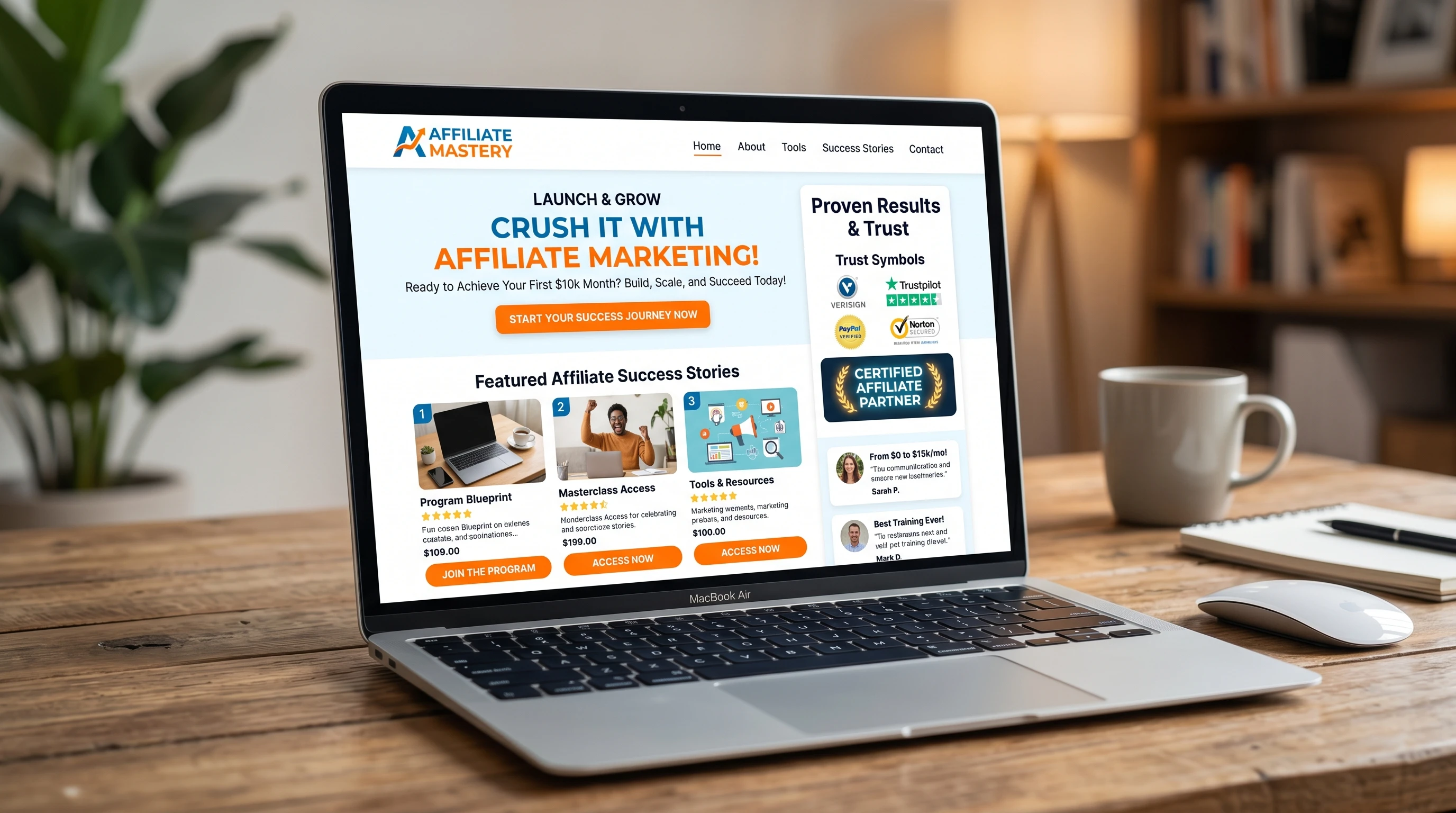
- Headline that Hits the Mark: Your headline has to grab attention right away and make it clear what the visitor will get out of the page. It’s usually smart to match your headline to the traffic source or ad copy so visitors feel like they landed in the right spot.
- Sharp Images and Visuals: Product shots, screenshots, or simple graphics help explain what you’re promoting, especially if people have never seen it before. Fastloading images keep things snappy for both desktop and mobile.
- Clear CalltoAction (CTA) Buttons: Big, bold buttons that spell out what happens next, like “Get My Free Trial” or “See the Deal.” Don’t leave people guessing!
- Trust Signals and Social Proof: Ratings, reviews, testimonials, or trust badges (like security logos) calm buyers’ nerves and give social reassurance.
- Concise, Persuasive Copy: Explain benefits fast. Focus on what the offer does for the visitor. Short paragraphs, bullet points, and bold key info work here.
- Mobile Optimization: More than half of people browse on smartphones. Make sure your landing page looks good and is easy to use on mobile devices. No endless scrolling or tiny text.
Combining these core elements will help you keep visitors focused and pointed in the right direction. The more tailored your copy and visuals, the more likely people are to stick around and click your affiliate links.
Quick Wins for Boosting Affiliate Landing Page Performance
While there’s no magic formula, I’ve found some easy changes that move the needle for most landing pages. Here are my triedandtrue quick fixes:
- Speed Things Up: Use compressed images, keep scripts light, and avoid slow plugins. Google’s PageSpeed Insights can point out bottlenecks if you’re stuck.
- Match Your Offer and Page: If your ad is promoting a 30% discount, the landing page should lead with that exact message. Switching up expectations makes users bounce fast.
- Cut the Clutter: Remove extra menus, random sidebars, or anything that distracts from your CTA.
- Add User Reviews: A photo and a onesentence testimonial work wonders for credibility.
- Use ExitIntent Popups: Offer a bonus or ask for an email before a user leaves. Sometimes this last nudge grabs a commission you might’ve missed.
It’s surprising how much these small tweaks can give a boost to your page’s results. You don’t need to completely redo your site to see improvements.
What to Watch Out For: Common Landing Page Pitfalls
Mistakes can happen, even to experienced marketers. Here are some missteps that are pretty common in affiliate landing pages, plus how to avoid them:
- Overly Aggressive Hype: Hypefilled, unrealistic promises make most visitors suspicious. Stick to real product benefits and your true opinions if you’ve tried the product yourself.
- Weak or Missing CTAs: People need clear instructions. Weak CTAs like “Learn More” won’t drive as many clicks as direct ones like “Claim My Discount.”
- Not Building Trust: Skipping trust elements or failing to disclose affiliate relationships can make you look shady. Regulations require disclosure. Even a line like “I may earn a commission if you purchase via my link” goes a long way with readers.
- Neglecting Mobile: Pages that aren’t mobilefriendly drive away a huge chunk of visitors. Always check how your site works on a phone.
- Forgetting AB Tests: Guesswork rarely beats testing. Even a simple headline or button color split test can uncover what your audience prefers.
Page Load Speed
Slow landing pages kill conversions. I always keep image sizes small, limit thirdparty widgets, and use a solid web host. Just a few seconds of delay can cause visitors to drop, especially on mobile devices rushing through bad WiFi. If you want, tools like GTMetrix and Pingdom can show you exactly where things slow down and offer fixes. A little technical effort here gives a nice pay-off with faster loading and more sales.
Writing Honest, Relatable Copy
Copywriting for affiliate landing pages is about relating to your reader. I try to use the same words and tone my target audience uses, describing real problems the product helps with. Including personal experience, if you have it, boosts your authority and makes things way more believable. Sprinkle in details—like how quickly a product solved your issue or small things you liked or didn’t like—so the audience trusts your opinion. It makes your landing page stand apart from generic pitches.
Making Your Landing Page Compliant and Trustworthy
It’s super important to stay transparent. Following FTC guidelines for affiliate disclosures and data privacy keeps your business legit and builds long-term trust with your visitors. I typically add a short disclosure at the top or right before the CTA. Trust badges, privacy seals, and reviews from real users can all help reassure potential buyers they’re in safe hands.
Next-Level Tactics for Serious Affiliate Conversions
Once your basics are handled, these strategies can bring your landing pages from decent to awesome:
Experiment with Video: Adding a short intro video or demo of the product boosts engagement and time on page. People love seeing products in action or hearing real stories. Even a quick phone video sharing your own review can make your page feel more personal.
Retargeting with Pixels: Including a Facebook or Google pixel lets you run follow-up ads to people who landed on your page but didn’t click. Super handy for high-ticket items or longer sales cycles. Setting up simple retargeting ads often brings back visitors who were interested but not quite ready to buy.
Use Scarcity and Urgency (Sparingly): Limited-time offers, countdown timers, or “only X spots left” can push fence-sitters to action. Use these sparingly and honestly, not as a false trick. If you really do have a limited bonus or a deal that will end soon, let people know in a way that feels genuine, not overhyped.
Segmented Landing Pages for Different Audiences: Tailoring your content and offers for various segments (age, location, interests) often increases conversions. Even small tweaks in messaging or images can make a difference. For example, showing different benefits to business owners compared to students, even for the same product, can connect you more deeply with your visitors.
Collect and Use Feedback: Adding a feedback widget or asking buyers for opinions lets you improve your page and even add real testimonials later. Sometimes a fresh perspective reveals small tweaks that lead to major results. Plus, user feedback can help you keep your content current and trustworthy.
Practical Examples of Optimized Affiliate Landing Pages
Putting this into practice, take these real-world uses as inspiration for your own affiliate landing pages:
- Tech Product Comparison: A table comparing earbuds features, specs, and price points, with affiliate links under each recommendation.
- Fitness Course Review: A walkthrough video showcasing the course dashboard, followed by a bulleted benefit list and a “Start Free Trial” CTA right below the video.
- Special Deal Email Capture: A minimal page with “Unlock 10% Off” at the top, a brief description, and an opt-in box that immediately delivers an affiliate discount code.
Think about how you can adapt these examples for your particular niche or audience. Even if you’re working with physical products, software, or digital courses, the same ideas apply. The point is to keep things focused, useful, and trustworthy.
Affiliate Landing Page FAQs
I get plenty of questions from new affiliate marketers about landing page optimization. Here are a few of the most common questions—and my straightforward answers:
Question: Do I need a landing page for every affiliate offer?
Answer: Not always, but having a dedicated page for high-value or hard-to-explain products almost always does better than sending traffic straight to the merchant site.
Question: What’s the best platform for building affiliate landing pages?
Answer: There are a bunch of options. I like WordPress with a page builder plugin (like Elementor), or for quick builds, tools like Leadpages or Unbounce are worth checking out.
Question: How do I know if a landing page is working?
Answer: Check conversion rates, click-throughs, and time on page. I run basic AB tests to compare different versions and see which grabs more affiliate clicks.
Getting Results with Optimized Affiliate Landing Pages
Landing pages play a really important role in turning attention into clicks and sales. Making small improvements, like a clearer headline, faster load times, or adding real user reviews, can seriously bump up your numbers. Shape each page to match the audience and offer, always stay transparent, and keep things simple for the best chance at affiliate marketing success. With a little bit of testing and tweaking, any affiliate can give a boost to their landing page game and see better returns. Time to roll up your sleeves and see what you can achieve with your next landing page! If you have any questions about what was discussed above I would be happy to discuss in the comments below.