Scaling an affiliate marketing business to six-figure monthly revenue didn’t happen overnight, and it definitely came along with some lessons that changed the way I approach just about every aspect of online marketing now. Whether you’re looking to ramp up your side hustle or dreaming of quitting your day job, understanding what really moves the needle is pretty important. I’m breaking down the lessons that made a difference for me, along with the practical tips I wish I’d known earlier.
What Makes Affiliate Marketing Scale: Getting the Core Pieces Right
Reaching six-figure monthly revenue in affiliate marketing didn’t come from chasing shortcuts. At its core, the business model stays simple: you promote products or services and get paid for successful referrals. How you execute and scale that is what separates low earners from high earners. Sharpening my focus on quality content, reliable traffic, and building trust set the foundation for real growth.
Affiliate marketing has evolved so much in the last few years. It’s not just about spamming links or picking random products. Serious money moves when you match the right audience with helpful, welltimed offers. The rising competition pushes everyone to step up their game, not just in content but in understanding what actually makes people take action.
Having the basics dialed in, like solid website tech, a reliable tracking setup, and strong offers, created a smoother ride. These core elements matter just as much as flashy tactics or the latest SEO hack. Companies are constantly adjusting their affiliate programs, so being able to pivot and optimize never stops.
Finding My Best Offers and Niches
Trying to promote every trendy offer out there can turn into a nightmare. I found it way more effective to do careful research upfront, pick a couple of niches that made sense for my existing audience, and learn them inside out.
No single offer lasts forever at the top, and hot commissions dry up. Instead of scrambling nonstop, I stick to products I’ve actually used or would honestly recommend. This approach keeps me in sync with what readers need and brings in more conversions over time. Testing different offers and tracking results is super useful here. Sometimes things surprise me, and small tweaks bring big jumps in earnings.
- Product Fit: Choose products with solid reputations and brands that treat affiliates (and their customers) well.
- Category Research: Go deeper than surfacelevel trends. Seasonal offers can work, but evergreen niches offer better stability.
- Payout Structures: Recurring commissions and upsell opportunities help with steady growth, not just oneoff sales.
Building Traffic That Grows With Me
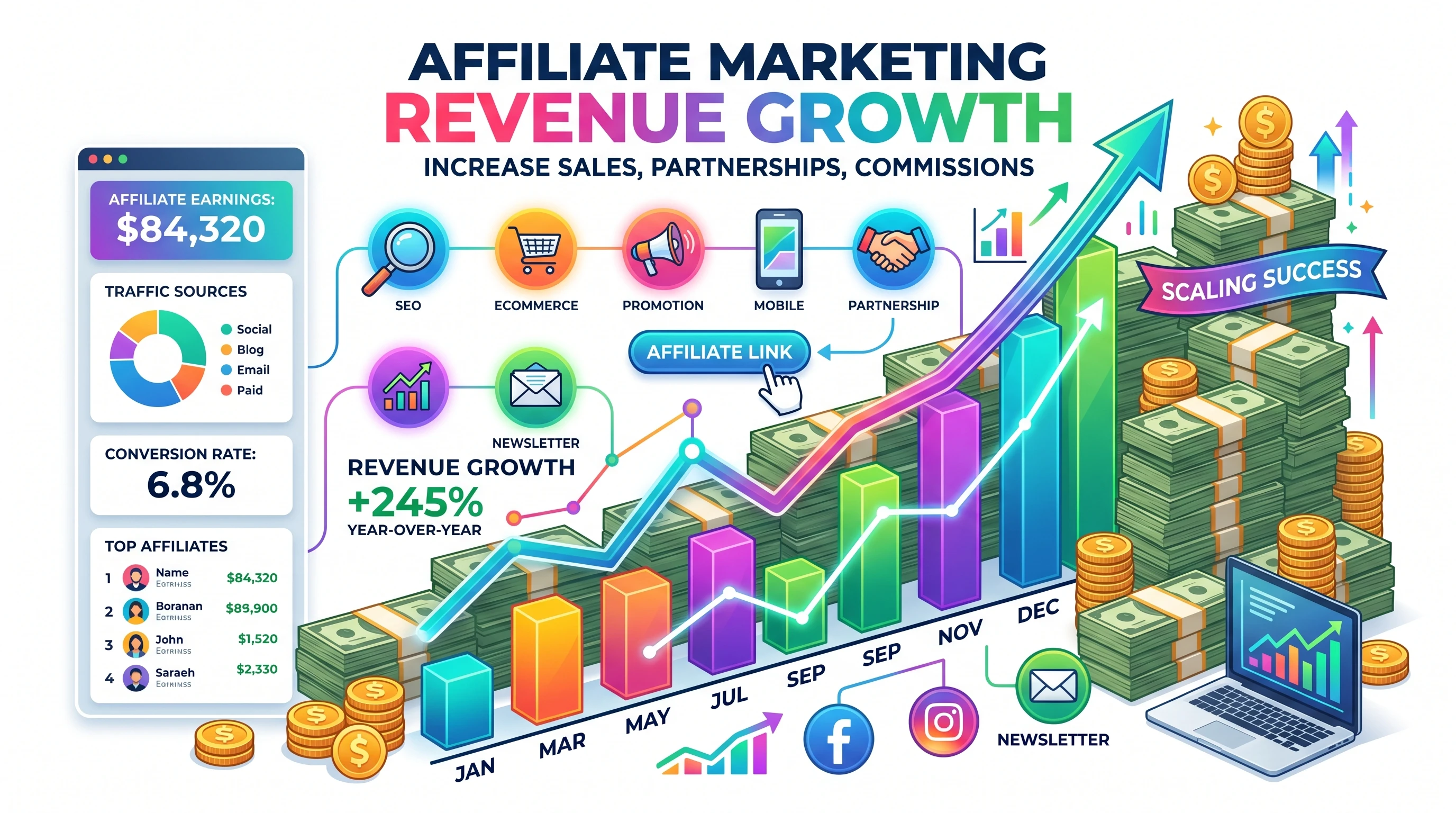
You can have the best content or the perfect product, but it won’t matter without good traffic. When I was starting out, I mostly relied on SEO, since organic search brought in consistent, highintent visitors. Over time, I realized that depending on only one traffic source can leave you exposed. Google updates can swing traffic up or down overnight.
I started layering in email marketing, social media, and even a little bit of paid advertising. Building my own email list has been super important. This list gave me a direct connection with my audience, so I didn’t have to worry (as much) about algorithm changes. Keeping my focus on audience value instead of just quick clicks made a big difference longterm.
- SEO: Longtail keywords tend to have less competition and bring in more targeted visitors.
- Email Marketing: A clean optin and simple welcome sequence keeps lists warm and brings repeat visitors.
- Social: Even small platforms can send quality leads if you’re delivering real value, not just spamming links.
Content That Converts: What Actually Works
Pumping out loads of generic blog posts didn’t move the needle for me. What really worked was longer, indepth content that targeted specific problems or answered questions in detail. I mix up formats too: product comparisons, honest reviews, tutorial guides, and “best of” lists all work for different types of readers.
Making my content easy to find your way around and super actionable helps keep bounce rates low and encourages clicks. I also go back to topperforming posts every so often to update links, check for broken offers, and improve the information based on what’s actually happening in the market.
- RealWorld Experience: Sharing honest feedback about a product’s pros and cons builds trust and encourages higher conversions.
- Strong CTAs: It’s not about pushy selling, but guiding readers to the next step, like a product trial, demo video, or simple signup link.
- Internal Linking: Connecting related articles builds topical authority for SEO and helps readers stick around longer.
Handling Affiliate Marketing Challenges
Growing an affiliate business brings its share of challenges. Sometimes things go sideways. Tracking breaks, offer payouts drop, or programs shut down without notice. Here are a few hurdles I’ve run into and how I handle them:
- Changing Commission Rates: I switch things up with my affiliate partners and avoid putting all my hopes on just one or two programs.
- Content Theft: Setting up Google Alerts and regularly checking my site for copied content helps nip this problem early.
- Tracking Glitches: Always double-check that tracking codes are working and test new offers before going all in.
Adapting When the Market Changes
Affiliate marketing isn’t static. Regulatory updates, thirdparty cookie rule changes, and new competitor tactics mean that I stay flexible and keep learning. Having a backup plan for lost income streams keeps my business healthy even when something out of my control changes.
Staying Compliant
Rules and requirements for affiliates are constantly changing. I make sure to follow all FTC rules around disclosure, avoid grayhat “hacks,” and read through the program agreements before putting any offers out there. This isn’t just about playing safe, it also helps keep longterm partnerships with brands that value transparency.
Scaling With Systems and Automation
Manual work was fine when I started, but to crack sixfigure months, I had to automate and delegate. Simple checklists, content templates, and automated analytics reports saved hours every week.
When revenue justified it, hiring contractors for tasks like content writing, tech fixes, or design let me focus on strategy and testing. Tools like affiliate dashboards, link managers, and email autoresponders help keep things running even when I take a break.
- Content Scheduling: Plan posts so new content goes live consistently even when I’m busy elsewhere.
- Analytics Automation: Set up dashboards to quickly spot drops in traffic, broken links, or underperforming offers.
- Outsourcing: Use trusted freelancers for noncore tasks, freeing up time for scaling what works.
Frequently Asked Questions
Here are some of the questions I answer a lot from folks looking to scale their own affiliate businesses:
Question: What’s the fastest way to grow an affiliate site?
Answer: Focus on producing highquality, indepth content in a winning niche, then build consistent traffic. Don’t expect overnight success; small, repeatable improvements bring solid longterm results.
Question: How do I choose the right affiliate offers?
Answer: Try out the products yourself if possible. Look for offers that have a good reputation, provide helpful resources to affiliates, and offer fair commission rates.
Question: Do I need to spend money on ads?
Answer: Paid ads can be helpful, but they aren’t necessary to get started. I recommend building a solid base with SEO and organic traffic first. Then test ads to supplement what’s working.
Real-World Tips For Lasting Growth
Keeping up with affiliate marketing trends is just part of the job, but sticking to what works for your audience keeps revenue flowing even when the market switches up. Invest in relationships, both with your readers and with affiliate managers. Double down on what works, test new ideas regularly, and always have a process for reviewing and improving old content.
Hitting six figure months was a long term play, not a quick fix. Consistency, transparent recommendations, and smart diversification made all the difference for me, and they can for you too. If you have any questions about what was discussed above I would be happy to discuss in the comments below.