
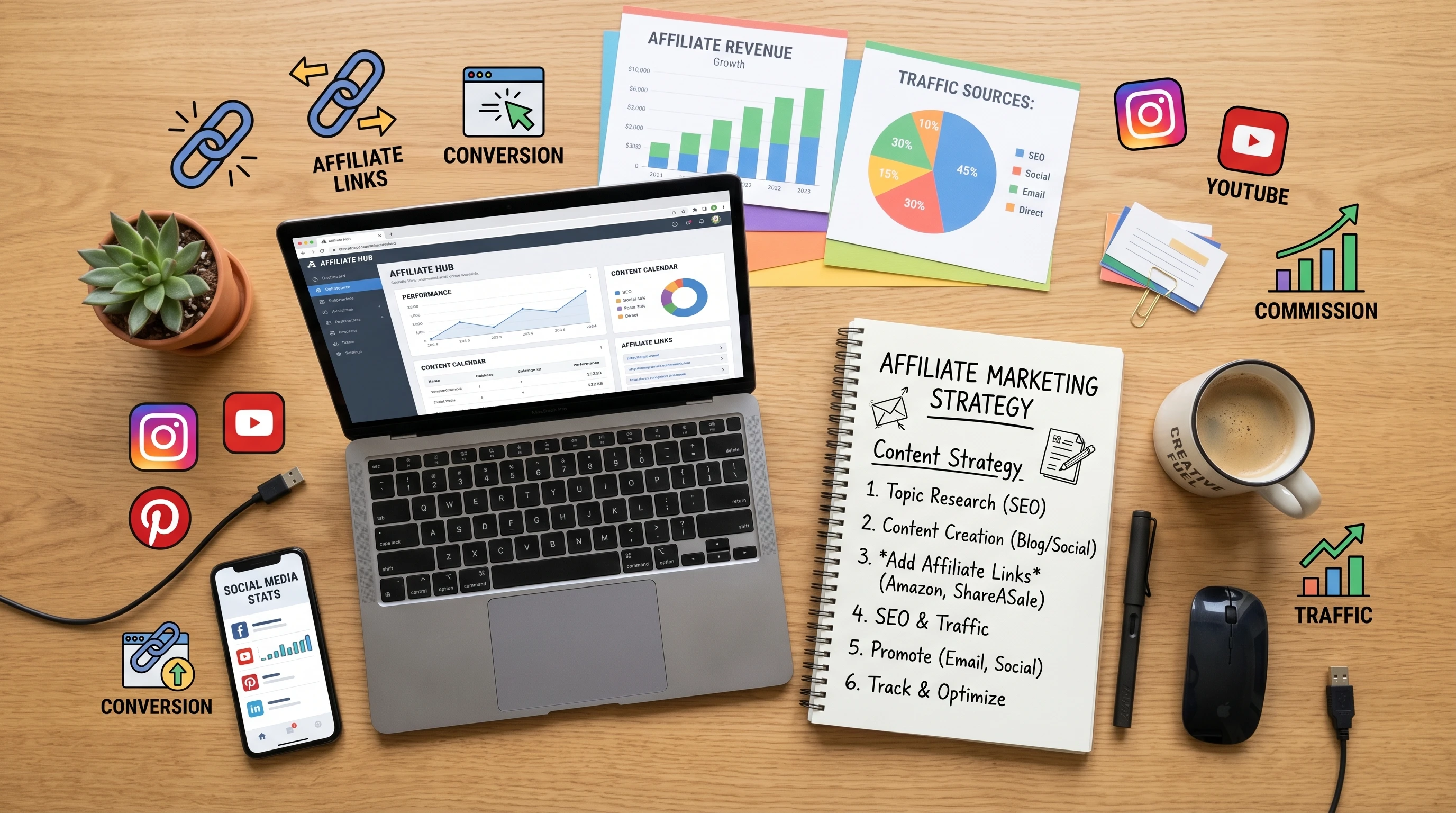
Affiliate marketing content has changed quite a bit over the years. It’s not just about tossing up a handful of banners or links onto a website anymore. People are looking for genuine recommendations, helpful resources, and voices they can trust. This means building an affiliate marketing content strategy that works requires keeping user needs, authenticity, and value at the forefront. In this guide, I’ll break down the steps, tips, and digital marketing habits that help boost results without coming across as too pushy or robotic.
What Makes Affiliate Marketing Content Successful?
Affiliate marketing has grown into a reliable way to make money online, with affiliate spending in the U.S. crossing $8 billion as reported by Statista. Success in this space is all about building trust with your audience so they see you as a helpful resource worth listening to before they make any purchase. This comes down to producing content that’s relevant, well-researched, and focused on real user needs rather than chasing quick wins or being overly salesy.
In 2024, both search engines and readers look for content backed by experience, authority, and trustworthy advice. Leading sites like Wirecutter and NerdWallet show how useful guides, detailed product testing, and honest recommendations can set you apart. Taking notes from their approach can set up your affiliate site for the long haul.
Start with Audience Research
Starting with a good understanding of your audience is essential for a smart affiliate content plan. If you skip this, you’ll end up guessing at what people want, which leads to more effort but fewer results.
Here’s how I approach audience research:
- Check Out Forums and Communities: Sites like Reddit, Quora, and niche Facebook groups are packed with real questions people ask before making a purchase. These provide ideas for helpful topics and resources.
- Look at Reviews: Scanning product reviews on Amazon, Trustpilot, or niche stores helps you spot features that matter most—plus which pain points are most common for users.
- Spy on Competitors: I always peek at the top results on Google for my focus keywords. What products are they mentioning? Are there advice gaps that your own content can fill?
By building a basic reader profile, you’ll make it easier to plan articles, videos, emails, or resources that directly address their questions and needs. Helpful tools to brainstorm and validate what people are searching include AnswerThePublic and Google’s “People Also Ask” section.
Choosing the Right Keywords for SEO
SEO and affiliate marketing fit together like puzzle pieces. If you’re creating great content but no one ever finds it, your affiliate commissions won’t go anywhere. Keyword research shows you what people are searching for at every stage of their buying process.
- Informational: For example, “How does [product] work?” or “Benefits of [product]”
- Comparisons: Such as “[Product A] vs. [Product B]”
- Transactional: Like “Best [product] for [specific need]” or “[product] review”
I typically use free keyword tools like Google Keyword Planner, Moz Keyword Explorer, and Ubersuggest to generate new ideas. Mixing low-competition longtail keywords with higher volume ones helps build out content clusters that pull in traffic steadily over time.
Crafting Authentic and Helpful Content
Readers pick up fast if your reviews or guides feel like dressed-up ads. Most people want specifics, firsthand experience, and clear, honest information to help make their choices. Here’s what builds trust and invites readers to return:
- Be Transparent: Always disclose affiliate links and share your own experiences with products. If you haven’t tried it personally, use real customer testimonials or reviews from credible sources.
- Get Specific: Instead of saying a product is “excellent,” spell out exactly what works: “The battery stays charged for a solid 12 hours even with heavy use.” Specific details make your content more credible and useful.
- Don’t Oversell: Mention drawbacks too. Balanced info earns trust before someone spends their money.
- Show, Don’t Just Tell: Incorporate photos, screenshots, or brief demonstration videos with your blog posts. If making videos, try sharing real-life usage footage or quick unboxing clips.
Structuring Your Content for Conversions
Strong affiliate content is easy to scan but thorough enough for in-depth readers. I stick to these tips:
- Headings and Bullets: Break content into clear sections with easy-to-read bullet points so visitors can jump to what they want fast.
- Strong Calls-to-Action (CTAs): Add distinct, honest prompts near affiliate links—things like “See today’s best deal” or “Check options on Amazon.” Avoid misleading people; clarity always wins.
- Highlight Key Features: For recommendations, use comparison tables, pros/cons lists, or quick highlights at the top to help speed-readers.
I also keep an eye on site speed and mobile friendliness. With so many people browsing from phones, fast, straightforward pages help keep your bounce rates low and users happy.
Common Challenges (and How to Handle Them)
Affiliate marketing isn’t a set-and-forget or completely passive venture. Here are a few common roadblocks and ways I tackle them:
- Maintaining Trust: Pushing too many sales can bore or turn off readers. Focus on honest, reader-first content to keep engagement strong.
- Managing Outdated Content: Product features and offers change often, so editing older posts is essential. I set monthly reminders to update top-performing posts with the latest info so nothing falls out of date.
- Tracking Performance: Sometimes it’s tough to spot which pages or links move the needle. Using UTM tags in affiliate URLs and tools like Google Analytics helps track what’s really working.
- Staying Within Platform Rules: When making use of social platforms or Pinterest, always double-check disclosure requirements and permitted linking options.
Transparency and Authenticity Win the Day
One of the biggest challenges is keeping your recommendations real, even with commissions in play. Adding a quick personal note, like “I’ve used this tool for over 2 years,” or linking to both positive and negative reviews, can strengthen credibility. Also, updating your disclaimers and being clear about sponsored links helps reassure your readers over time.
Next-Level Tips for Affiliate Content Success
Confident with the basics? Here are top tactics for boosting results further:
Build Content Clusters: Group related articles together. A classic move is publishing a big “Headphones Buying Guide” and then linking to sub-guides such as “Best NoiseCanceling Headphones” and “Headphones Under $50.” Internal linking across these keeps users reading and can help with your search rankings.
Mix Up Content Types: Don’t stop at blog posts; branch out. Drop in video reviews, email product comparisons, downloadable checklists, and social posts. Some readers want videos, others love super detailed articles—offering both extends your reach and gets more people involved.
Make Use of User Feedback: I’ve gained great insights by reading email replies, checking on-site comments, and hosting quick surveys. Regularly ask your audience—common questions and hurdles can inspire new posts or updates to old favorites.
Stay Updated: Set reminders to check in with affiliate partners to stay aware of vendor updates, commission shifts, or new offers that could change your recommendations.
Optimize Conversion Rate: Little tweaks like changing CTA button colors, moving offers up the page, or simplifying a signup form can bring a jump in affiliate revenue.
Best Practices in Real-World Examples
Seeing real examples is helpful, so here are some of the best models out there:
- Niche Review Sites: OutdoorGearLab, for example, shares hands-on tests, honest pros and cons, and clear comparisons. The site builds trust by showing exactly what works for different buyers.
- Influencer Videos: YouTubers like Justin Brown of Primal Video disclose sponsored products, walk viewers through detailed demos, and wrap up with pros and cons, so viewers feel ready to click affiliate links.
- Product Roundups: The Strategist posts “best of” lists that always spell out their selection process, highlight both top options and flops, and keep links updated with the latest info.
Transparent disclosures, user stories, and expert-backed recommendations are common threads you can spot among the true pros.
Frequently Asked Questions (FAQs)
Check out these top questions about affiliate marketing content strategy:
Question: How often should I update affiliate content?
Answer: Review product pages at least every three months, or right after vendors update, drop prices, or change terms. Outdated information drops trust and can hurt rankings.
Question: What’s the best length for affiliate marketing articles?
Answer: There’s no exact number, but most allinone product reviews or comparison guides run about 1,200 to 2,500 words. Always focus on answering people’s real questions instead of adding fluff.
Question: Should I join lots of affiliate programs or focus on just one?
Answer: When starting out, pick a few great programs that match your audience. As you grow, you can add more or join a bigger network like Impact or ShareASale for variety.
Final Thoughts on Affiliate Content Success
Creating affiliate content that drives revenue long-term is about understanding your audience, providing practical, sincere recommendations, and being clear about your monetization. The most durable success comes to those who give real help, stay up-to-date, and put relationships ahead of quick sales. Whether you’re building a fresh blog, YouTube channel, or an engaging newsletter, these steps will prepare you for steady growth and a base of loyal, happy followers. If you have any questions about what was discussed above I would be happy to discuss in the comments below.