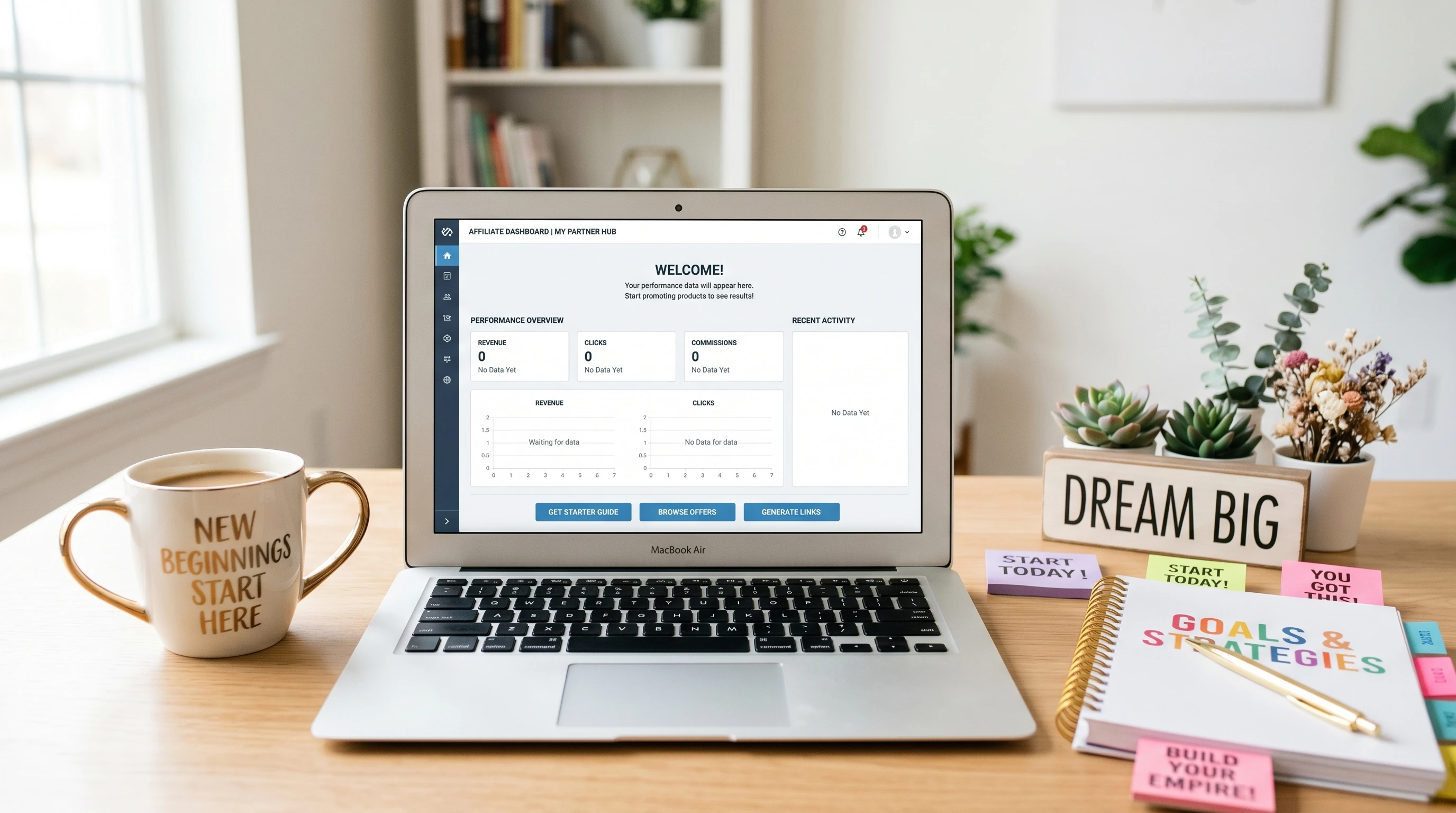
If you’ve poked around the world of affiliate marketing, you’ve probably seen some income reports with big numbers and promises about passive cash. I want to share my real talk from the other side: my first try brought in exactly $0 in commissions. Yep, a nice round zero. While it stung a bit at first, that flop was super important for everything I learned about the reality of making affiliate marketing work. Here’s how hitting zero taught me what it really takes to move from hope to results in affiliate marketing.
Affiliate Marketing: Why My Start Was So Rocky
I arrived at affiliate marketing thinking it was as simple as dropping links and watching dollars show up. The basics of affiliate marketing, sharing a unique tracking link and earning a commission when someone makes a purchase, are easy to grasp, but there’s a difference between knowing what it is and actually making it work.
Affiliate programs can be found in just about any niche you can think of, from tech reviews to cooking blogs to fitness. Many companies provide access to their programs through networks like Amazon Associates, ShareASale, or direct partnerships. For a beginner, the biggest surprise is how crowded things are. There’s a lot of noise, and audiences are picky; they want value, not just another sales pitch.
Looking back, my $0 experience wasn’t about bad luck. I wasn’t reaching the right people, my content wasn’t helpful enough, and I had zero credibility with my audience. This is pretty common for those starting out, so if you see no earnings at first, you’re definitely not alone.
Early Affiliate Mistakes That Led to Zero Commissions
My first attempts didn’t get any traction for a few key reasons, all of which are fixable if you spot them. Here’s where I went wrong:
- Pushing links instead of providing help: I’d write content just to squeeze in affiliate links, but it gave readers no real reason to trust me or click.
- Not understanding my audience: I guessed what people wanted instead of researching search intent; most visitors were bounced out in seconds.
- Ignoring design and readability: I didn’t think layout mattered, but ugly, textheavy posts with awkward link placements made folks run for the exit.
- Poor call to action (CTA): Instead of clear suggestions or recommendations, I hid links in vague phrases, hoping people would just know what to do.
- No email strategy: I let visitors slip through without even trying to collect emails for followup or readership growth.
Learning by Doing: What Actually Works for Beginners
After getting nowhere for months, I decided to take a step back and really figure out why others were earning while I wasn’t. A switch in perspective was key. The difference maker wasn’t some secret hack; it was the basics, done right and consistently. Here’s what helped me move forward:
- Focus on helping first, selling second: I started answering questions, sharing honest reviews, and only suggesting products I truly found useful.
- Build trust through transparency: I stopped pretending to be an expert at everything and admitted what I had tried, failed at, or found helpful.
- Pay more attention to SEO: Targeting specific problems and using keywords with lower competition gave me a better shot at reaching my audience.
- Create better content flow: Breaking things up with images, short paragraphs, and simple headers made articles easier to read, and links easier to spot in a helpful way.
- Start an email list early: Even if you only get a few signups, it means you’re building a direct audience to reach again later (without relying just on Google or social media).
Beginner Friendly Steps For Earning That First Commission
Zero commissions can stick around longer than you expect if you keep chasing every shiny object. Over time, I found that having a simple, consistent process gave a boost to my chances more than anything fancy. Here’s my goto setup now:
- Pick a single affiliate program you can believe in: I learned that promoting ten different things at once was confusing and ineffective. Sticking with one program gave me clarity and helped grow my knowledge.
- Write content that solves real problems: Instead of fluffy product roundups, I answered specific questions my target audience was searching for.
- Use personal experience: If I hadn’t used a product, I’d be upfront or would ask friends for their take before recommending.
- Add simple calls to action: I use language like, “Check current price here,” or “See today’s top deal,” so readers get a clear next step.
- Pay attention to analytics: Learning which posts got traffic and which didn’t helped me double down on what worked and fix what flopped.
Things to Know Before Jumpstarting Affiliate Efforts
Affiliate marketing is easy to start but takes patience to actually earn something. Here are a few practical things I wish I’d thought about before those first months of $0:
- Payout thresholds: Some programs only pay after you hit a minimum ($10, $50, even $100). Plan your expectations accordingly.
- Cookie duration: Program rules set how long after a click you get credit for a sale; 24 hours on Amazon, but up to 90 days elsewhere.
- Approval requirements: Big networks sometimes want to see your site first. If you have low traffic or thin content, you might not get accepted right away.
- Content refresh: What you publish once isn’t set in stone. Revisiting and improving content makes it more valuable, as I learned after seeing older posts suddenly pick up when updated with fresh info and better structure.
Payout Schedules
Payouts might arrive monthly, every two months, or only after you clear a minimum. I got discouraged before realizing I just hadn’t earned enough to trigger a payment, even though a few clicks came in. Tracking this helps set better goals.
Understanding Analytics
Program dashboards tell you how many clicks, conversions, and commissions you’re earning. Learning to read this data helps you tweak your strategy; maybe rewriting a poorly performing post or tweaking where you insert your links.
Staying Authentic
Trying to be someone else or copy/pasting other bloggers doesn’t build trust. I saw engagement jump once I started being blunt about what worked (and what didn’t) for me personally.
Take It Up a Notch: Tricks After Breaking the $0 Barrier
Once you cross into positive commissions, a few more advanced moves help you grow. My next steps looked like this:
Mixing Product Types: I included both highticket (big payouts, lower frequency) and lowticket (lower payouts, easier buys) offers so I wasn’t banking on just one kind of commission.
Getting Creative with Content: Tutorials, comparisons, bestof lists, and personal stories all performed better than stiff product reviews.
Optimizing for Returning Visitors: I linked related content together and offered exclusive bonuses, like a short PDF guide, for email subscribers.
Maintaining Compliance: I made sure to disclose affiliate relationships clearly, usually a quick note at the top or bottom of the post, which builds transparency and protects from policy issues.
RealLife Examples: Where Affiliate Marketing Shows Up
Everyday situations are packed with affiliate potential, if you’re thinking about helping and not just selling. Here are a few ways I put it into practice:
- Tech Blog: Reviewing budget headphones after using them for a month, sharing audio samples, and linking to the best deal I found.
- Recipe Website: Linking to kitchen tools I actually used, with step by step pictures and quick demos to build trust.
- Fitness Guides: Writing about a training program, sharing actual before/after progress, and linking to the supplement I bought when it went on sale.
The potential is endless, and these methods work across so many blog themes, channels, and platforms.
Questions People Ask About Getting Started in Affiliate Marketing
Question: When do most people usually make their first commission?
Answer: It varies a lot, but beginners can spend months earning nothing if their content isn’t getting traffic yet. Getting focused and consistent speeds this up.
Question: Do I need a huge following to make money with affiliate marketing?
Answer: Not really! Some folks with small, engaged audiences make much more than those with big but inactive lists or social followings. Quality matters more than quantity.
Question: Can you really earn without a blog or website?
Answer: It’s possible on YouTube, social media, or even email newsletters, but having a site gives you more control and better search visibility.
Wrapping It All Together: Keep Learning and Stay Patient
Getting zero commissions isn’t the end. If anything, it’s a starting point with plenty to teach. What matters most is getting the basics right and staying honest while you build experience. Patience, regular updates, clear recommendations, and lots of trial and error help you see steady progress. Affiliate marketing might not be instant, but it gets rewarding as your work and knowhow stack up. If you’ve been sitting at $0, just know you’re not stuck; keep going, keep learning, and those commissions really do add up over time. If you have any questions about what was discussed above I would be happy to discuss in the comments below.