- Affiliate marketing can seem like a great way to make some extra income, but picking the right affiliate program is what makes the real difference. There are tons of programs out there, offering everything from physical products to digital services, but not every program is going to fit your style, audience, or goals. I’ve spent plenty of time digging into what makes an affiliate program worthwhile, and in this guide, I’m sharing the process I use to make sure new marketers, just like you, find a program that really feels like a good fit.
Understanding Affiliate Programs: A Quick Overview
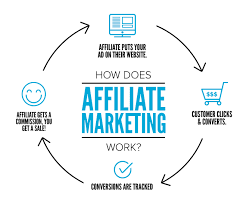
- Affiliate marketing is all about promoting other people’s products and earning a commission for every sale, lead, or action completed through your unique referral link. The cool thing is you don’t need to create, stock, or ship products. Your job is to connect the right people with the right offer.
Most affiliate programs fall into a few categories:
- Retail and eCommerce: Amazon Associates and Walmart Affiliates are two popular examples. Great for people with blogs, YouTube channels, or social media focused on products.
- Digital Products: These range from online courses to downloadable software, like what you find with ClickBank or Udemy’s affiliate program. Commissions here are often higher, but conversion rates might be a bit lower.
- Service-Based: Think web hosting, VPNs, or financial services. Providers like Bluehost and NordVPN offer ongoing commissions and recurring payouts on subscriptions.
- Some programs pay per sale, some by lead, and some on new subscriptions. If you’re curious about how tracking and payment work, most programs use cookies (ranging from one day to 90 days or longer) to monitor who clicks your link and completes an action. Checking the cookie window is super important if you want to make sure you’re getting credit for your referrals.
Getting Started: Questions to Ask Yourself
Before signing up for your first or next affiliate program, there are a few things worth thinking through. I always recommend considering these:
- What kind of audience do I have (or want to build)? Are they looking for budget deals or premium products?
- What platforms am I most active on? Certain programs and products convert better on specific platforms like blogs, YouTube, or Instagram.
- Am I ready to promote products or services I truly believe in? Authenticity is really important. Your audience can tell when you’re promoting stuff just for a commission.
- These questions help narrow down where to start looking. There’s no shortage of options, but not every affiliate program will vibe well with your content or your community.
6-Step-by-Step Methods: How to Choose the Right Affiliate Program for You
- I’ve broken down the selection process into a series of practical steps. Making informed decisions now can seriously save you headaches (and boost your earnings) down the line. By working through these steps, you’ll have a game plan that lets you grow your affiliate income over time.
- Define Your Niche and Audience
Really understanding who you’re creating content for makes it easier to match affiliate offers to your readers’ or viewers’ interests. For example, if you run a fitness blog, programs for workout equipment, supplements, or health apps are going to be a stronger fit than something unrelated like gardening tools. Take time to figure out exactly who you’re aiming to help, so the offers you choose feel like a natural match. - Compare Commission Rates and Payment Terms
Payout structures vary widely between programs. Some pay a flat fee per sale, while others offer a percentage. Look at the average order value and expected volume; 10% of a $100 product is quite different from 4% of a $20 item. Also check how and when you get paid (monthly, after a threshold, direct deposit, PayPal, or check). Keeping track of these will keep your expectations practical and help with planning income. - Check Cookie Duration
Cookie windows matter! If visitors typically wait a few days before buying, longer cookie durations (30+ days) work better. Short windows (24-48 hours) are fine for impulse or low-cost purchases, but can limit earnings on items that require more thought. Remember to factor in your audience’s buying habits, as this directly affects your commission. - Look at the Offer’s Quality and Reputation
Programs with lots of customer complaints or a sketchy reputation can risk your audience’s trust. Always look for programs with solid reviews and transparent terms. Spend a little time checking review sites or online discussions to see what others have to say. - Assess Support, Tools, and Resources
Some affiliate programs make things really easy. Look for programs offering creative banners, keyword suggestions, tracking dashboards, and responsive affiliate managers. These extras can help you succeed faster. The better the tools, the more time you’ll save getting your promotions live and tracking results. - Start Small and Test Results
Don’t try to promote everything at once. Test a few related products or services, track results, and see what performs before adding more offers or applying for additional programs. This way, you’ll catch early wins and avoid overload or loss of focus.
- Following these steps lets you take an all in one approach to picking the best affiliate programs for your needs, rather than just jumping at the first opportunity.
Common Mistakes to Avoid
- I learned the hard way that not all affiliate programs are designed with your best interests in mind. Here are a few pitfalls to watch out for:
- Chasing High Commissions Only: Super high payouts can be tempting, but if the product’s a tough sell or feels sketchy, it’s usually more hassle than it’s worth.
- Ignoring Terms and Conditions: Each program has rules about advertising, promotions, and payouts. Breaking them could mean lost commissions, so give them a read before promoting anything to avoid issues down the road.
- Signing Up for Too Many Programs at Once: Focus on a handful of strong, relevant programs at first. Managing dozens becomes confusing quickly and can dilute your impact.
- Overlooking Audience Needs: If you recommend things your readers aren’t interested in, you risk losing credibility and conversions. Spend time getting to know what really resonates with your followers and keep their interests front and center.
Tips for Maximizing Affiliate Success
There are simple actions you can take to get more from your affiliate marketing adventure:
- Focus on Honest Reviews: Share personal experience or thorough research on products you promote. I notice readers respond well to authenticity and actual use stories; it makes your recommendations more trustworthy.
- Use Multiple Platforms: Many programs let you promote on more than one channel. Try adding links to blogs, video reviews, email newsletters, and even your social media profiles for a wider reach.
- Track Results: Don’t just set it and forget it. Use analytics to monitor which offers and platforms perform best so you can double down on what works and drop what doesn’t.
- Keep Learning: The top affiliate marketers I know stay up to speed with trends, new tools, and updated program offers. Forums, webinars, and affiliate program blogs are great places to track down new strategies and tips.
- Engage With Your Audience: Ask your audience what products or services they actually want to know about. Their feedback helps you choose programs that solve real needs and boost your results.
Real-World Examples: Matching the Right Program With the Right Audience
When I first got started, I wasted time on programs that looked good on paper but didn’t connect with my audience. Now, I always look for this kind of fit:
- Technology Blogger: Works well with software, web hosting, and gadget affiliate programs. Their readers want reviews, comparisons, and tutorials to help with buying decisions.
- Food or Recipe Content Creator: Makes sense to partner with kitchenware retailers, meal delivery services, or specialty ingredients where readers want helpful tools or tasty new products.
- Travel Vlogger: Can try affiliate programs for travel gear, booking platforms, insurance, or local tours. Their viewers look for gear recommendations or local insider deals to smooth the way on future trips.
Matching your affiliate deals to your niche means you’re helping people solve problems they actually have, rather than pushing products no one cares about. Focusing on solutions makes your content more valuable and keeps your followers coming back for advice and ideas.
Frequently Asked Questions
Here are some things people often ask me about affiliate programs:
Question: How do I know if an affiliate program is legitimate?
Answer:Look for established networks (like ShareASale, CJ Affiliate, or Amazon), check reviews, and see if they publicly list payment histories or testimonials from real affiliates. If the terms sound too good to be true, or the site looks unprofessional, I usually steer clear.
Question: What kinds of affiliate programs pay the best?
Answer:Generally, digital products and subscription services offer the highest commissions, but they can also be harder to sell. Physical products (like Amazon or eBay) pay lower per sale, but the scale can make up for it if your audience is big.
Question: How long does it take to get paid from most affiliate programs?
Answer:Every program is different. Some pay monthly, but there’s usually a waiting period so refunds can process (typically 30–60 days). Check each program’s payment policy to avoid surprises.
Key Takeaways: Getting Started the Smart Way
- Finding the right affiliate program makes a huge impact on your earnings and your reputation. My advice is to work with programs that fit your content and audience, check those payment and cookie details, and don’t be afraid to test offers until you find what clicks. The right match makes affiliate marketing both enjoyable and rewarding for you and your audience.
- Start small, stay authentic, and you’ll find programs that actually help your community while earning you commissions over time. Good luck with your search; stick with it, and affiliate marketing can become a well-earned source of ongoing income for years to come!
If you have any questions about anything discussed above and would like to learn more, I would be happy to discuss in the comments below.