
- If you’re active in affiliate marketing, keeping up with your affiliate links can be a real challenge. I remember very well starting out and thinking a few links here and there would be easy enough to manage. I was way off! As time goes on and you join more programs and create more content, those links can add up fast. Tracking and managing them isn’t just about staying organized; it actually helps boost your earnings, keeps your site looking professional, and saves you a lot of headaches down the road.
https://www.wealthyaffiliate.com?a_aid=18e69c44
Why You Need to Track and Manage Your Affiliate Links
Affiliate links are basically the bread and butter for a blog or site that makes money through recommendations. These little links are what turn that product roundup or how-to post into something that brings in commissions. But the reality is, over time, outdated links pop up, merchants move or change products, and some links may stop working altogether. Broken or outdated links mean missed revenue and a poor user experience, not to mention possible headaches with SEO.
Link tracking is more than just knowing if a visitor clicked a button. It helps you figure out what’s actually performing and where you might want to focus. Some link management tools also track clicks by location and device, which comes in pretty handy if you want to fine-tune your strategy. Managing affiliate links is key for staying compliant with network rules and keeping your site’s reputation solid.
Setting Up a Basic Workflow for Affiliate Link Management
If you’re just getting started, a simple spreadsheet can do the trick. List each affiliate program, the products you’re promoting, your unique tracking URLs, and the posts or pages where those links appear. Over time, though, most people switch to purpose-built link management tools (I’ll cover these a bit later).
- Affiliate Program: Jot down the name of every program or network you join.
- Product or Offer: Keep the product name handy for fast updates.
- Tracking Link: Paste in your current affiliate URL, making notes about any added parameters.
- Placement: Make a note of where the link is used, such as blog post, sidebar, email, and so on.
- Status: Note if it’s active, expired, or if the merchant changed things up.
This system lets you update, remove, or test links across your site without major guesswork. As things grow, a spreadsheet might turn into a bit of a mess, but it builds good habits right from the start. A paper trail for your links, even if basic, will help you adapt to new tools later.
As your affiliate marketing grows, this level of detail in tracking starts to pay off. You’ll be able to spot trends, fix problems early, and keep your content fresh.
Must-Have Features in Affiliate Link Management Tools
When things scale up, trying to manage hundreds of links manually just isn’t realistic. There are several tools out there specifically meant to organize and track affiliate links. Many of these plugins or apps offer some cool features worth checking out:
- Link Cloaking: Turns ugly, long URLs into clean, brand friendly links (think yoursite.com/go/product).
- Automatic Link Insertions: Automatically convert specific keywords in your posts into affiliate links, saving time and making things consistent.
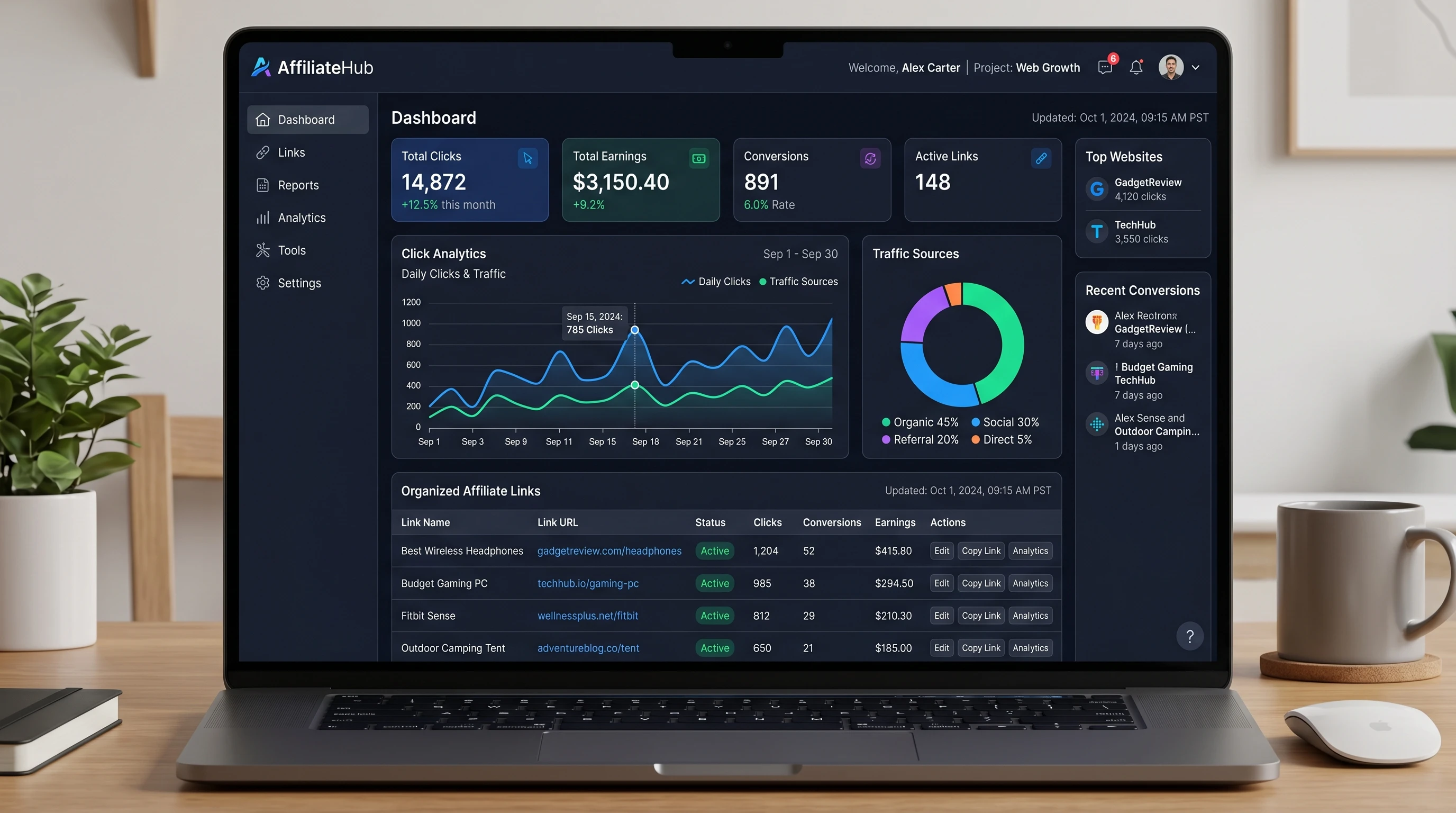
- Click and Conversion Tracking: Get clear reporting on what links are being clicked, where, and by whom.
- Link Health Monitoring: Get instant alerts if a link breaks or a landing page disappears.
- GeoTargeting: Serve different affiliate links based on your visitor’s location if you promote products that have country specific programs.
- Centralized Dashboard: View, edit, and manage all links from one place.
- Easy Updates: Change an affiliate link once, and it updates across your whole site.
I really like the peace of mind that comes from a tool that notifies me if something’s off with a link. The last thing you want is to send traffic to a dead page. These features streamline things as your website and affiliate strategy grow.
Popular Tools for Managing Affiliate Links
I’ve tried several affiliate link management tools and plugins, especially on WordPress. Here are a few worth looking at (some are free, others are paid with added features):
- Pretty Links: Perfect for cloaking, tracking, and managing links right from your WordPress dashboard.
- ThirstyAffiliates: Similar features to Pretty Links, plus Smart Uncloaking for Amazon links and scheduled link replacement.
- Affluent.io: Helps manage affiliate reporting across multiple networks with analytics all in one spot.
- Bitly: Good for short links and basic click analytics if you want something lightweight.
- Geniuslink: Great for geotargeting, including smart routing for Amazon international associates.
There are plenty of other options, but these are solid for most people. Trying out a few trials or free plugins is a practical way to see what works best for your workflow and the site size you have.
An important note: always make sure the tool you choose fits your program’s rules on link handling. For example, Amazon is pretty strict about how its affiliate links are used.
How to Organize and Update Your Affiliate Links Over Time
- As you add more links, things get messy fast if you don’t have a plan. I use categories or groups inside my link management tool to stay on top of things. For instance, grouping links by product type or merchant makes it easier if you ever need to swap them. Keeping notes about campaigns or promotions for each link can be helpful for future reference too.
- It’s smart to do regular check- ins, maybe monthly or quarterly, to test links, review your dashboard, and remove anything outdated. This little bit of maintenance can keep everything running smooth. Also, whenever you join a new affiliate program, take a minute to add it to your tool or sheet right away, with all required compliance notes included (like disclosure requirements or unique tracking tags).
Common Challenges and How to Avoid Them
- Affiliate Programs Closing: Programs sometimes shut down or change their terms. Keep an eye on emails from your networks to avoid dead links.
- Broken or Outdated Links: Regular use of link checkers and built-in tool alerts can help you catch these quickly.
- Link Cloaking Issues: Some merchants, such as Amazon, have rules about cloaking. Always read their terms to protect your account.
- Duplicate Links or Tracking: Too many variations of the same link can confuse reporting. Update old links to a standardized format when possible.
A little bit of prevention goes a long way, especially with compliance and staying eligible for affiliate partnerships.
Advanced Tips for Tracking and Improving Your Results
- Once you’re comfortable managing your basic links, it’s nice to dig a bit deeper. Using advanced tagging lets you split reporting by campaign, traffic source, or even content type. Segmenting data like this makes it easier to spot trends and adjust your approach. You can also run basic AB tests: use different links in the same content to see which style or placement generates more clicks or sales. Many link managers let you add parameters for this level of tracking.
- If you promote products worldwide, geotargeting is handy. Some tools let you direct visitors from different countries to the right version of a product or a local shop. This can give a big boost to your conversions and user experience.
- Another tip I find useful is labeling links that are attached to recurring commissions versus one-time payouts. It’s motivating to see which content builds up the most long term income!
Real World Scenarios Where Good Link Tracking Pays Off
- Seasonal Promotions: If you’re pushing Black Friday deals, tracking helps you identify which products and posts pulled in the most sales.
- Evergreen Content: Monitoring links in your top trafficked posts keeps the money flowing year round and flags when something changes.
- Email Campaigns: Using unique links for email newsletters lets you see what topics get clicks versus what falls flat, making future sends more effective.
Affiliate marketers who use these tactics usually spot issues before they get serious and sometimes even stumble upon new ways to earn based on what’s working. Good tracking is all about learning and being able to make choices quickly when things change.
One real world example: I once fixed a high-traffic blog post that had a broken link to a bestselling item. After fixing the link and switching to a better-performing merchant, the commissions bounced back, and readers stayed happy—the kind of quick win that makes link management worthwhile.
Frequently Asked Questions
How can I make sure my affiliate links stay up to date?
Use a link management tool with health monitoring, and set a recurring reminder to check your links either monthly or quarterly.
Is link cloaking safe for all affiliate programs?
Not always. Some big networks, like Amazon, don’t allow it, so always check merchant rules before cloaking any links.
What should I do if an affiliate program closes?
Swap or remove the links promptly. If you have alternatives, update your content and do a scan for links that might now be broken.
How do I track which links are getting the most clicks?
A good link management plugin or analytics tool will show you which links get the most traffic, and sometimes even where the traffic is coming from.
Takeaway: Staying Organized for LongTerm Affiliate Success
Taking the time to organize, track, and regularly maintain your affiliate links makes your site look more professional, boosts earnings, and keeps you out of trouble with affiliate programs. It might seem a bit tedious at first, but things get easier. And, way more profitable; once you’ve got a good system in place.
Whether you’re just starting or you’ve already got a ton of content, building these habits saves time and keeps everything running smooth while you focus on growing your audience and income. If you have any questions about what was discussed above I would be happy to discuss in the comments below.