Landing a better affiliate deal can make a real difference in how much you earn and how motivated you feel to promote a brand. Over time, I’ve learned that negotiating for higher commissions, better terms, or unique perks is all about preparation and a confident approach. Whether you’re just getting started in affiliate marketing or you’ve been at it for a while, knowing how to approach these negotiations can help you move beyond generic rates and basic structures. Here’s a practical rundown on how to negotiate better affiliate deals without any unnecessary stress.
Why Negotiating Affiliate Deals Matters
Affiliate marketing is more competitive than ever, with brands eager to work with publishers, influencers, and content creators who drive genuine sales. Sometimes, the deals that land in your inbox look pretty basic or vague. The smart move is figuring out what works best for your business and your audience, and knowing that most brands expect some negotiation.
Improved deals mean you can work smarter, not harder. Maybe you’ll secure higher commissions, an exclusive discount code for your followers, or tailored content support from the brand. These perks add up over time, and even small increases can have a big impact if you scale up your audience or campaigns. Negotiating is also a sign that you value your work and encourage the brand to see you as a partner, not just another affiliate ID in their system.
What people sometimes overlook is that better deals can also help keep you motivated and enthusiastic about promoting the brand long-term, which often leads to higher conversion rates and more consistent income. The right partnership can grow into a mutually beneficial relationship that goes well beyond the default terms found on the program’s landing page.
Getting Ready: What You Should Know Before Negotiating
Walking into a negotiation prepared helps avoid confusion and sets the stage for a productive conversation. Here are a few things I always keep in mind before I reach out:
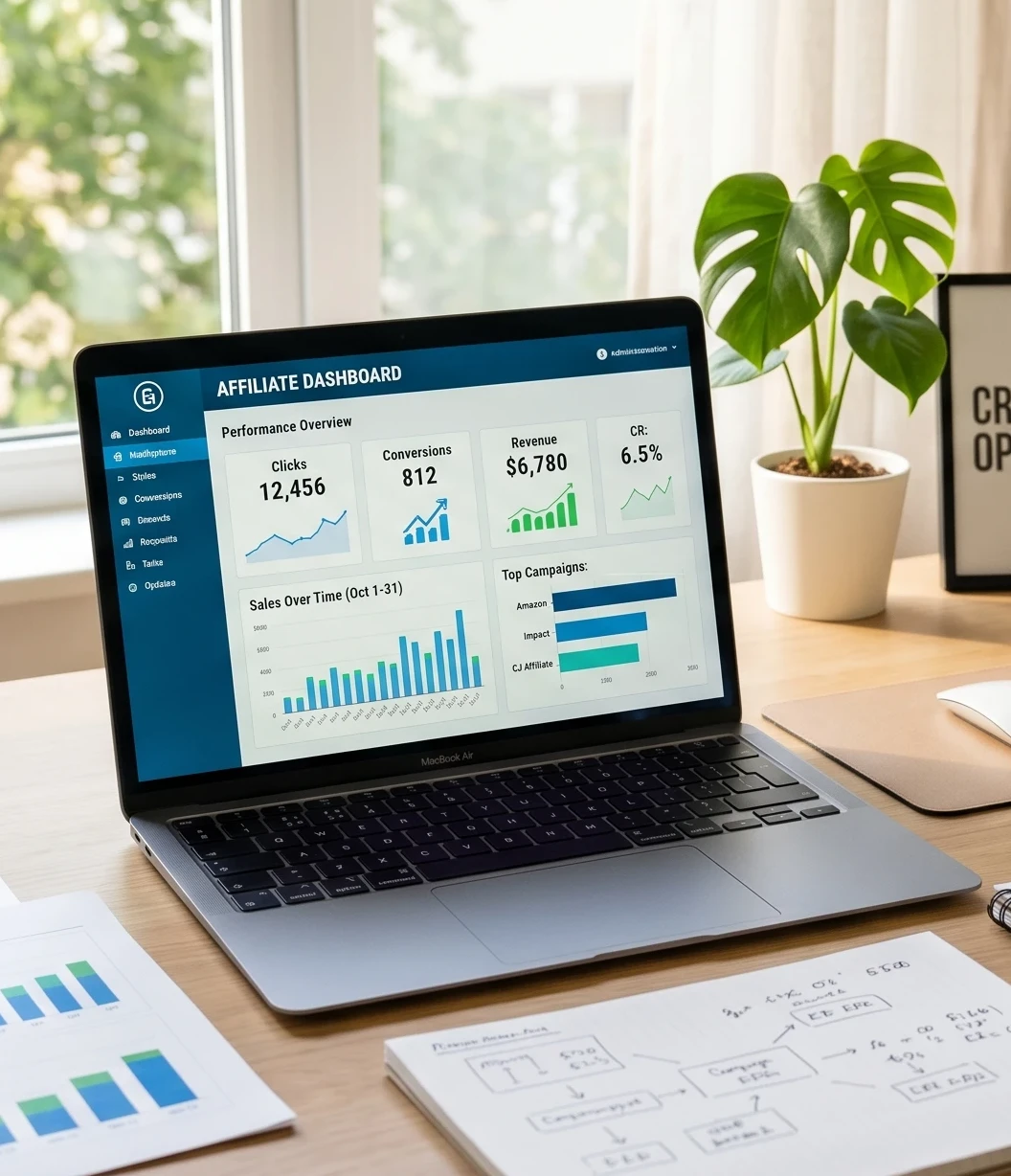
- Understand Your Stats: Have a clear idea of your traffic sources, conversion rates, average order value, and how your previous affiliate campaigns have performed.
- Know Your Audience: If your followers fall into niches the brand cares about, highlight that. Maybe you have a particular demographic or a loyal following on certain platforms.
- Research the Brand: Look at their existing affiliate program terms and what their competitors offer. This gives you a solid comparison if the brand is offering you less than others in your space.
- Set Realistic Goals: Choose what you want out of the conversation, whether it’s higher commission rates, unique bonuses, or more flexible payment terms. It helps to write down your ideal scenario, plus a fall-back you’d still be happy to accept.
Additionally, it pays to check out what makes your approach or platform different. Is your content video-heavy, focused on a specific industry, or do you offer something the brand doesn’t get from other affiliates? Making a list of your unique selling points gets you ready to point out exactly why a better deal makes sense.
Structuring Your Pitch for Negotiation
When you’ve gathered your info, start your negotiation with a friendly, confident pitch. Here’s an approach that works for me:
- Introduce Yourself Clearly: Explain who you are, your main platforms, and what kind of audience you have.
- Mention Relevant Successes: Bring up numbers, case studies, or memorable campaign highlights. Brands respond to data and stories.
- Ask Directly (But Politely): Let them know you’re excited to partner but would like to discuss terms. Be specific about what you’re hoping to improve.
- Frame It as a Win-Win: Point out how changes could benefit both of you, like an exclusive offer driving more sales on your side and additional exposure for the brand.
It’s surprising how often brands respond positively just because you ask. They’re used to it, and most will appreciate your proactive approach. A personal touch makes a difference, so avoid copy-paste messages; show them you took the time to get to know their brand.
Key Points to Negotiate
Affiliate deals can be pretty flexible, depending on the company and the type of campaign. Here are a few areas that I usually focus on when negotiating:
- Commission Rate: Ask for a bump above the standard offer if your site or following can deliver quality leads or sales. Don’t be shy here.
- Cookie Duration: Longer cookies mean more time to secure those last-minute purchases. Many brands are happy to extend from 30 days to 60 or even 90 days if you ask.
- Bonuses and Performance Perks: Some programs offer higher payouts past certain thresholds, or they have tiered structures where better results get rewarded.
- Custom Creative or Landing Pages: See if the brand is willing to develop landing pages that match your style. This often improves conversion rates for both parties.
- Payment Frequency: Faster payouts or lower minimum withdrawal thresholds mean quicker income for you.
- Exclusive Discount Codes: Custom codes not only entice your audience but make it easier to track the effectiveness of your promotion.
- Product Samples/Review Access: Request early or free access to products or services, which will allow you to share authentic experiences that engage your audience and boost credibility.
Asking for more than just commission often uncovers benefits you wouldn’t have thought of—think priority support, extra data, or sponsorship for time-limited campaigns.
Common Challenges and How to Handle Them
Like any negotiation, there can be bumps along the way. Here’s how I get past some of the regular hurdles:
- “Our Terms Are Fixed” – Sometimes, the initial reply is that the company can’t budge. Instead of backing off immediately, I ask if there are limited-time promos, bonuses for top partners, or increased rates tied to performance milestones.
- “Budget Is Tight” – Some brands just have less room during slow seasons or at launch. That’s where pitching exclusive content, product reviews, or bundles can help create value both ways, with possible perks later.
- Delayed Replies – If you haven’t heard back in a week or so, a polite follow-up keeps things moving. Brands get lots of outreach, so it never hurts to remind them you’re interested.
- No Program Yet – A few brands might not have formal affiliate programs, but they could be open to one-off deals or beta partnerships. This sometimes leads to even better made-for-you offers with direct support or unique perks.
Handling Rejection or Stale Conversations
Not every pitch turns into a done deal, and that’s normal. Sometimes the brand isn’t ready, or your timing doesn’t line up with their promos. If it’s not working out, thank them and mention you’re open to future campaigns. Keeping communication positive leaves the door open for better opportunities down the road. Sometimes, a “no” just means “not right now.”
Practical Tips for Standing Out
I find these extra steps go a long way when you want a company to say yes:
- Share a Media Kit: A simple PDF highlighting your numbers, case studies, and typical engagement stats brings your email to life. Consider adding testimonials from previous brand partners or a portfolio of relevant work.
- Show You’ve Used the Product: Let them know you actually use or believe in what they sell. This boosts your credibility and reassures the brand. Share a brief story or content sample where you featured the product in a real scenario.
- Reference Similar Collaborations: Mention if you’ve worked with related brands and include results, especially if you can show sales growth or campaign impact. Add any press or awards if you have them.
- Customize Each Pitch: Brands can tell when you’ve sent the same boilerplate message to everyone. Even a few lines on why you specifically like their brand stand out. Tailoring each email shows respect and personal investment.
Another good approach is to propose creative ideas unique to the brand—maybe a special event, a themed campaign, or ways to work together on emerging channels like podcasts or Reels. The more value you bring, the more likely they’ll be to accept your negotiation points.
Things to Think About Before Signing an Agreement
Before agreeing to any deal, I always take a closer look at the details. Here are some things I double-check:
- Payment Terms: Are they monthly, net-30, or something else? Make sure it fits your cash flow approach. If you have questions, ask upfront so there are no surprises later.
- Restrictions: Some affiliate agreements have strict rules about bidding on brand keywords, promotion channels, or geographical restrictions. Better to know now than have issues down the road.
- Termination Clauses: Check if the brand can remove you at any time and what happens to pending commissions. Sometimes companies require extra notice or have holdback periods for new affiliates.
- Attribution Methods: Some programs use last-click attribution, while others may use first-touch or a combination. It matters in competitive niches.
- Data Access: Ask how you’ll see your results—analytics dashboards, reporting frequency, and whether you get breakdowns by channel. Access to good data helps you tweak campaigns for better performance.
Reading the fine print is really important, especially if the brand is new to you or the program runs on a less-known network. Don’t be afraid to confirm any points that seem unclear, and keep a copy of the signed agreement for your records. This protects you if disputes come up down the line.
Advanced Moves: Going Beyond Basic Negotiations
Once you’re comfortable with the basics, there’s always room for more advanced tactics. Here’s what I occasionally try with brands I’ve worked with for a while:
- Bundle Deals: Pitch a combination deal, maybe you blend affiliate promotions with sponsored posts or social shoutouts for a flat rate and commissions. This can boost both short-term and long-term earnings.
- Product First Opportunities: Ask for early access to new launches or seasonal promos, which helps you get the jump on other affiliates. Early previews make your content timely and relevant.
- Recurring Revenue: Some SaaS products offer ongoing commissions for subscription renewals or upgrades. Worth asking if you’re in that space.
- Co-Branding or Webinars: Suggest collaborating on a live webinar or challenge to drive excitement—these interactive events can attract large audiences and foster deeper connections with both your community and the brand.
Building a long-term partnership opens the door for more perks, dedicated account managers, and sometimes even cobranded projects. The longer and deeper your brand relationship gets, the easier future negotiations will be, especially if you consistently hit performance benchmarks.
Frequently Asked Questions
Question: Can new affiliates negotiate better deals, or is this only for established creators?
Answer: Both new and experienced affiliates can negotiate! Having specific audience insights or niche expertise, like a travel blog focused on a unique destination, counts for more than big numbers alone. It’s all about showing how you offer something valuable. Present your unique angle and make it clear how you’ll add value to the brand’s goals.
Question: What’s the easiest thing to negotiate in most affiliate programs?
Answer: Cookie duration and exclusive discount codes are usually easier to negotiate than a big commission bump. Brands like the extra tracking, and you get more time and incentive for your audience to convert. Start there if you’re unsure; it’s a friendly entry point into more lucrative discussions down the road.
Question: How do I know if a brand is open to negotiation?
Answer: If a program is managed in-house or if you have a direct affiliate manager contact, there’s plenty of room to talk. Networks have less flexibility, but even then, managers can sometimes make exceptions for publishers driving high value. Always approach the conversation with curiosity and professionalism—you might be pleasantly surprised at their openness.
Wrapping Up
Negotiating affiliate deals isn’t just about squeezing out a bigger check. It’s about building relationships that help both you and the brand grow. Walking in prepared, pitching your value, and being open to creative perks makes a real difference. Start small, stay flexible, and track your success over time. Even one improved deal can turn into a steady stream of extra income and better collaborations. So, be bold, ask the right questions, and keep leveling up your affiliate partnerships for lasting results. If you have any questions about what was discussed above I would be happy to discuss in the comments below.