Affiliate marketing has become one of the main ways to earn income online, but not every program pays the same in commission rates. After seeing a variety of different networks and offers over the several months, one thing I’ve learned is that affiliate commissions can look very different depending on which platform you work with. If you’re wondering why these payouts are so different, it’s helpful to look at what influences these rates and how choosing the right program can boost your earning potential.
Understanding Affiliate Commissions
Affiliate commissions are payments I receive from brands for driving sales, leads, or other actions through my own unique referral links. Most programs either pay a percentage of the sale or a flat fee for each sign-up or purchase. For someone new to affiliate marketing, it might be confusing to see one program paying 30% and another offering just 3%. These numbers are shaped by what the company can afford, the value of the product, and the competition in that space.
The size and type of the product or service often play a big role. For example, selling digital products like online courses or software subscriptions usually brings higher commission rates. That’s because the companies have lower production and delivery costs compared to physical goods. On the other hand, high-ticket physical items with thin profit margins, such as electronics, tend to have lower affiliate payouts.
What Impacts the Commission Rate Offered by Programs?
Jumping into why commissions change from one program to another, I find there are several factors in play. Understanding this will help decide which partnerships are the best fit for my audience and effort.
- Profit Margin: Brands with highprofit products, like software or downloadable content, can reward affiliates with larger percentages. When the margin is tight, such as with retail or commodity goods, the rate tends to be lower.
- Average Order Value: Items that customers buy in higher quantities or at higher prices often allow for more generous commissions. Subscription services, for example, offer recurring payments since customers are billed monthly or annually.
- Competition: If lots of affiliates are promoting a product, companies may raise rates to attract the best marketers. The opposite can happen in crowded spaces where brands know they’ll get traffic without offering much extra incentive.
- Brand Recognition: Well known brands sometimes pay less because their products sell themselves. Newer companies might raise their commissions as a way to grow their reach more quickly.
- Conversion Rate: Programs that know their product converts well from clicks to sales can afford to pay more per referral, banking on higher returns over time.
Different Kinds of Affiliate Programs and Their Payout Structures
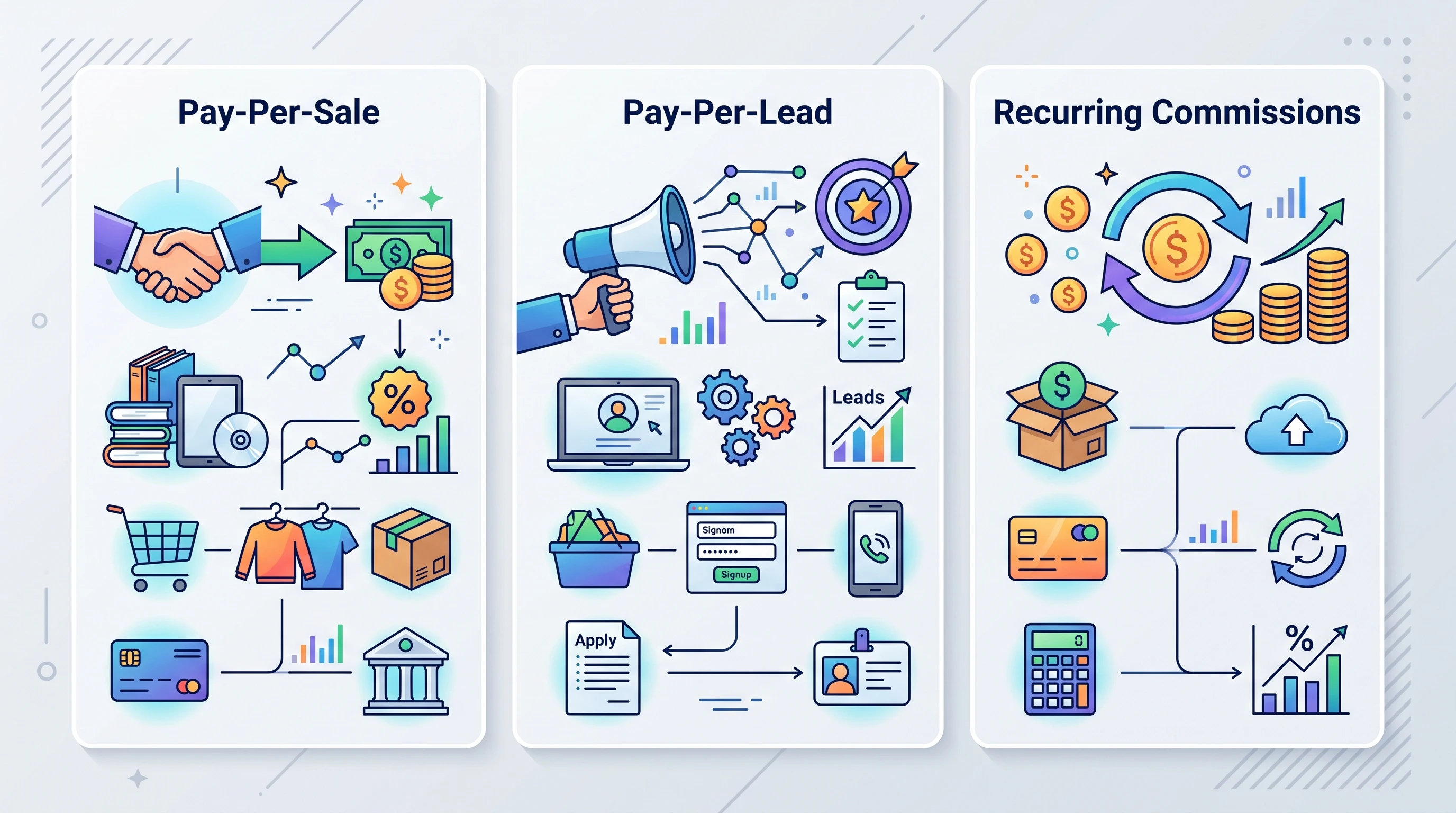
Not all affiliate programs use the same payout formula. I often see these main models:
- Pay per sale (PPS): The most common model, where I earn a commission when someone buys something after clicking my link. The rate varies widely, from about 1% for electronics to 50% or more for digital products.
- Pay per lead (PPL): Some companies pay when my referral signs up for a free trial, completes a form, or begins the onboarding process. This is pretty common in financial services and SaaS (Software as a Service) businesses.
- Pay per click (PPC): This model is less common but appears in niches with high web traffic. I get paid every time someone clicks my link, regardless of whether they purchase.
Each structure leads to different earning opportunities. If promoting a high price software subscription with a recurring commission, you could earn more each month from just a few referrals. Meanwhile, a flat fee model works better for products people are likely to sign up for quickly, like app installs or lowbarrier services.
Should I Pick Programs With the Highest Commissions?
It’s very tempting to go after programs offering the highest percentage, but I will say that’s not always the best path. Sometimes, a product with a lower payout converts much better, making more money in the end. For example, Amazon’s commissions are often well under 10%, yet their brand power and seamless shopping experience mean more people click and buy.
Another thing I look at is the payment terms. Some networks set a high payout threshold or have delays on releasing payments. That makes a big difference in cash flow when I’m planning my business. On top of that, some programs offer bonuses or performance incentives, which can add up when I drive a lot of sales within a certain period.
To get an edge, it’s important to focus not just on the commission rate but also the brand’s reputation, customer service quality, and how smoothly the tracking technology works. Even a lowcommission product can add up fast if the brand is popular and trusted, generating more overall conversions.
Challenges to Watch Out for With Variable Commissions
There are some pitfalls to be aware of, too. Programs can change their commission rates with little notice, sometimes just as my campaigns start gaining traction. Reading the terms and keeping an eye on updates is really important. I’ve seen cases where rates dropped overnight, slashing earnings with no warning.
Some programs have detailed rules about how commissions are tracked. If cookies expire quickly or there’s a strict refund or return policy, I might miss out on commissions for sales that seemed secure. For programs offering lifetime or recurring payouts, I make sure to check whether the tracking stays intact even when customers switch devices or browsers.
Additionally, seasonal fluctuations like holiday shopping periods or endofquarter sales can cause rates to spike or drop. Keeping an eye on these trends helps me adjust my strategy and keep earnings consistent.
Profit Margin and Industry Norms
Affiliate marketing doesn’t work the same in every sector. In industries like fashion, commissions might be lower because of high competition and lower repeat buying. But in sectors like tech education or web hosting, rates are often higher because lifetime customer value is bigger and the customers tend to stick around.
Here are some real numbers I’ve come across:
- Physical goods (retail, electronics): 2%–10%
- Fashion and beauty: 4%–15%
- Digital subscriptions: 15%–50% (onetime or recurring)
- Online services or courses: 20%–40% or flat fees up to $100 or more
- Financial products (credit cards, loans): often $50–$150 per approved lead
These ranges can look great on paper, but actual payouts depend on how well you match your audience to the offer. For example, a niche blog about personal finance will convert better for financial products than for beauty accessories.
How Companies Decide What to Pay Affiliates
Behind the scenes, brands use a formula based on their costs, average customer lifespan, and the marketing budget. If a brand knows that their average customer sticks around for a year and spends $1,000 total, they might be willing to offer me a large upfront bonus or even a recurring monthly payment. On the other hand, merchants selling budget gadgets might not have much left after covering shipping and returns, leading to lower rates.
A few other deciding factors include:
- How much a brand spends on other advertising
- If they use affiliate partnerships to test new products
- The time of year or stage of business growth
- Ongoing promotions and special campaigns
This is why commission rates sometimes spike during holidays, launches, or clearance events. Brands want to get extra traffic through affiliates, so they’re willing to share more of the profits during those times.
Some brands even experiment with tiered commission structures, where your payout increases as you refer more customers. This game plan creates a winwin: I am motivated to send more traffic, and the brand rewards my growth as a partner.
Quick Tips for Choosing the Right Program
Selecting affiliate programs that actually pay off means balancing commission rates, conversion likelihood, and how closely the offer aligns with my audience.
- Know Your Audience: The more I match a product to my readers’ interests, the better chance I have for high conversions, even if the commission rate isn’t the biggest.
- Understand the Payout Structure: Whether it’s onetime, recurring, or payperlead, knowing how and when I’ll get paid helps avoid surprises.
- Keep an Eye on Updates: Stay subscribed to partner newsletters so I hear about any commission changes.
- Test and Compare: Sometimes a little experimentation, trying similar programs side by side, shows which offers bring in more actual income.
- Read the Fine Print: Checking cookie duration, refund policies, and payment thresholds saves headaches later.
Building strong relationships with affiliate managers is also helpful. They can clue me in on seasonal promotions or upcoming product launches that give me a potential earnings boost.
Examples of Affiliate Commission Variations
Some of the biggest differences in commissions show up when I move between product categories. Promoting a niche online software tool could bring in a $50 recurring monthly payout, while dozens of clothing sales might barely match that for a whole year. Here are some general examples from my own experience:
- Recommending a popular web hosting company brings a one time payment from $65 to $200 based on plan type.
- Fashion retailers usually offer 5%–10% per sale but drive higher total volume during their sales seasons.
- Financial affiliate programs pay flat fees for approved leads, which can make for a reliable payday even if not every visitor will convert.
It’s rewarding when I find the right match where commission rates, quality offers, and genuine audience interest meet. Taking time to test, track, and adjust my approach across categories really helps maximize longterm affiliate income.
Frequently Asked Questions
Here are some common questions individuals have when exploring affiliate commission rates:
Question: Why do two companies selling the same type of product offer different commissions?
Answer: Brands set their affiliate rates based on their specific costs, growth goals, and what they believe will motivate partners to promote their products best.
Question: Are recurring commissions better than onetime payouts?
Answer: Recurring payments can lead to steadier longterm income, but it depends on how long customers keep their subscriptions. Programs with strong customer retention usually work better with recurring models.
Question: How do I find out the commission rates before joining a program?
Answer: Most affiliate networks publish rates on their signup or program details pages. Others may require you to apply and log in to access full information.
Final Thoughts
Choosing affiliate programs based on commission rates alone doesn’t always guarantee the best results. Balancing payout amounts, conversion rates, and product fit keep my affiliate earnings healthy and growing. Getting familiar with terms, monitoring commission changes, and building relationships with programs that value their partners help me build reliable streams of online income.