
Affiliate marketing can absolutely open up plenty of opportunities for people looking to earn income online. While some people achieve fantastic results, others find it tough to gain traction. Over the 6+ months, I noticed that one thing that really influences your outcome is the niche you choose to work in. Some niches seem to produce success stories everywhere, while others have more stories of struggle. In this article, I’m going to break down why affiliate marketing success rates differ by niche, and what you can realistically expect as you pick your spot in the industry.
Why the Niche You Choose Matters in Affiliate Marketing
The choice of your niche shapes your affiliate marketing adventure from the very start. Each niche comes with its own level of competition, earning potential, and challenges. Many beginners get caught up in chasing the highest commissions or the most popular products, but in my experience so far, success comes down to matching your interests with real market demand. Researching trends and understanding what people need in a niche anchors your efforts and makes your content more genuine.
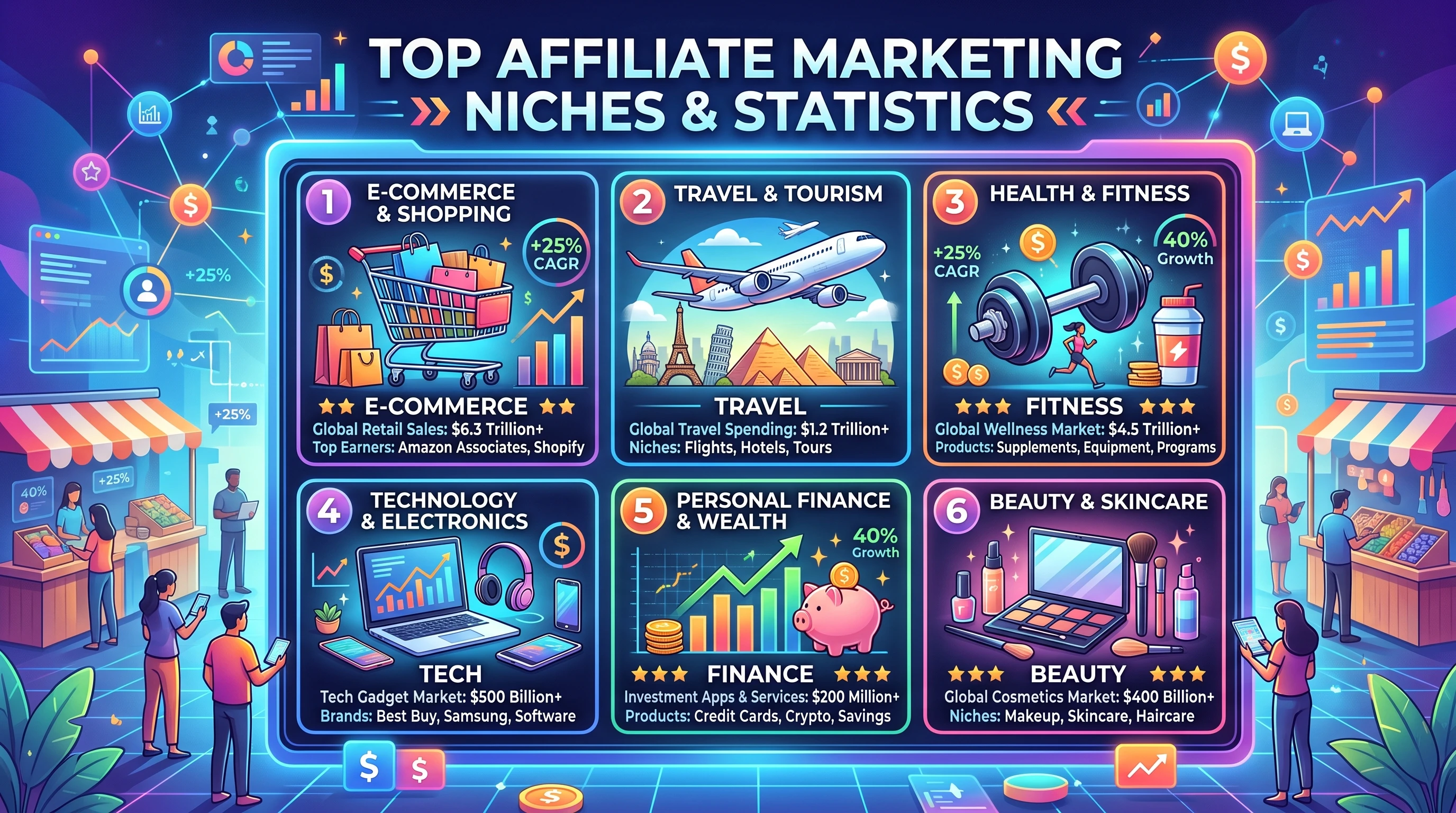
There’s a wide range of statistics on affiliate marketing success, and one thing most reports agree on is that results vary by the niche. Some niches are driven by needs that people can’t avoid, like health or personal finance, which can make their audiences much more responsive. Other niches might be more hobby-focused or luxury, attracting smaller, less motivated crowds. Assessing these differences up front can save you a lot of time and effort later.
Niches also attract different types of marketers. Technology, for example, draws people who are already pretty tech-savvy and know how to drive SEO. On the other hand, lifestyle or hobby niches might attract people with great content skills but less background in promotion. This difference affects overall conversion rates, advertising expenses, and even which platforms work best for your campaigns. Picking a niche that fits your skills and interests can make or break your journey.
Market Demand, Profit Potential, and Audience Intent
Understanding the market demand is super important when weighing on different niches. In my work, niches with steady or growing traffic (like weight loss or investments) tend to convert better because there are always new people searching for solutions. These niches do have more products or services with affiliate programs, which opens up more earning options.
Audience intent also shapes your results. For instance, people searching for “best treadmill for home gym” are usually close to making a purchase, making a conversion more likely. On the other hand, visitors to a general fitness blog might just be looking for inspiration or tips, and are not ready to buy. Niches with high intent often mean higher commissions and more consistent sales throughout the year.
The flip side is profit potential. Not every in demand niche pays well. For example, fitness products often pay lower commission rates and have high competition, so you might need to make a lot of sales to see solid income. In contrast, software and financial products usually have higher payouts and sometimes recurring commissions, so fewer sales are needed to earn a livable wage. Understanding your niche’s typical profit margins helps map out realistic earning goals.
Competition and Entry Barriers in Different Niches
Some of the toughest niches, like health or finance, are packed with very well established marketers. Getting your site or channel to rank, and building trust with your audience, can be a big uphill climb. I’ve seen many new affiliates get discouraged by slow growth in these spaces, and often underestimate the amount of quality content and SEO effort required to make a mark.
Lower competition niches can be easier for beginners to break into, but they usually have lower traffic or smaller audiences. For example, hobbies like knitting or aquarium care might not attract massive search volumes, but dedicated fans in these smaller groups support steady, lower-volume sales if you build a real sense of community.
Assessing Competition:
- High Competition Niches: Health, wellness, loans, tech gadgets
- Medium Competition Niches: Outdoor gear, online education, beauty
- Low Competition Niches: Specialized DIY projects, hobby-based niches, micro niche pet care
Tools like Google Trends, Ahrefs, and SEMrush help spot trends and size up the competition, offering real numbers to back up your choices. This can help you set realistic expectations about the effort required and the potential returns in your chosen niche.
Commission Structures and Program Quality
The way affiliate commissions are structured can be very different depending on the niche you choose. Electronics and apparel, for example, pay out only a small part of each sale. Others, such as web hosting or business services, offer recurring revenue or high flat payouts. It’s important to look at not just the rate, but also the average order size and how often people make purchases in your niche.
The quality of affiliate programs also matters. In tech and finance, you’ll find robust partner portals, detailed reporting, and plenty of marketing support. In contrast, new or niche affiliate programs may be less developed, which can make tracking and scaling much tougher. I always look for established programs with reliable tracking, consistent communication, and on time payments. This helps maintain steady cash flow once momentum grows.
Examples of Commission Differences
- Physical Products: 2-10% commission rates, usually one time
- Digital Products: 20-50% commission, sometimes with recurring options
- Services (like SaaS): Flat rate or recurring monthly payouts
- Finance/Insurance: Often $50-$200+ per sign up, but highly competitive
Audience Trust and Content Strategy by Niche
Trust is key in affiliate marketing, especially in sensitive areas like health or finance. I’ve seen that creating detailed, fact-checked content builds trust with audiences over time. Niches that require lots of research, or where stakes are high for the user, demand extra transparency and accuracy. Never cut corners here—your reputation is on the line.
Building an email list, running a YouTube channel, or maintaining an active social group work well in niches with tight communities, like gaming or crafting. In broader niches, strong SEO and consistent blog updates, along with trustworthy reviews, tend to work best. Choose the content type that you enjoy and fits your niche’s audience habits.
Common Strategies by Niche
- Tech and Software: Tutorials, detailed reviews, comparison articles
- Personal Finance: Step-by-step guides, tools, calculators, real user stories
- Lifestyle/Hobby: Inspiration, community stories, how to guides
Focusing on what best helps your audience in a given niche gives your content an edge in both rankings and conversions.
External Factors That Impact Success
Affiliate marketing trends switch up regularly, and outside factors like platform updates, regulation changes, or even cultural trends can impact niches in unexpected ways. For example, Google’s algorithm shifts often hit health related content harder because of its focus on expertise and trust. One update can upend rankings overnight.
Affiliate programs sometimes change their terms or even shut down, especially in more volatile markets such as cryptocurrency or emerging tech. Keeping up with these changes really matters, and I find it helpful to follow official affiliate forums and news sources, so you aren’t caught off guard.
Examples of External Impacts
- Platform Policy Changes: Social media ad rules, YouTube demonetization, Google updates
- Regulation: Disclosures, privacy laws, FTC or GDPR updates
- Product Cycles: Seasonality for retail, new product launches, or hype cycles (like trending diets)
FAQ: Common Questions About Niche Differences in Affiliate Marketing
Question: Is it better to start in a high paying niche or a topic I’m passionate about?
Answer: While high paying niches are tempting, I find that working in a niche you’re genuinely interested in keeps motivation high when early results are slow. When you combine real interest with research into audience needs, it’s easier to create standout content and stay consistent.
Question: How do I know if a niche is too saturated?
Answer: If top search results are dominated by massive brands or sites with thousands of backlinks, and paid ads are everywhere, you’re probably facing high saturation. Look for overlooked questions, sub niches, or underserved groups to get around this. Running keyword analysis and checking forums or social groups can reveal untapped opportunities.
Question: Can you make good money in a small niche?
Answer: Smaller niches can be profitable if the audience is loyal and spends money on related products or services. Niche depth, audience engagement, and specialized offers can make up for lower total search volume and provide a steady stream of commissions for years.
Practical Examples: Affiliate Marketing in Different Niches
Through my work to this point, I’ve seen clear differences in how niches affect affiliate results. In tech, a beginner blogger focused on detailed reviews of a handful of mid-priced gadgets, and reached steady commissions within six months by ranking for long-tail keywords. Meanwhile, a friend who got into weight loss supplements needed two years to build a large enough audience to see comparable results, mainly because of tougher competition and stricter ad policies.
Other successful affiliates in smaller niches, like specialty birdwatching equipment, built close knit communities and got consistent, if smaller, monthly sales because their audience trusted them as a knowledgeable friend. It’s not always about traffic volume, but about matching the right product with a loyal audience.
- Tech review: High search intent, moderate commission, SEO focused work
- Weight loss: Huge audience, strict ad rules, lower commission, lots of competition
- Specialty hobby: Small audience, high trust, steady but lower volume of sales
What to Keep in Mind Before Getting Into a Niche
Choosing your affiliate marketing niche sets the stage for everything that follows. I recommend making a list of your own personal interests and strengths, then researching popular affiliate programs and related keywords. Look for spaces where you can truly serve a need and enjoy learning and growing over time. Balancing competition with audience loyalty is really important, especially if you want to stick with your site or channel long term. Don’t be afraid to start small and narrow your focus as you learn more about which products and content your audience likes best.
As you get started, invest time in learning about different affiliate program structures, common marketing tactics for each niche, and recent trends that could impact your results. These steps help you spot both risks and opportunities early on, and set you up for steady progress in your affiliate marketing adventure.