
Building an email list for an affiliate website is honestly one of the smartest moves anyone can make. Using email gives you a direct line to your audience and opens up so many possibilities for deeper connections, repeat visits, and real sales. You’re not reliant on everchanging social media or search engine rules. If you’re not tapping into email yet, you’re missing out on a goldmine. Here’s how I’ve tackled building strong, engaged lists for my own affiliate projects, step by step.
Why an Email List Matters for Affiliate Websites
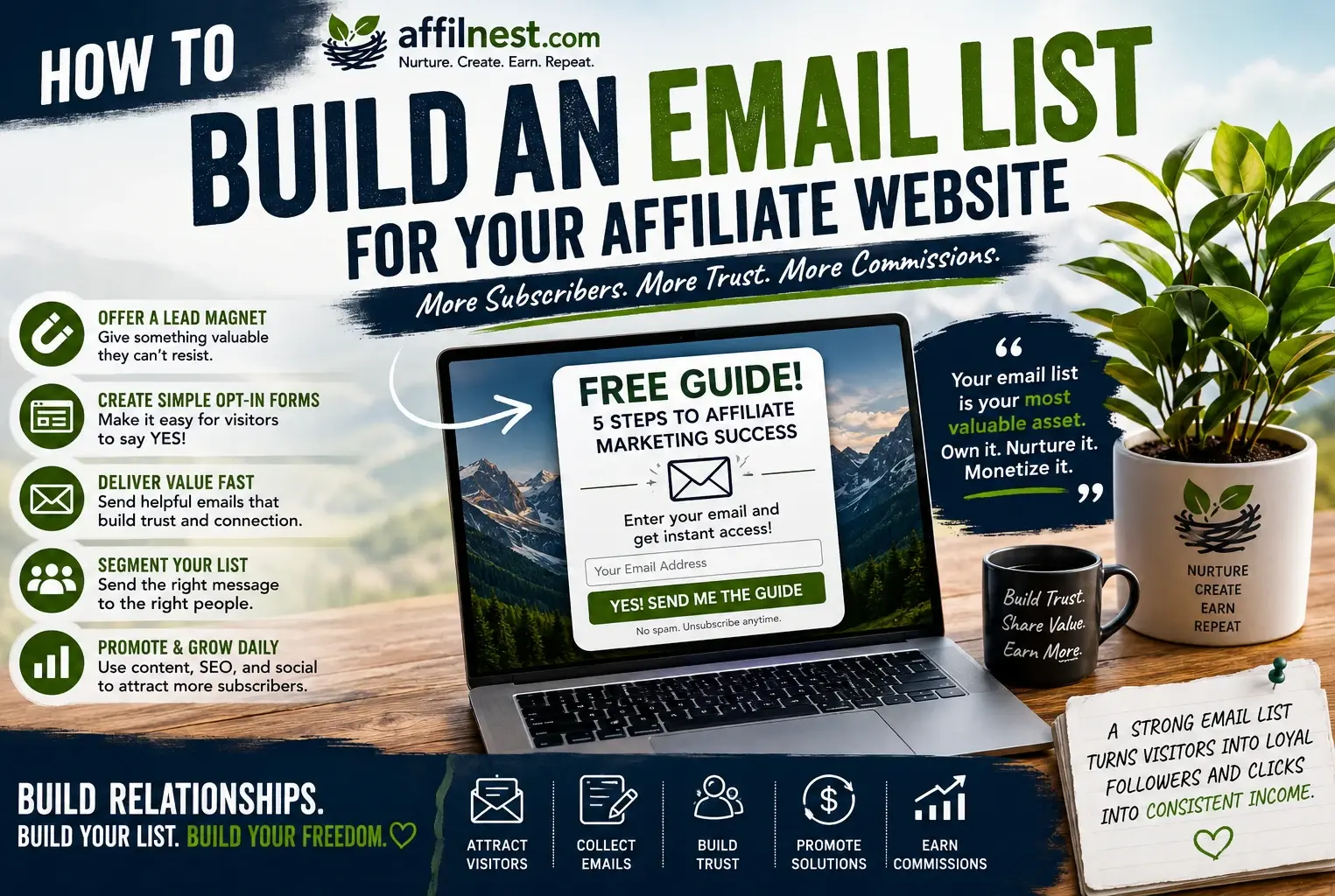
Having an email list attached to your affiliate website gives you control in ways that algorithms simply just can’t. For one, you’re not at the mercy of organic reach or paid ad budgets; your subscribers are all yours to reach whenever you want. More importantly, emails can drive more revenue from people who already trust you. You get to build lasting relationships, share your newest content, and recommend products without any middleman.
Affiliate marketers have seen email consistently outperform other channels when it comes to getting repeat clicks and commissions. Studies from the email marketing industry show ROI numbers that are tough to beat, sometimes up to $40 made for every $1 spent. While results vary, there’s no question about how powerful email can be for affiliate sites, whether you promote physical products, software, or digital courses.
Core Tools and Set Up for Affiliate Email Marketing
Before you can start collecting emails, you do need the right tools. Think of these as the basics that get everything running smoothly behind the scenes.
- Email Service Provider (ESP): Something like Wealthy Affiliate, ConvertKit, MailerLite, or AWeber is pretty handy for example. Platforms like these make managing your list a breeze, from sending out campaigns to setting up automations.
- Signup Forms or Landing Pages: Embedding opt-in forms on your site or creating dedicated landing pages makes capturing emails super simple. Most ESPs include easy drag and drop builders for these.
- Lead Magnet (more on this soon): Giving people a good reason to join (like a free ebook or checklist) will bump your signup rate big time.
Don’t worry if you’re new to this software; most ESPs make the setup process as smooth as possible, with plenty of guides. The main goal is making sure people can sign up quickly and that you’re able to email them whenever there’s something to share.
Ways to Attract Subscribers: Lead Magnets That Work
If you really want people to hand over their email, you’ll probably need to offer something in return. This freebie or “lead magnet” is key. I’ve seen strong results using things like:
- Cheat Sheets and Checklists: Quick, actionable downloads that help your visitors get results faster in your niche.
- Email Courses: A short series of lessons sent automatically over a week or two. Great for building trust and showing expertise.
- Discount Codes: If you’re an affiliate for products that offer coupons, passing these savings to your subscribers is always a win.
- Exclusive Guides or Mini Ebooks: Go a bit more indepth on a topic your readers care about.
- Resource Libraries: A collection of useful tools, templates, or guides delivered behind a signup wall.
The best lead magnet is something your audience can actually use; a quick win that aligns with the affiliate offers you promote. For example, if you’re in the fitness niche, a free meal plan or workout calendar is a solid bet. In tech, maybe a software comparison chart or discount aggregator will do the trick.
If you’re struggling to come up with a unique lead magnet, take a look at what your competitors offer and think about how you could give it a unique spin or combine resources into a toolbox your audience doesn’t get anywhere else. You could also check out forums and communities related to your niche to see what your target audience frequently asks for, then put together a simple solution as your lead magnet.
Practical Steps to Getting Your First Subscribers
Once everything’s set up, here’s how I recommend to get the ball rolling:
- Put Optin Forms in Smart Spots: Don’t hide your signup form at the bottom of your site! Place forms where people will actually see them, like above the fold on your main pages, within your blog content, and at the end of product reviews.
- Create Targeted Landing Pages: Build pages that are focused on one specific offer or lead magnet. Link to these from your content, social profiles, or even your YouTube channel description.
- Run Simple Giveaways: Running a giveaway that requires an email signup can get you a boost; just make sure the prize is relevant to your site’s main topics.
- Social Media Callouts: It’s worth sharing your lead magnet on Instagram, Twitter, Pinterest, or wherever you have a following. You can say something like “Download my free guide here” with a link to your signup page.
- Relevant Pop Ups: While pop ups sometimes get a bad rep, tasteful and well timed versions (like exit intent or after scrolling halfway down the page) can add a steady stream of new subs. Just avoid anything too spammy.
Being proactive really helps. You’ll find that people sometimes need to see the offer more than once before signing up, so it’s worth putting forms and reminders in more than one spot around your site. Also, test different colors, placements, and wording to see what works best for your audience.
Avoiding Common Pitfalls (and How to Fix Them)
List building can have its bumps. Here’s what to watch for:
- Low Signup Rates: If signups feel slow, try tweaking your lead magnet headline, button text, or even the shape or design of your form. Sometimes even small changes make a big difference. Survey your visitors to see what might motivate them to sign up.
- Fake or Disengaged Emails: Some people just want your freebie and bounce. To keep your list clean, use double optin (they confirm their interest via email before joining fully).
- Legal Stuff: You’ll want to follow data privacy laws like GDPR (for Europe) or CANSPAM (for the US). Main thing is to be clear that people are signing up for emails and that you respect their privacy. Most ESPs have settings to help with this.
It’s also a good idea to check how mobile friendly your signups are. If your forms don’t look good on phones, you’re missing a big chunk of potential subscribers. Test your forms on different devices, and use simple, bright buttons to make conversion as easy as possible. Remember, clear instructions on what happens after signup can help reduce confusion and increase trust.
Engaging and Growing Your List Over Time
Building a list is just the start; the real win comes from keeping subscribers interested. Here’s what I’ve found works:
- Send Regular ValueFirst Emails: Don’t just pitch products. Share new blog posts, curated resources, or tips related to your site’s niche.
- Automate Welcome Sequences: Create a series of emails that introduce new subscribers to your site, guide them through popular resources, and gently introduce affiliate recommendations.
- Test Different Types of Content: Try sending occasional polls, roundups, or case studies. It keeps things fresh for your audience and lets you see what they respond to best.
- Track What Works: Pay attention to your open and click rates. If emails with product comparisons or tutorials perform well, send more in that style and drop what doesn’t resonate.
Another tip: ask your subscribers what they want to learn about or what questions they have, and feature answers in your newsletters. When you deliver value and build trust, people are happy to open your emails and consider your recommendations. Over time, your list becomes a real asset, and you can promote highquality affiliate offers with confidence.
Real World Examples of Affiliate Email List Success
To give you a sense of how this can work, here are a couple of simple examples:
- Case 1: A personal finance affiliate site offered a “20 Money Hacks Checklist” as a free download. Not only did signups jump, but readers stuck around for a weekly newsletter with new financial tips and relevant credit card offers.
- Case 2: A tech review blog linked exclusive deals and early access giveaways to their list, resulting in much higher conversion rates for their featured products.
I’ve personally seen “resource library” lead magnets work wonders for niche software and course affiliate sites. People love getting ongoing freebies or exclusive tools via email; they’re more likely to click your links when they know you’re there to help them out, not just make a quick commission. If you build trust first, your list will turn into a go-to audience for every product launch or review you share.
Frequently Asked Questions
Question: How often should I email my list?
Answer: Once per week is a good default, but you can adjust based on your audience’s feedback and engagement. Consistency usually matters more than frequency.
Question: What’s the biggest mistake beginners make when building lists?
Answer: Focusing only on getting subscribers and not thinking about how to keep them engaged. Always give value, even in your welcome sequence or first autoresponder emails.
Question: Can I use email marketing for affiliate links?
Answer: Yes, but always be transparent and follow both your ESP’s and affiliate program’s rules. It helps to blend promotions with educational or useful content for stronger results.
Key Takeaways for Affiliate Email List Building
Growing an email list for your affiliate website doesn’t need to be complicated or overwhelming. Start with a solid lead magnet, put signup opportunities in front of your visitors, and keep providing real value after they subscribe. With a bit of patience and some tweaks along the way, you’ll have a responsive list that gives your affiliate business a boost for the long term. It will also set you free from the ups and downs of relying solely on changing traffic sources.
Stick with it, keep learning what your subscribers care about, and remember: your email list is a real business asset you control. That’s a pretty good feeling in today’s online world.