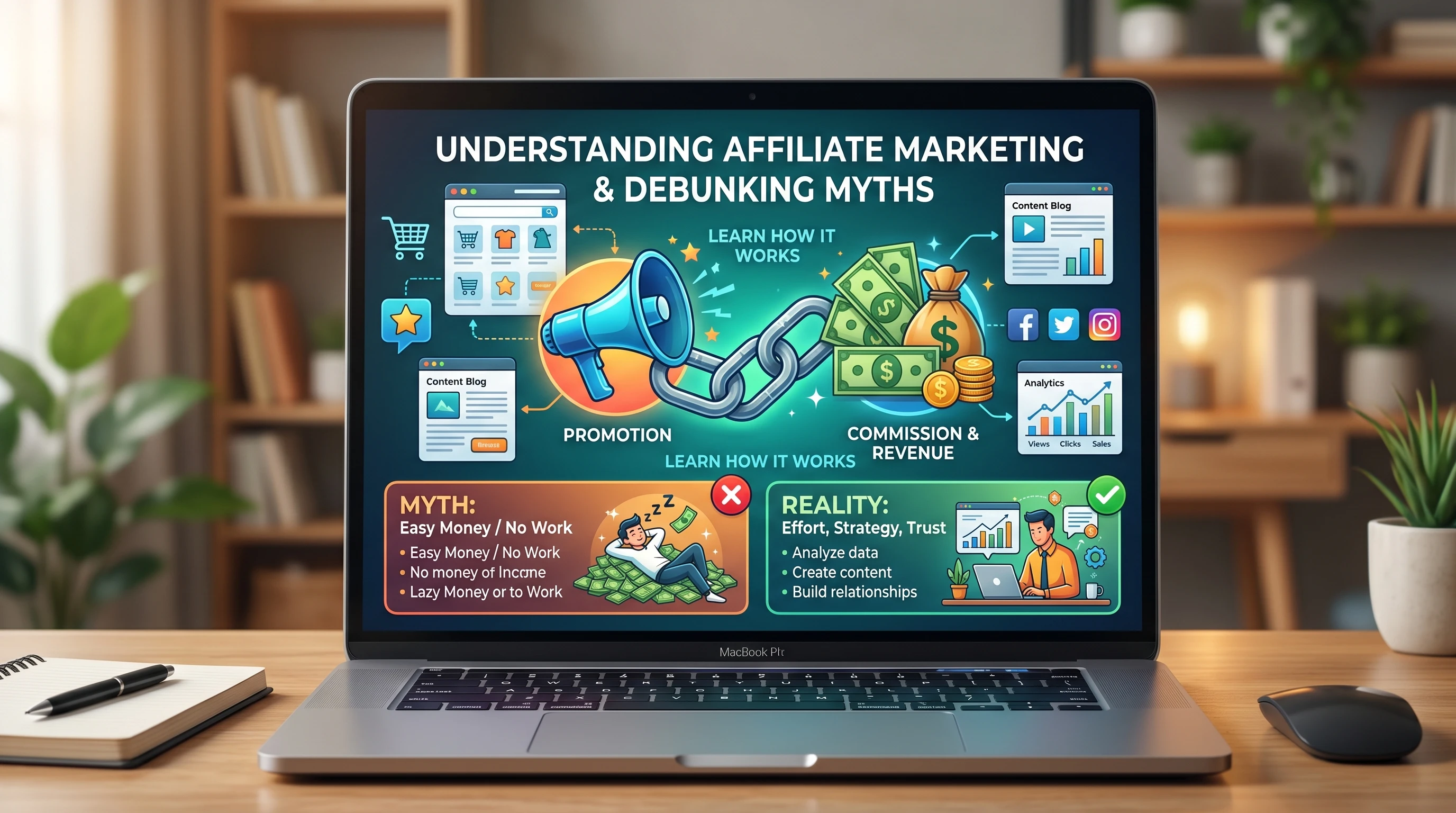
Affiliate marketing sounds like an easy way to make money online, but there’s a lot of confusion around what’s real and what’s just hype. Over the years, I’ve seen some pretty wild misunderstandings about affiliate marketing, and they can trip up newcomers or even keep people from getting started. It’s worth clearing up some of the most common myths so you know exactly what to expect and how to give yourself the best shot at success.
https://www.wealthyaffiliate.com?a_aid=18e69c44
Most Common Myths About Affiliate Marketing
Affiliate marketing has become a popular topic for people looking to earn extra income online. With so many blogs, YouTube videos, and self-proclaimed experts out there, misinformation spreads quickly. I keep hearing the same half-truths, and straight-up myths, over and over. Knowing what’s real helps you avoid wasting time, money, and energy chasing things that don’t work.
The affiliate marketing industry is worth billions globally, with big brands regularly using affiliates in their marketing strategies. Despite how established the space is, there are still some beliefs that just refuse to disappear. Getting a realistic picture helps set the right expectations and can help you make smarter choices.
So here’s a closer look at the common myths I wish more people understood, and why they don’t hold up.
Myth 1: Affiliate Marketing Is Fast, Easy Money
The idea that you can set up a few links and sit back as thousands of dollars roll in is everywhere. I’ve met so many people who started with this expectation and ended up disappointed pretty quickly. Most successful affiliates put in a lot of work upfront, setting up websites, learning SEO, creating original content, and genuinely helping their audience.
It takes time to earn trust and start seeing results. While some niche markets offer quicker results, the usual path involves a lot of trial and error. Building real traffic and a loyal audience doesn’t happen overnight. If you expect easy cash, you’ll probably lose steam before you see any real income.
Myth 2: You Need a Huge Audience to Make Money
There’s talk everywhere about building massive social media followings or running giant email lists. You might think affiliate income is only possible for people with thousands of followers. In reality, smaller audiences can do really well too, if they’re engaged and you’re giving them what they want.
I’ve met folks running tightknit Facebook groups or niche blogs with a few hundred loyal readers who consistently earn monthly commissions. The focus shifts from volume to value. If your audience trusts your recommendations and you give them good advice, you don’t need to compete with the biggest names.
Myth 3: Affiliate Marketing Is Passive Income
Everybody loves the idea of passive income. It’s tempting to think affiliate marketing is a way to earn money without constant effort. In reality, there’s always ongoing work: updating content, testing new products, monitoring what’s working, and adapting to trends and algorithm updates.
Some older content might keep earning a little bit over time, but most successful affiliate marketers regularly check in and improve their work. Search engines update their algorithms, and affiliate programs change their rules. Staying consistent pays off more than expecting longterm results from onetime efforts.
Myth 4: It’s All About Promoting the Highest Paying Offers
Looking for highcommission products seems smart at first, but it’s not always the best way to go. Sometimes those offers aren’t that relevant to your audience, or they have a reputation for being low quality. I’ve had better longterm results focusing on products that actually solve problems for my readers, even if they pay less per sale.
Highticket offers can be tempting, but recommending the wrong products can hurt your reputation and cost you trust. Repeat sales and referrals happen when readers feel like you’re genuinely helping them, not just pushing whatever pays the most.
Myth 5: You Don’t Need to Disclose Affiliate Links
I still see people skipping over disclosures, hoping to blend affiliate links into their content. In the United States and many other countries, you’re legally required to let readers know when you’re using affiliate links. Even beyond legal rules, hiding them risks losing trust.
An honest disclosure up front reassures your audience that you value transparency. Most readers don’t mind that you might earn a commission; what matters is that you’re open about it and your recommendations are genuine.
Getting Started: What New Affiliates Should Know
After sorting out fact from fiction, getting started feels a lot more approachable. Here are a few practical steps if you’re new to affiliate marketing:
- Pick a Niche: Choose a topic you enjoy or have experience with. Sticking with something familiar helps when creating content and recommending products. Picking a niche you can talk about easily makes longterm progress much more manageable.
- Choose Reliable Affiliate Programs: Check reviews and look for programs with a good track record of paying commissions and supporting affiliates. Be cautious with programs that sound too good to be true.
- Create Helpful Content: Focus on solving real problems for your readers. Tutorials, reviews, and comparison guides are super useful for audiences doing research.
- Learn Basic SEO: Even a little bit of SEO knowledge helps content get found through search engines. Tools like Google Keyword Planner or Ahrefs free tools are worth checking out. Knowing how to use keywords and analyze search intent can boost your chances of getting noticed.
- Track What Works: Use analytics to keep tabs on which links and pages bring in the most commissions. Tweak your approach based on what’s actually working. Try out different calls to action, monitor user behavior, and adjust your strategies as you learn more about your audience’s preferences.
Common Pitfalls and How To Avoid Them
Even with realistic expectations, it’s easy to fall for some classic traps. Here are a couple of things I always point out to new affiliates:
- Chasing Too Many Programs at Once: It’s easy to apply for every program you see, but managing a bunch of offers gets messy fast. Sticking to a handful lets you focus on quality content and higher conversions instead of juggling too many links.
- Promoting Stuff You Wouldn’t Use: If you haven’t tried a product or wouldn’t recommend it to a friend, it’s probably better to skip it. Readers can usually tell when a pitch isn’t authentic, and trust is essential for longterm success.
- Ignoring Updates and Changes: Programs, pay rates, and algorithms change regularly. Checking your affiliate dashboards and reading updates from your partners makes sure you catch any changes or surprises early and can adjust as needed.
Legal and Ethical Considerations
Following the rules helps avoid headaches and builds credibility. Here’s what I always keep in mind:
- Disclosure: Like I touched on earlier, proper disclosure isn’t just polite; it’s the law. A simple note on your post or before the first affiliate link covers you and keeps everything aboveboard.
- Originality: Copying reviews or articles from other sites rarely ends well. Writing your own reviews and sharing personal experiences offers way more value, ranks better with search engines, and sets you apart.
- Privacy and Data Practices: Collecting emails or using cookies? Always let readers know about your privacy practices and data tracking per the relevant regulations (like GDPR if you have EU visitors). Providing a clear policy and communicating it builds trust with your audience.
How to Find Credible Products and Programs
With scams and flaky offers floating around, picking good affiliate partners matters a lot. Here’s how I sort through the noise and stick with trustworthy programs:
- Read Real Reviews: Look beyond the affiliate program’s website. Independent forums and customer ratings help spot red flags quickly so you can avoid trouble.
- Contact Support: Test how responsive the affiliate partner’s support team is. Fast, clear communication means you’ll have help if things go wrong or you have questions later.
- Check Payment History: Make sure your affiliate partner has a reputation for paying out commissions on time. Wellknown networks like Amazon Associates, ShareASale, or Rakuten are usually safe bets, especially for beginners.
- Evaluate the Fit: Think about whether the products actually align with your niche, values, and audience needs. Promoting items you genuinely stand behind will pay off over time in repeat visitors and referrals.
FAQ: Quick Answers to Affiliate Marketing Questions
Is affiliate marketing still worth it in 2024?
Absolutely, but it takes patience and staying on top of trends. With so many tools and niches out there, there’s space for newcomers who focus on value offered to their audience, not just commissions.
Can I do affiliate marketing without a website?
Some programs allow social media or YouTube promotions, but having a website gives you way more control and opens up more options. A website also allows you to build authority and maintain your content over time.
What’s a realistic income timeline?
Most people take a few months to see the first commission. Earning regular payouts often takes at least 6-12 months of steady work, depending on your niche, effort, and how well you serve your audience. Consistency pays off, so stick with it!
Final Thoughts
Affiliate marketing isn’t a shortcut to riches, but it’s a real way to build extra income, or even a full-time business, with the right approach. Avoiding common myths gives you a better shot at reaching your goals and enjoying the process along the way. Focus on helping your audience, stay honest, and keep testing new ideas until you find what works for you.
If you’re on the fence, starting small and learning as you go is honestly the best way to see if it’s a good fit for your style. There’s more than enough opportunity to go around, and your unique approach is what makes affiliate marketing interesting in the first place. Keep learning, don’t get discouraged by slow results, and remember that every step you take builds the foundation for future success. If you have any questions about what was discussed above I would be happy to discuss in the comments below.