
Cookie duration often comes up in affiliate marketing, but a lot of folks new to the game still overlook how big of a deal it really is. Basically, cookie duration sets the timeframe during which you get credit for a sale after someone clicks your affiliate link. If you’re aiming to earn steady commission, knowing exactly how cookie duration works gives you more control so you can choose programs that help you earn more over time.
What Cookie Duration Is (And Why Affiliates Care)
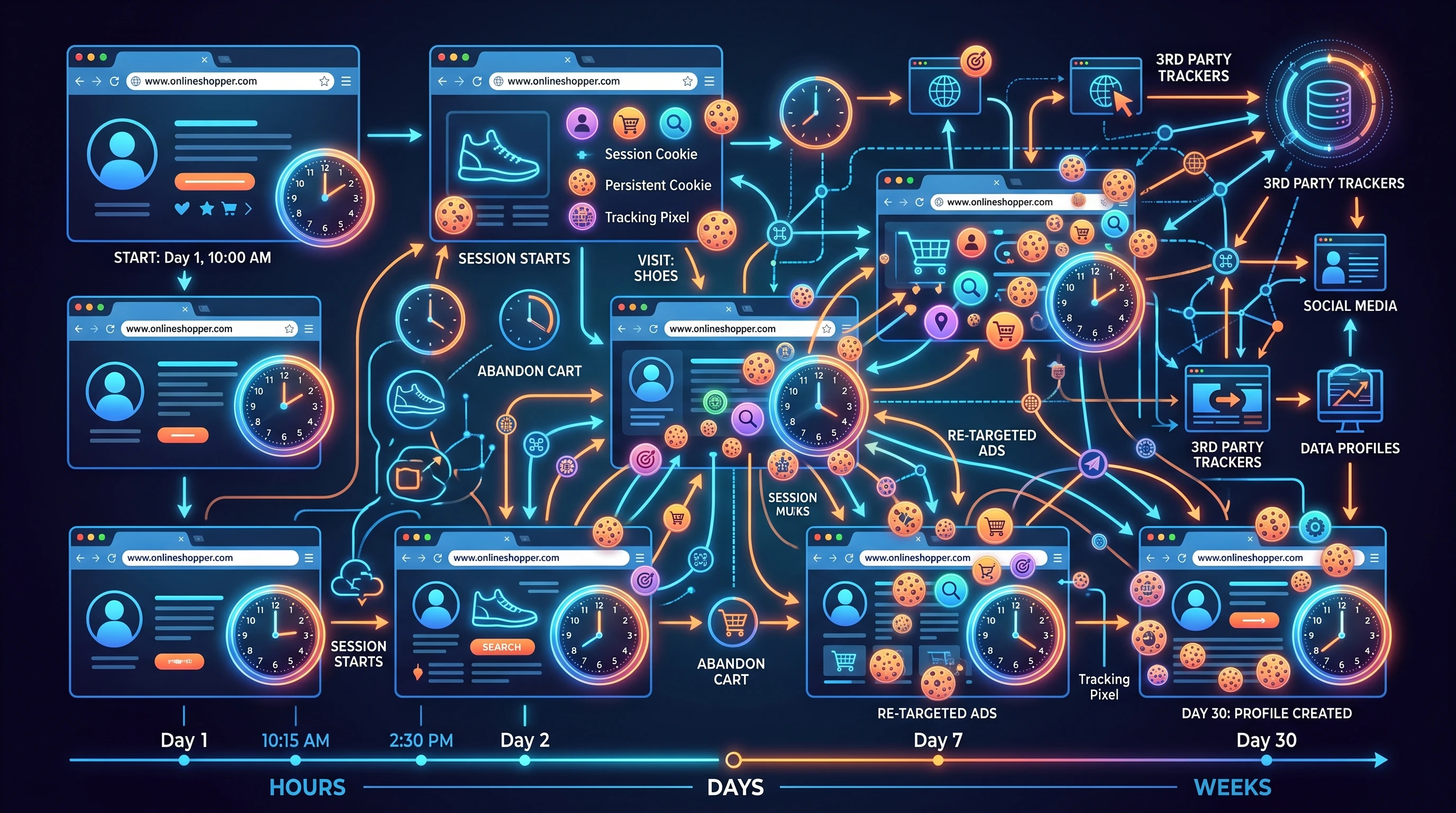
Cookie duration is the defined window when a merchant will attribute a user’s purchase back to your affiliate link. It’s tracked with a small digital “cookie” dropped in the visitor’s browser when they click your link. If they buy anything within that timeframe, you get the commission. Even if they don’t buy right away, that delay between the click and the purchase is where cookie duration plays its key role for affiliates like me.
Cookie duration varies a lot by program and can range from 24 hours to 30 days, sometimes even longer for high value brands. Why does that matter? Because buying decisions aren’t always immediate. For example, if an online shopper needs time to consider their options, a longer cookie duration means you still get credit when they come back to buy. Short cookie windows, on the other hand, can mean missing out when people don’t purchase right away.
Major platforms like Amazon stick to 24-hour durations for most products, while specialized software brands might offer 30 days or more (source). Knowing how each program handles this part helps you pick the ones more likely to pay off with your marketing style. When you fully get a sense of these differences, you can really tweak your strategy for maximum results.
How Different Cookie Durations Shape Your Earnings
This little technical detail affects your income in pretty real ways. Here are some of the main cookie duration formats you’re likely to run into:
- Session Cookies: Only last while a visitor’s browser is open. Close the browser, and the cookie is gone. You only get credit for purchases made right then.
- ShortTerm Cookies: Anything from 24 hours to 7 days. You earn commission if someone purchases within that window after clicking your link. It’s common for physical product stores and large retailers.
- LongTerm Cookies: These last 30 days or more. Common in higher cost or subscription programs, since buyers need more time to decide.
- Lifetime Cookies: Rare, but some programs keep your cookie on the customer’s account indefinitely, so you get credit for all future purchases.
Longer cookie durations often mean more credit for delayed sales. For example, if someone clicks through on your review but needs a month to think about a $200 product, a 30-day cookie can make all the difference. That’s especially handy if you focus on higher ticket niches or write content that helps people make big decisions. Combined with strategies like email follow-ups or retargeting content, these extended durations give a boost to your earning power by keeping your link credited even as shoppers mull things over.
Short vs Long Cookie Durations: Pros and Cons
Both short and long cookie durations have their place. It depends on your audience and what you’re promoting. Here’s how I see it shake out:
- Short Duration (e.g., 24-hour):
-
- Good for: Impulse buy products, daily deals, or price sensitive shoppers who decide quickly.
- Challenge: You’ll miss a lot of commissions if buyers want to think about it before coming back.
- Long Duration (e.g., 30+ days):
-
- Good for: High value products, tech gear, B2B software, subscriptions; basically anything where people research and take time to decide.
- Challenge: If you rely on a lot of quickvisit traffic, the numbers might not stack up unless your content supports a careful buying ride.
If you’re building trust through detailed reviews, long cookie durations help that effort pay off. If your site leans heavily on deal aggregation, short cookies might be fine because your audience acts fast. Think on what your readers usually do and pick accordingly.
Real-Life Scenarios Where Cookie Duration Matters
Affiliate marketers often forget how everyday shopping habits affect their earnings. Here are a few examples from my own experience:
- I once wrote a super detailed comparison article about several online education platforms. It got readers thinking, but most didn’t register right away. With a 30-day cookie, I noticed signups and commission showing up weeks after my content went live. If the program used only a 24-hour cookie, I would’ve seen far fewer earnings.
- On the flip side, when I promoted flash sales for gadgets through a program with a 24-hour cookie, I got a burst of commissions on the same day. But anyone who clicked and came back the day after? No commission for me, even if I drove the click.
- For recurring subscription products (like SaaS tools), I noticed programs offering lifetime cookies or “last click” models built steady streams because former leads came back via my content months later.
Understanding your readers’ shopping habits helps you weigh what cookie length is best for your topic and style. Sometimes the way buyers behave will surprise you; experiment a bit to spot patterns.
Challenges Affiliates Face With Cookie Duration
Cookie duration isn’t foolproof. Here are some of the main hurdles I encounter with affiliate cookies, and a few tricks I’ve found to work around them:
- Overwriting Cookies: If multiple affiliates are sending traffic, sometimes the last link clicked overwrites any earlier cookie. This “last click wins” model is common, so you want your calltoaction to be the last step before someone heads to the merchant.
- Ad Blockers and Incognito Browsing: Privacy features can block or clear cookies, making it harder to get credited for sales. Not much you can do besides making sure your value is clear so people follow your links when they’re really ready.
- Device Switching: If a user clicks your link on a phone but completes the purchase on their laptop, some cookies won’t carry over. Crossdevice tracking is patchy across platforms, so clear CTAs and “save for later” reminders can help.
- Multiple Programs, Different Cookies: When promoting more than one program, it’s important to keep track of cookie policies for each so you understand where credit is going and when you might lose out.
Most of these hurdles can’t be controlled, but understanding how they work lets you plan smarter and set realistic expectations about conversion tracking. Regularly checking in on your analytics and traffic helps you adapt as your site grows and trends shift in the marketplace.
Tips to Maximize Your Affiliate Earnings With Cookie Duration
- Pick Programs With Competitive Cookie Durations: If you’re featuring high consideration products, look for programs with at least a 30-day cookie or lifetime customer mapping. For impulse buys, don’t worry as much about the duration.
- Drive Urgency in Your Content: Motivate people to act sooner with timesensitive deals or bonuses. This shortens the window for them to click others’ links and increases your chances of getting credit.
- Educate Your Audience: A subtle reminder to use your link when ready to buy can make a real difference. Sometimes a quick callout in your review or newsletter encourages readers to support you.
- Track Your Results: Use UTM tags or affiliate analytics to see when conversions are happening. This data reveals which kinds of content and cookie durations suit your audience best.
- Stay Updated: Affiliate programs sometimes update their terms. Keep an eye on cookie policies in case they change, so you’re always working with accurate info.
Mixing these approaches with knowledge of cookie duration will turn up your results and help you choose partnerships that reward your marketing style. Always be ready to experiment and learn from what your data shows over time.
Cookie Duration In Practice: Industry Examples
Here’s how cookie durations play out with different types of programs:
- Amazon Associates: 24-hour cookies, unless the product is directly added to cart; that gives you 90 days if the purchase is finished later.
- Bluehost Affiliate Program: 60-day cookies, fitting for web hosting since shoppers need time to research and compare.
- Wix and Squarespace: 30-day cookies, so you can get commission from trial signups who convert later.
- Software/SaaS Providers: Many, like Shopify or FreshBooks, offer 30-90 day or even lifetime cookies to support the longer sales cycles in these markets.
Program cookie policies are usually found on the affiliate signup page or in documentation. Taking a few minutes to check these up front is a good habit, letting you balance your portfolio smartly. For new affiliates, making a chart of cookie durations by program can be helpful when mapping out your approach.
Frequently Asked Questions
Question: Does a longer cookie duration guarantee more affiliate commission?
Answer: Not always. Longer duration just increases your chances of earning on delayed purchases, but your niche, the way buyers behave, and conversion rates all play a role.
Question: What happens if a buyer clicks on two affiliate links for the same product?
Answer: In most programs, the “lastclicked” affiliate link gets the credit. Timing and the order of clicks become really important for earning commission.
Question: How can I check a merchant’s cookie duration before joining?
Answer: Most affiliate programs list this in their terms, FAQ, or signup page. If it isn’t stated, ask the affiliate manager directly for info.
Final Thoughts
Cookie duration shapes how, when, and sometimes even if you get paid in affiliate marketing. By keeping an eye on the programs you pick, matching cookie windows to your audience style, and nudging buyers to act within that window, you give yourself a better shot at earning those affiliate payouts. Paying attention to cookie duration will help you make smarter choices and set expectations that actually match what’s happening with your links and traffic.
Keep tweaking your strategy, experiment with programs offering different cookie lengths, and track what works best for your style. Better understanding of this little detail adds up to bigger success down the road. Stay sharp, and let your insights guide your affiliate marketing game plan for the long haul.