
Affiliate marketing looks pretty simple on the surface, but things get tricky once compliance enters the picture. Keeping up with different rules, ad disclosures, network agreements, and changing laws can leave even experienced marketers scratching their heads. I’ve found that figuring out how to stay on the right side of the law (and the good side of affiliate partners) is one of the more frustrating, yet important, parts of running any affiliate campaign. Here’s a closer look at what makes compliance such a hassle in affiliate marketing, plus some tips for staying on track.
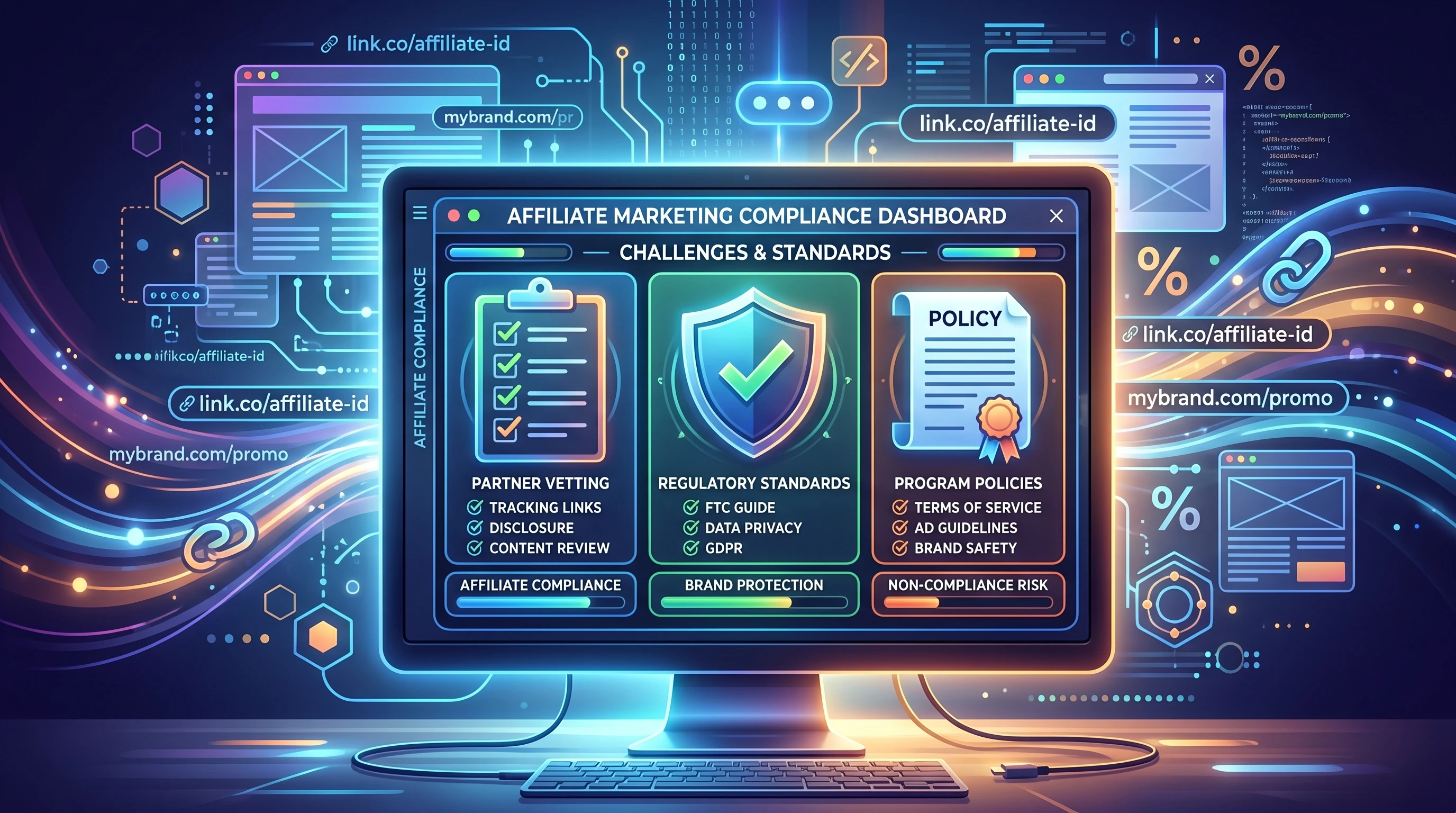
Why Compliance Matters for Affiliate Marketing
Affiliate marketing relies on trust between publishers, networks, advertisers, and the audience. Policies aren’t just red tape; they’re designed to prevent misleading promotions, shady tactics, and outright scams. When marketers ignore the rules, it doesn’t just mean one bad apple. Search engines, social platforms, and regulators step in, often resulting in hefty penalties, lost partnerships, or even banned accounts.
Major affiliate programs, like those from Amazon, Google, and ClickBank, have strict compliance requirements. These exist partly because of legal frameworks (like the Federal Trade Commission guidelines in the U.S. or GDPR in Europe), and partly because big platforms don’t want to risk their reputation. I’ve seen marketers lose years of work overnight, so it’s super important to take compliance seriously from the start.
Understanding Core Affiliate Marketing Policies
Affiliate marketing policies cover everything from ad placement to content, but the main focus is on transparency, accuracy, and avoiding deceptive tactics. Here are the policy areas where I’ve seen most mistakes happen:
- Disclosure Requirements: Affiliates must disclose their relationships or compensation clearly. Most networks require a visible, understandable disclosure near affiliate links.
- Content Accuracy: You can’t claim a product does something it doesn’t or exaggerate results. Promoting weight loss pills with fake testimonials? That will get flagged quickly.
- Traffic Sources: Many programs block affiliates from using certain types of traffic, such as incentivized clicks or unapproved paid ads (like bidding on trademarked terms).
- Data Privacy: Collecting, tracking, and sharing user information is regulated in places like the EU, California, and others; ignoring this easily leads to compliance issues.
Each network and advertiser has its own rulebook, and it’s not enough to assume that once you’ve read one, you’re covered. Reviewing terms on a regular basis saves a lot of trouble down the road.
Common Compliance Challenges in Affiliate Marketing
Affiliate marketing policies can be pretty complex, especially when you’re juggling multiple networks or campaigns. Based on my experience, these are the areas that tend to trip up affiliate marketers the most:
- Disclosure Placement: Some affiliates bury their disclosures or use vague language. Regulators like the FTC require clear, easily found disclosures for U.S. audiences; even in social media ads or YouTube videos, the rule holds.
- Inconsistent Messaging: Sometimes network guidelines differ from advertiser policies, or rules change mid-campaign. What was fine last month might suddenly not fly, and old content becomes an issue.
- Cross Border Requirements: If you serve visitors from the EU, GDPR compliance kicks in, even if you’re not based in Europe. Cookies, email marketing, and data tracking are all affected.
- Affiliate Link Cloaking: Many marketers want to shorten or cloak messy URLs, but some programs ban this outright. Accidentally cloaking links (even for aesthetics) can kill your commission or your account.
- Promoting Restricted Products: Things like supplements, CBD, and financial offers have special legal requirements. Getting the product category wrong puts you at risk of account bans or legal action.
- Outdated Promotions: Old posts may still get traffic, even if the affiliate deal changes or the disclosure format gets updated. Keeping everything current can feel like a never ending battle.
Quick Guide: How to Stay Compliant in Your Affiliate Campaigns
Affiliate compliance isn’t about paperwork; it’s part of building a brand that lasts. Here are some easy steps that have made my life a lot easier:
- Use Templates for Disclosures: Set up standard, simple language for disclosures so you don’t forget them, even on older posts or new social platforms.
- Track Policy Updates: Keep a spreadsheet or calendar reminder to check your main affiliate programs’ policies every few months.
- Monitor All Content: Audit your posts, ads, emails, and landing pages for compliance issues. Regular checkups are way easier than scrambling after a warning notice.
- Limit Link Cloaking: Only use approved link shorteners or cloakers that are permitted by the network or advertiser. When in doubt, leave the raw affiliate link as is.
- Mind Your Email Lists: Follow anti-spam laws, get proper consent, and avoid buying lists. Platforms like Mailchimp and ConvertKit have compliance guides worth checking out.
- Stay Up to Date on Regulations: Subscribe to major affiliate blogs, network newsletters, or legal updates in your niche. The landscape changes fast, so staying sharp pays off.
These steps make it easier to avoid common mistakes that could seriously hurt your affiliate business.
What to Watch for Before Joining a New Affiliate Program
I never jump into a new affiliate program without taking a closer look at their rules. Top things to look for include:
- Payout Terms: Some programs have tough requirements for payout, or only pay under certain conditions (like a minimum threshold or verified conversions).
- Allowed Traffic Methods: Not every program is okay with PPC, social media, or international traffic. Always read what’s allowed and what’s blocked.
- Branding Rules: Using trademarked images, brand names, or competitor bidding usually comes with clear dos and don’ts.
- Promotion Windows: Some offers are only valid during limited time campaigns; accidentally promoting after these end means no commission.
- Content Restrictions: Each vertical has its banned topics and words (think health claims, “get rich quick,” or adult themes), so make sure you’re in line with those for every new partnership.
Careful research helps buyers make smart decisions and saves hours of headaches down the line.
Disclosure Requirements: Examples & Best Practices
Making good disclosures is nonnegotiable. I usually stick with clear, plain language statements at the top of posts or right next to affiliate links. Useful examples include:
- “This post contains affiliate links. If you click and purchase, I may receive a commission at no extra cost to you.”
- “I earn commissions as an Amazon Associate from qualifying purchases.”
It also helps to bold or highlight the text so readers don’t miss it. On YouTube or podcasts, I mention the affiliate relationship out loud in the first minute to make sure it’s clear.
Challenges With International Compliance
One of the headaches I run into is international compliance. When your site gets visitors from all over, you might need to follow several sets of rules at once:
- GDPR (Europe): Applies if you collect or track any data from residents of the EU.
- CCPA/CPRA (California): For California site visitors, even if you’re outside the state.
- CAN-SPAM (U.S.): Regulates commercial emails to American recipients.
Using cookie popups, email double opt in, and privacy policies can help keep things safer. I also check in with compliance experts if launching a major campaign with international reach.
Frequently Asked Questions About Affiliate Compliance
A few common questions keep coming up when I talk about affiliate compliance:
Question: What happens if I break affiliate program rules?
Answer: It depends on the program and severity. Sometimes you get a warning, but you could lose commissions, get your account closed, or face legal troubles.
Question: Where should affiliate disclosures be placed?
Answer: Disclosures should go where users will actually see them. For blog posts, put them at the top or right before an affiliate link. For videos, in the intro and the video description.
Question: Do I need disclosures on social media?
Answer: Yes, every affiliate promotion on Instagram, Facebook, or TikTok needs a clear notice like “#ad” or “#affiliate.” Hidden disclosures (like in hashtags far down the list) typically don’t count.
Wrapping Up: Building a Compliant Affiliate Marketing Business
Getting compliance right isn’t always easy, but it’s super important for building a successful affiliate business that lasts. From keeping up with changing policies to using honest disclosures, these steps protect your reputation and your earnings. Digging into the latest updates, reviewing guidelines for every network, and being upfront with your audience go a long way. If you approach affiliate campaigns with the goal of staying transparent and informed, you can grow your income and avoid headaches along the way.
Start developing good compliance habits early, and your affiliate marketing adventure will be a lot smoother. You’ll have less stress and more confidence in building a lasting, profitable business. Remember, a little extra effort now gives your affiliate marketing business staying power and can help you sleep better at night knowing you’re on the right track. If you have any questions about what was discussed above I would be happy to discuss in the comments below.