
Getting traffic to your affiliate links takes more than just dropping a few banners or sharing a coupon code. SEO techniques play a big part in helping those links get noticed by people who are already searching for products or information like yours. I’m excited to break down the strategies I use and recommend to help affiliate marketers get their links seen by a bigger, more involved audience. https://www.wealthyaffiliate.com?a_aid=18e69c44
Why SEO Matters For Affiliate Links
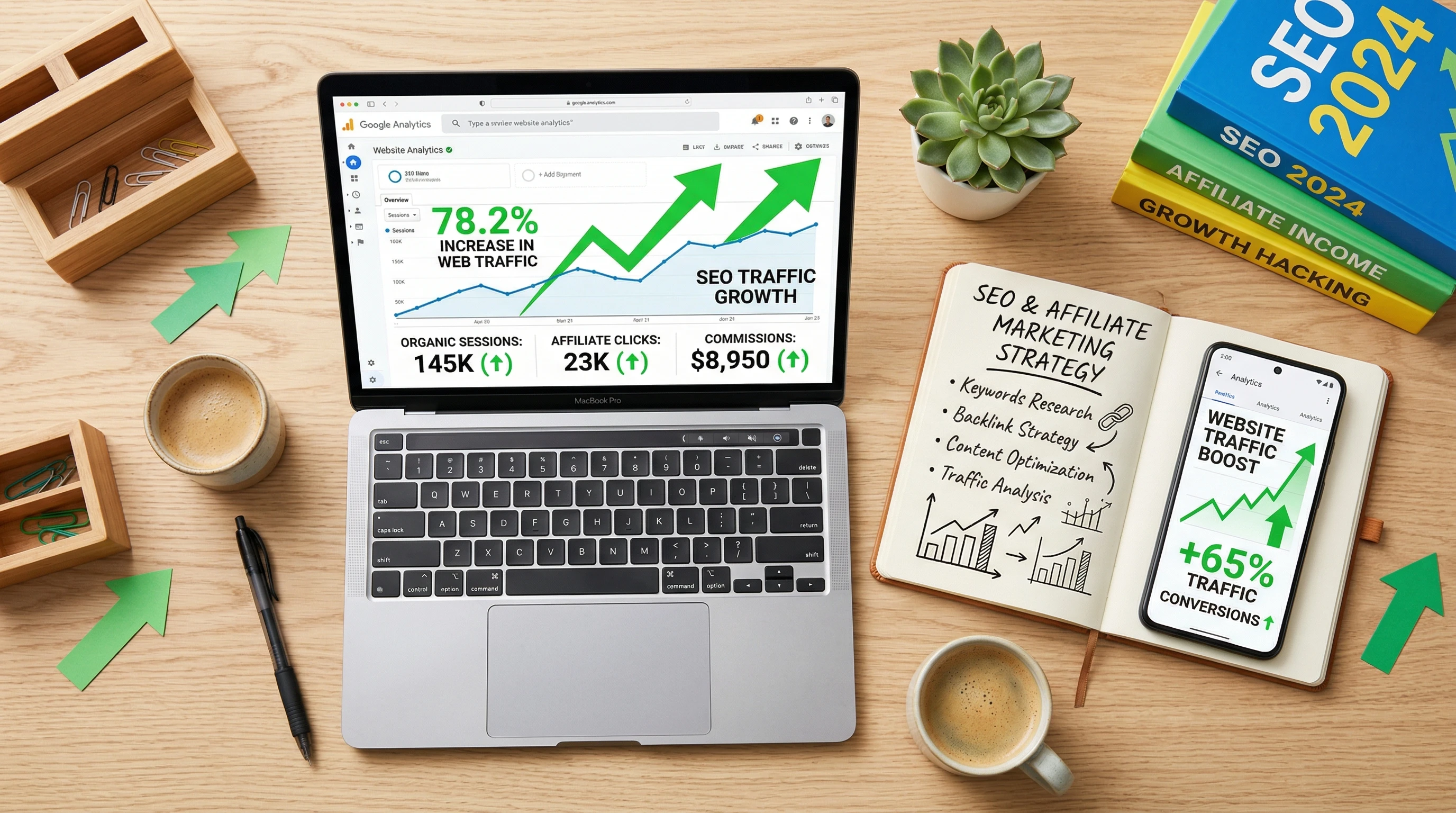
SEO, or search engine optimization, helps your content rank higher in search engines like Google. When your affiliate links are part of well-optimized content, you naturally attract people who are ready to learn, shop, or compare. Relying only on paid ads or social media posts is risky, since they can get expensive or lose steam over time. SEO can keep bringing in visitors for months or even years after you publish a post. This makes it a super useful long-term strategy.
A study from Backlinko found that the top result in Google’s search gets over 27% of clicks, while the tenth result barely gets 2%. By nailing down the basics of SEO and always looking for ways to improve, affiliate marketers get consistent, high-quality traffic to their links, leading straight to more commissions.
Getting Started: The Building Blocks of SEO for Affiliates
The basics of SEO are pretty straightforward, even if there’s a learning curve at the start. Here are the main things I always focus on first when working with affiliate links:
- Keyword Research: Find out what people are actually searching for—things like “best wireless headphones for work” or “review portable air purifier.” Tools like Google’s Keyword Planner or Ubersuggest make this process easier, and you don’t need paid accounts to get started.
- Quality Content: Search engines like detailed, helpful, and easy-to-read articles. Writing honest, well-researched content around your affiliate products boosts rankings and builds trust with your readers.
- Technical SEO: This means making sure your site loads quickly, works well on smartphones, and has a structure that Google can easily read (with sitemaps and clear URLs).
Getting these essentials in place lays the groundwork for everything else. Even if SEO sounds technical, focusing on these basics sets you up for long-term success as an affiliate.
On-Page SEO Tactics for Raising Your Affiliate Link Visibility
I find that some of the most practical SEO improvements happen right on the page. Here’s how I make sure affiliate content shines in both Google’s results and in readers’ eyes:
- Optimize Titles and Headings: Use your target keyword in your page or post title, and add related words naturally throughout subheadings. If you’re writing about coffee makers, H2 tags like “Best Features for Home Brewers” or “Top Budget Picks” help search engines figure out what your review covers.
- Internal Linking: Find ways to link related articles together. If I have a post on “portable blenders” and another on “meal prep tips,” linking them helps both articles perform better. Plus, it keeps people on my site longer, which search engines reward.
- External Linking to Credible Sources: Linking out to trusted websites gives your content more authority and shows Google that you’re part of a reputable network. Linking to official product pages, industry reviews, or government resources can help boost your credibility.
- Alt Text for Images: If you use product images, screenshots, or infographics, writing descriptive alt text gives your SEO a small boost and also improves accessibility.
- Clear, Visible Affiliate Disclosures: Google looks for transparency. Using a simple message like “This post contains affiliate links” keeps you on the right side of both search engines and your readers.
Optimizing these on-page elements isn’t just about search engines; it also creates a smoother experience for your audience, which keeps them coming back for more.
Quick Guide: Steps for Boosting Affiliate Link Traffic With SEO
Putting it all together can seem like a lot, but I use these five steps as a cheat sheet every time I launch a new affiliate-focused post:
- Target The Right Keywords: Focus on phrases that strike a balance between search volume and competition. Longer “niche” or “longtail” keywords are often easier to rank for and bring in a more specific audience.
- Write Genuinely Helpful Content: Share your personal experience with the product if you’ve used it, and answer real questions people might have. Go beyond just listing features—explain the pros, cons, and who the product is good for.
- Format for Skimmers: Short paragraphs, bullet points, and summary boxes are easier to read and boost your chances at getting featured snippets in Google.
- Add Internal Links: Naturally include links to 2–3 related articles or guides within your content. This creates a web of useful info for both readers and search engines.
- Keep Content Updated: Google likes fresh info. I set reminders to check and update my top affiliate posts every few months, adding new data, testing new products, or swapping out outdated links.
Following these steps consistently can gradually give your site the edge and put your affiliate links in front of more people who want to click them.
Things To Think About Before Promoting Affiliate Links With SEO
Pushing affiliate links with SEO comes with a few hurdles that are good to know about early on. Here are the common challenges and my advice on how to handle them:
- Competition: Popular products (like laptops or diet supplements) are going to have a ton of sites trying to rank for the same terms. Try going more specific—think “best laptops for editing YouTube videos” or “ketofriendly protein powder for beginners.”
- Google’s Product Review Updates: Google updates its algorithms often, and now it favors content with first-hand experience and original photos. Whenever I can, I buy the product or at least do hands-on testing, and I add my own pictures or videos. This authenticity pays off with both readers and rankings.
- Compliance With Policies: Each affiliate program and major search engine has its own set of requirements about disclosures, content style, or where links can be placed. Reading these policies helps you avoid getting banned or losing your spot in search results.
- Link Clutter: Packing a review with too many affiliate links can look spammy to both readers and search engines. Limit links to the products you truly recommend and keep your “money” links easy for readers to spot and use.
Competition For Keywords
Ranking for big, generic keywords is tough. Narrowing your focus gives you better odds. Picking up keyword phrases related to specific use cases—like “best drone under $300 for travel” instead of just “best drone”—works out much better for newer sites.
Staying On Top of Updates
Google moves the goalposts all the time when it comes to reviews and product recommendations. Subscribing to SEO blogs or Facebook groups for affiliate marketers will keep you in the loop about what’s working, so you don’t fall behind.
Following Policies
Affiliate networks like Amazon Associates and ShareASale have their own rules for where and how you can use their links. Double-check the rulebook for each program to avoid getting posts taken down or losing out on commissions.
Advanced SEO Strategies For Supercharging Affiliate Traffic
Once the basics are locked in, I like to get into extra tricks that can send affiliate posts higher up the rankings. Some of my favorite power moves include:
Build Backlinks: Reach out to bloggers, write guest posts, or list your content on resource pages. Getting other reputable sites to link back to your guides increases your site’s authority with Google.
Answer Quick Questions: Google often pulls “People Also Ask” content from clear Q&A sections in posts. It’s worth adding a FAQ with genuine, concise answers about the affiliate product, so you can capture this feature and get more traffic.
Schema Markup: Using simple code to add star ratings, prices, and product details can make your listing stand out in search results and get more clicks. You can add review or product schema using website plugins or built-in tools if you use WordPress.
Optimize for Voice Search: People search differently with voice assistants, asking full questions like, “What’s the best air fryer under $100?” Writing in a conversational tone and answering direct questions can help you win these newer types of searches.
Refresh Old Posts: Revisiting older content and adding new info, pictures, or updates keeps posts relevant and may even push them higher in rankings with just a few tweaks. Don’t let your older posts get stale—updating them is an easy win.
Common Questions About SEO & Affiliate Links
People new to SEO affiliate marketing often want the basics before investing serious time or money. Here are some of the questions I hear the most:
Question: How long does SEO take to work for affiliate traffic?
Answer: New posts usually need a couple of weeks to a few months before ranking starts to improve. More established websites tend to see results faster, especially if they already have authority and backlinks built up.
Question: Can I use the same affiliate link multiple times in one post?
Answer: Yes, but only link to genuinely helpful products when it’s relevant. Going overboard with the same link on every line can annoy readers and look spammy to Google, so use common sense.
Question: Do I need to buy every product I review?
Answer: It’s not always practical, but adding personal experience—like sharing your testing process, pros and cons, or unique insights—adds real value. If you’re recommending a product you haven’t used, mention this to keep things straight and build trust with your audience.
Smart SEO Makes Affiliate Links Work Harder
I’ve seen first-hand how tweaking posts for SEO can really turn up traffic and conversions over time. It’s less about gaming the system and more about making your content useful, findable, and trustworthy. The cool part is you don’t need big budgets or fancy tools; just a willingness to learn, test, and keep improving. Investing a little time in SEO techniques pays off big for affiliate links as your site grows and search engines bring more visitors your way.
As you keep building, remember: patience and steady effort win this race. SEO rewards those who stick with it and keep stepping up their game. Good luck putting these tips to work—your traffic (and commissions) will thank you! If you have any questions about what was discussed above I would be happy to discuss in the comments below.