- Affiliate marketing sounds pretty exciting when you’re looking to earn money online. I remember my early days feeling energized but also a little lost because I had no clue what tools actually mattered. After testing out different platforms, plugins, and tracking methods (and wasting time on a few that didn’t work), I’ve landed on a set of tools that honestly make all the difference for new affiliate marketers. This guide covers the essentials I wish I’d known about when I started out, so you’ll be able to launch your first campaign with confidence and avoid frustrating tech headaches.
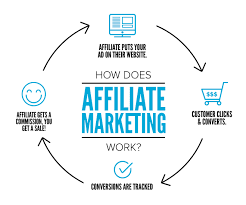
Affiliate Marketing: How the Right Tools Change the Game
- Affiliate marketing has exploded over the last decade. According to Statista, spending on affiliate marketing is expected to top $8 billion in the US alone. Big brands and solo creators use it to generate income streams without having to create products themselves. For beginners, though, the learning curve can feel pretty steep. Having solid tools ready from day one keeps things way less overwhelming.
- New marketers can quickly feel swamped by all the options, from building a website to tracking commissions and juggling social media. My first websites flopped because I picked clunky platforms and tried to track everything by hand. The right tools keep you organized, automate the boring stuff, and actually free you up to focus on your content and strategy.
Starting Strong: Building Your Affiliate Marketing Toolkit
- When I started, I didn’t even realize half these tools existed. Now, I always point new marketers to a few simple categories: a website builder, keyword research tools, link management, analytics, and email marketing platforms. Skimping on any of these can stall your progress before you’ve even really begun.
- Website Builder: Lets you create a professionallooking site or blog, your main headquarters.
- Keyword Research Tool: Helps you figure out what your audience cares about and what topics can actually bring in traffic.
- Link Management: Makes tracking which links convert and keeping your affiliate links tidy super simple.
- Analytics: Breaks down who’s visiting your site and how they interact with your content.
- Email Marketing: Connects you with your audience on your own terms, outside of ever changing social media algorithms.
7-Quick Steps for Your First Affiliate Campaign
- With your tech basics set up, you just need a step by step pathway to set up and launch your first actual campaign. I’ve found that this setup process keeps things smooth and helps you sidestep common rookie mistakes:
- Pick a Niche: Choose one specific topic or product category. Don’t try to promote everything to everyone.
- Sign Up for Programs: Join relevant affiliate programs (Amazon Associates, ShareASale, or niche networks).
- Establish Your Platform: Use WordPress or another site builder to get your site live with essential pages (Home, About, Disclosure).
- Set Up Tracking: Install Google Analytics and a link cloaking plugin to monitor visits and click throughs.
- Create Quality Content: Write product reviews, comparisons, or guides focused on solving your readers’ problems.
- Build an Email List: Use platforms like ConvertKit or MailerLite to gather emails from day one. Early subscribers often become loyal fans.
- Monitor and Optimize: Check your analytics, tweak what isn’t working, and double down on content that brings in traffic or sales.
- This process has saved me a ton of time. It’s really important to stick to the basics first and not get distracted by fancy plugins or tools until you’ve mastered the core workflow above.
Stuff Every New Affiliate Marketer Should Watch Out For
- Affiliate marketing has a lot of moving parts, and there are definitely a few things that can trip people up. I’ve learned the hard way that being mindful of these early on can save tons of frustration later:
- Information Overload: Too many “best tool” lists or guides can be paralyzing. Stick to basics and add new tools slowly as you need them.
- Unreliable Programs: Not every affiliate program pays out reliably or fits your audience. Read reviews and join communities before committing.
- Compliance and Disclosures: You’re required (by the FTC, especially in the US) to clearly disclose affiliate links to readers.
- Broken or Outdated Links: Manually checked links help, but using a link management tool to scan for errors saves time. Nothing’s worse than losing sales to broken URLs!
Website Builder
- A good website builder is where everything starts. WordPress is the most popular because it’s flexible, with plugins for almost any need (including SEO and affiliate link insertions). If you’re not into tinkering, builders like Wix or Squarespace are easier to use but offer less flexibility. Self Hosted solutions (with Bluehost or SiteGround for hosting) are affordable and make scaling up pretty painless.
Keyword Research
- Keyword research tools like Ahrefs and SEMrush can feel overkill for beginners (and a little pricey), but Ubersuggest and Google Keyword Planner do a solid job for free or cheap. A strong keyword list means you’ll actually get visitors, instead of writing posts no one ever finds.
Link Management
- It’s easy to lose track of which links are active, which need updating, or how they’re performing. Plugins like ThirstyAffiliates or Pretty Links help organize, cloak, and monitor your links. The tracking features are pretty handy for pinpointing what gets clicks (or doesn’t).
Analytics
- Google Analytics is pretty much the goto for data on traffic sources, visitor behavior, and conversions. Combining it with Google Search Console gives you insights on how you’re ranking in search, and what keywords people are actually typing in to find you.
Email Marketing
- Email platforms like ConvertKit or MailerLite help you keep in touch with your readers without worrying about changing algorithms or social media trends. Segmenting your audience and setting up simple automations make promoting new posts or offers a breeze.
Handy Tips to Take Up a Notch and Make These Tools Work for You
I picked up a few tricks along the way that make these tools way more powerful. Here are some things I always suggest to someone just starting out:
- Batch Your Tasks:Set aside a specific time each week for keyword research and link monitoring, otherwise it’s easy to lose track.
- Organize Your Content:Use an editorial calendar (Google Calendar works) to keep ideas, deadlines, and launches visible. Trello and Asana work well when you start scaling up.
- Automate Whenever Possible:Automate email onboarding, social sharing, or even basic reporting. Almost every platform has some automation built in, so use it to free up your time.
- Stay Up to Date:Affiliate programs change their commission rates and rules often. Subscribe to affiliate newsletters or join private Facebook groups for program updates and best practices. Affilorama’s free community is super useful for tips from people who’ve been where you are.
- Set Realistic Goals:Don’t expect overnight success. Instead, focus on small wins, learning consistently, and improving your workflow each month. As you use these tools more, you’ll work smarter, not harder.
- Create Value First:Before you add more programs or plugins, make sure your site is genuinely helping visitors. Focus on trust and value—the best tools only help if your content is worth reading.
Why These Tools Make a Big Impact in Real World Affiliate Marketing
The right setup leads to less frustration and better results. Here’s how I’ve personally seen these tools pay off:
- SEO Ready Content: A WordPress blog loaded with SEO friendly plugins consistently attracts new visitors (and sales) with minimal tweaks.
- Trust Building: Reliable email platforms keep readers coming back. One simple weekly newsletter keeps my audience engaged and drives repeat visits.
- Data Backed Decisions: Google Analytics lets me drop what isn’t working and put my energy into the channels and products that actually drive conversions.
- Easy Scaling: Once you’ve got your toolkit in place, adding new offers, expanding to other platforms, or even hiring help doesn’t mean starting from scratch each time.
Frequently Asked Questions
Here are a few common questions I get from people gearing up to get into affiliate marketing:
What’s the most important tool for a new affiliate marketer?
Answer: A solid website builder (like WordPress) really sets you up for everything else. It’s your main hub and lets you grow at your own speed.
Do I need to pay for expensive keyword research tools?
Answer: No, free tools like Google Keyword Planner and Ubersuggest are enough at the start. Premium tools are helpful if you have room in your budget, but not necessary right away.
What happens if an affiliate link breaks or an offer changes?
Answer: That’s why link management plugins are super helpful, they can find and fix broken links so you don’t lose commissions. I always check my dashboard monthly.
Final Thoughts for New Affiliate Marketers
- Getting into affiliate marketing feels a lot easier (and way less stressful) when you focus on the right set of tools. Start with a basic toolkit—website, keyword research, tracking, link management, and email marketing. As you grow, you’ll find the confidence and insights to expand your setup at your own pace, tweak your workflow, and watch your results improve. The tech stuff doesn’t have to be scary; just practical and genuinely helpful for your goals.
- The possibilities with affiliate marketing are honestly bigger than most people realize. When you have the right essentials in place, it’s much easier to stay consistent, track your progress, and actually enjoy the process instead of scrambling to keep up. Keep things simple, focus on quality, and let these tools take care of the heavy lifting as you build your affiliate adventure. If you stay curious, adapt as you go, and put your audience first, affiliate marketing can be a steady and rewarding way to grow online income. If you have any questions about anything discussed above and would like to learn more. I would be happy to discuss it in the comments below.