First Affiliate Marketing Website

If you’ve been eyeing affiliate marketing as a way to make some extra cash online, or maybe build a fullblown business, starting with your own website is a really practical first step. There are tons of tools and tips floating around, so it can feel a little overwhelming at the start. From picking your niche to building your actual site and getting those first commissions, I’ll walk you through what’s actually needed to get your affiliate marketing website off the ground.

A clean desktop setting with a laptop displaying an affiliate marketing dashboard, next to a notepad and coffee mug, surrounded by greenery.

Getting the Basics Down: Why Have Your Own Affiliate Website?

Having your own website in the affiliate world is almost always the way to go if you want more control and better growth potential. A website lets you pick your audience, choose which products you want to promote, and build credibility over time. Affiliate networks and big brands like working with website owners because it signals you’re invested in the game, not just dropping links on social media.

Not long ago, affiliate marketing was mostly about spamming links wherever possible. Now, things have switched up. Google rewards websites with useful content and real value for visitors, so having your own little space online is a smart move.

Choosing a Niche That Actually Makes Sense

I still remember my first attempt at picking a niche. I went way too broad, trying to do tech, travel, and recipes all on one site, and got nowhere. Picking a focused niche makes your website easier to manage, rank, and monetize.

  • Think about interests and expertise: It’s way more fun (and easier) to write about stuff you actually like, whether it’s hiking gear, home coffee setups, or budgeting apps.
  • Check demand: Use tools like Google Trends, Answer the Public, or the search suggestions on Amazon to see if people are regularly looking up your topics.
  • See what’s already out there: Peeking at other sites in your area can give you ideas for the kinds of posts and products that might work for you.

Pick a niche that is specific but not so tiny that you run out of ideas. For example, instead of all “home appliances,” go for “blenders for smoothies” or “affordable air purifiers.” This way your content stands a better chance of reaching people interested in exactly what you offer.

Setting Up Your Domain and Hosting

Getting your domain and hosting sorted is your first real technical step. The domain is what people type to get to your site; hosting is the service that stores your website files and makes your site live.

  • Domain names: Stick to something short, easy to spell, and relevant to your niche. If you’re making a site about meal prepping, something like “mealprepwise.com” is super easy to remember.
  • Website hosting: Tons of affordable hosting companies are beginnerfriendly. Bluehost, SiteGround, and Hostinger are all worth checking out. Most of them have a setup process that’s easy enough to follow, even if you’re new.

Registering the domain and getting hosting usually takes less than half an hour. A lot of hosts will even toss in a free SSL certificate (the padlock icon in browsers), which is important for security and trust. If you’re stuck picking hosts, check reviews on Trustpilot or ask around in online groups; first impressions matter, and reliable support can help you big time if tech issues pop up.

Building Your Affiliate Website: Platform Choices and First Steps

WordPress is hands down the most popular platform for affiliate websites. It’s free, there are tons of themes, and plugins make adding features pretty straightforward. Wix and Squarespace are pretty good too if you want to avoid tinkering with settings or prefer more draganddrop tools.

  • WordPress themes for affiliates: Look for clean, mobileresponsive themes like Astra, GeneratePress, or Kadence. These keep your site fast and looking sharp on phones and desktops alike.
  • Musthave plugins: Yoast SEO (for search optimization), Pretty Links (for managing affiliate links), and WPForms (for simple contact forms) are all super useful. Also think about security plugins like Wordfence to keep your site safe.

Install your theme and a handful of these plugins before adding your first content; a smooth layout and organized site structure will help your early posts shine.

Joining Affiliate Programs and Networks

Affiliate programs connect you to the brands and products you’ll be earning commissions from. There are two main approaches:

  • Affiliate Networks: Sites like Amazon Associates, ShareASale, and CJ Affiliate offer huge product selections with easy signup. These networks work with lots of brands, so you can manage all your commissions in one spot.
  • Direct Programs: Some companies (like Bluehost, Elementor, or specific ecommerce brands) run their own affiliate programs. You usually sign up directly on the company’s website for these.

Most affiliate programs are free to join, but you’ll often need to list your website and maybe get it approved. Don’t let that part intimidate you; most networks just want to see that your site is live and has a couple of real posts. If you get rejected at first, keep building and try again in a month or two.

Creating Content That Converts Visitors to Commissions

Your site needs more than just product links. Helpful, original content keeps people coming back and makes affiliate clicks feel natural, not pushy. I learned early on that a quick copypaste from product pages just doesn’t work—unique and insightful articles perform much better.

  • Write reviews: Share handson experiences, pros and cons, and tips from your own use. Readers love seeing real feedback and sidebyside comparisons.
  • Howto guides: Tutorials that solve problems (“How to brew better coffee at home”) earn trust and usually include natural places to link to products.
  • Bestof lists: Product roundups like “Best camping lanterns for under $50” work for buyers looking for recommendations in one quick stop.

Focus on being honest; only recommend stuff you’d actually use. If you haven’t personally tried something, at least dig up real customer reviews or video demos so your content isn’t just guesswork. Use images or infographics to break up walls of text and help illustrate your points.

Making Sure Your Website is Easy to Find (SEO Basics)

Search engine optimization (SEO) is what makes your website show up when people Google a question or product. Even a little work here can help bring in a lot more visitors over time.

  • Onpage SEO: Use your main keyword (like “best noisecancelling headphones”) in your titles, a few times in your content, and in your page URL. Don’t overdo it, as making things readable is more important.
  • Meta descriptions: Write a short summary for each post. Google often shows these below your link in search results.
  • Linking: Link to other posts on your own site and to trustworthy sources. Internal links keep people exploring, and external links help show you’re legit.

There are free tools like Google Search Console that help you keep track of which keywords are bringing you visitors. Add images with alt text, clear headings, and make sure your site loads quickly for better SEO. Regularly updating old content and removing broken links also gives your rankings a boost.

Common Challenges (And How to Get Past Them)

No affiliate site sails totally smoothly, especially in the beginning. Here are a few issues I’ve run into, plus some tips so you can skip a few headaches:

  • Getting real traffic: In the first few months, site visits might be slow. Keep publishing (aim for at least 15–20 solid posts to start), share your content on social media, and consider answering questions on Reddit or Quora for more exposure. Consistency really pays off here.
  • Staying organized with links: Once you join a handful of programs, it’s easy to lose track of which links earn what. Pretty Links or ThirstyAffiliates help track and cloak your affiliate links so you’re not copypasting clunky URLs everywhere.
  • Dealing with rejections: Sometimes affiliate networks want to see a site with some age and content. If you’re declined at first, just focus on content creation and try applying again.

Getting Your First Affiliate Conversion

The first commission is a big milestone. Focus on highintent keywords (like “best X for Y” or “X vs Y review”). Make your links easy to spot, but don’t crowd your posts with them. One of my best early wins came from a “Best waterproof Bluetooth speakers” post that I shared in a travel group online. The sales came in a few days later, so keep spreading the word about your content wherever it fits naturally.

Keeping Up With Affiliate Policy Changes

Some affiliate programs have strict rules about where and how you can share links. Make sure you check each network’s policies. Amazon, for example, has pretty specific rules about using images and where you can place links, such as not allowing them in email newsletters. Bookmark the policy pages of the programs you join and create a simple spreadsheet as you go; staying organized now saves you trouble later.

How Beginners Succeed: Simple Tips That Work

Building your affiliate marketing website isn’t about hacks or shortcuts, it’s about doing the basics right and sticking with your plan for more than a couple of weeks.

  • Stay consistent: Posting once or twice a week is a good pace for beginners. More isn’t always better, so focus on quality.
  • Update old articles: Revisit guides, reviews, or roundup posts every few months. Outdated posts don’t rank as well, and keeping them fresh gives readers more trust in your recommendations. Fresh stats and links show you’re active.
  • Track your clicks and earnings: Almost every network has builtin dashboards, and there are plugins or spreadsheets you can use to spot which links and posts are working best. Regular checks help you tweak your content and maximize results.

Don’t forget to join relevant online forums, Facebook groups, and Twitter chats. These communities are gold for quick advice, feedback, and sometimes even getting traffic from like-minded folks.

Frequently Asked Questions

Question: How much does it cost to set up an affiliate website?
Answer: My first website cost about $60 for a domain and a year of hosting. If you splurge on a premium theme or plugins, you might spend $100–$200 the first year, but that’s about it.


Question: Do I need tech skills to create this site?
Answer: Not really! Most website builders and hosting services walk you through everything step by step. Tutorials are everywhere, and support chats actually do help if you get stuck.


Question: Can I join affiliate programs without a website?
Answer: Some networks let you use social accounts, but most of the best ones want to see you have a website. Having your own site just gives you more freedom and better earning potential.


Ready to Get Started with Affiliate Marketing?

Setting up your affiliate marketing website is a learning experience, but it’s also a super rewarding way to create an income stream online. Start with a simple domain and hosting, pick a focused niche, and work on posting helpful, honest content. Earning those first few commissions is a great feeling, and from there, things can really grow. Putting in some real effort and learning from mistakes is the best way to stand out in the affiliate marketing world. Happy building! If you have any questions about anything discussed above and would like to learn more, I would be happy to discuss in the comments below.
Every Beginner Should Know

Affiliate marketing can be a pretty powerful way to earn money online, but the whole scene can feel a bit confusing at first, especially with all the unique terms floating around. If you’re just starting out, getting comfortable with the lingo is really important, not just for understanding how things work, but for making smart decisions as you go. In this article, I’ll share the affiliate marketing terms every beginner should know, along with some extra tips and context from my own experience.

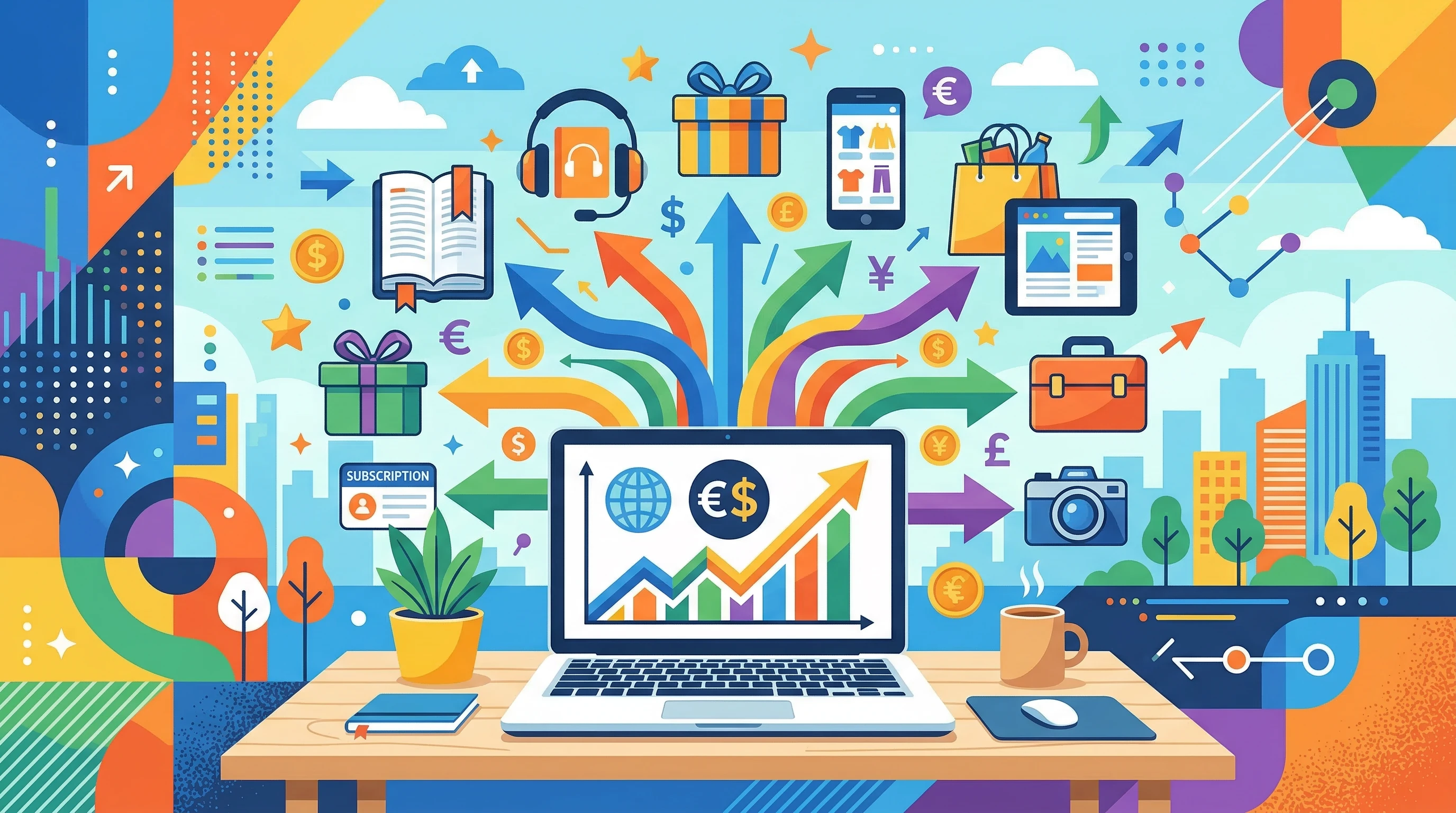
Illustration of affiliate marketing concepts, networks, and conversion paths

Core Affiliate Marketing Terms Explained

Affiliate marketing has its own vocabulary. When I first started, I found all the acronyms and buzzwords a bit overwhelming. But once I learned what they meant, things started making a lot more sense. Here are the key terms you’re likely to run into early on:

  • Affiliate: This is you (if you’re promoting someone else’s products). Affiliates promote brands, products, or services in exchange for a commission on each sale or action they help generate.
  • Merchant (Advertiser): The company or person who creates the product or service. Merchants run affiliate programs and pay commissions for referrals.
  • Affiliate Network: A platform that connects affiliates with merchants. These networks make it easy to track links, get paid, and stumble upon new affiliate programs. Examples include ShareASale, CJ Affiliate, and Rakuten.
  • Publisher: Another word for affiliate. Sometimes you’ll see “publisher” in network dashboards or affiliate agreements.
  • Tracking Link (Affiliate Link): A special URL that tracks clicks, leads, or sales so commissions go to the right person. Clicking these links usually places a cookie in the user’s browser.
  • Cookie: A small bit of code stored in a browser that helps track which affiliate sent the traffic or sale. Cookies typically have a set lifespan, like 30 days.
  • Commission: The amount paid to an affiliate when certain actions (like sales or sign-ups) happen through their links. This can be a flat amount or a percentage.
  • Conversion: When the user performs a desired action (buying, signing up, etc.) after clicking an affiliate link. Conversions trigger commissions.
  • Impressions: The number of times your affiliate ad, link, or banner loads and is seen by a visitor.
  • ClickThrough Rate (CTR): The percentage of people who click your affiliate links versus how many saw them. It’s a popular metric for seeing how effective your promotion is.
  • Landing Page: The page visitors see after clicking your affiliate link. Usually on the merchant’s site, it’s designed to encourage a sale or sign-up.
  • Payout Threshold: The minimum amount you need to earn before the network or merchant sends your payment.

Types of Affiliate Programs and Commission Structures

Affiliate programs aren’t one size fits all. I noticed early on that knowing the difference between the types and how they pay out can help you pick the ones that match your goals best. Here are the most common models:

  • Pay Per Sale (PPS): You earn commission only when your referral results in a sale. Most ecommerce affiliate programs work this way.
  • Pay Per Lead (PPL): Commissions are paid when your referral completes an action other than a purchase, usually filling out a form, signing up for a trial, or requesting a quote.
  • Pay Per Click (PPC): You get paid each time someone clicks your affiliate link, regardless of what happens next. These are less common but do exist.
  • TwoTier Affiliate Programs: You earn a commission not just on your referrals, but also a smaller cut from people you recruit as affiliates.

Commission rates can vary a lot. Physical products usually pay a lower percentage but might convert more easily, while digital products and services sometimes offer higher commissions because their profit margins are bigger.

Getting Started: What You Need to Know and Watch For

When you’re new to affiliate marketing, having a list of basic terms is only part of the puzzle. It also helps to understand the basics of how programs work, plus some classic mistakes to avoid. Here are a few things I found helpful:

  1. Pick a Reliable Affiliate Network: Start with a network that has a good reputation, clear reporting, and fair payout policies. Networks like Amazon Associates and ShareASale are especially beginnerfriendly.
  2. Understand Commission Conditions: Each affiliate program comes with specific terms, minimum payouts, cookie durations, and rules about how you can promote. Careful research helps buyers make informed decisions and keeps you from breaking any rules accidentally.
  3. Watch the Cookie Duration: Cookie length matters. A 30day cookie gives you more time to earn a commission from your referral than a 24hour cookie. Not all cookies work the same, so read the fine print.
  4. Know the Payout Schedule: Payments may be monthly, biweekly, or based on reaching a certain threshold. It’s worth checking how and when you’ll get paid.
  5. Test Different Content Types: Some affiliates have success with review blogs, while others do best with email newsletters or social media posts. Experiment to see what works for your niche and audience.

On top of the basics, it really helps to check forums (like AffiliateFix) or connect with other affiliates in your space. You can learn a lot from the questions and experiences they share. As you grow, networking can set you apart and help you track down new strategies or program changes before they affect your work.

Common Challenges for Beginners, and How to Handle Them

Affiliate marketing can be rewarding, but it’s not always smooth sailing, especially when you’re still learning. Here are a few roadblocks I encountered and what worked for me:

  • Information Overload: There’s a lot to learn at first. Taking small steps and focusing on a few terms or programs at a time really helps.
  • Tough Competition: It can be tough to break in, especially if you’re in a competitive niche. Focusing on a specific audience or unique angle makes a difference.
  • Content Approval and Restrictions: Some programs have strict rules about where and how you can use their links. Make sure to read the guidelines, or ask the network’s support if you’re unsure about something.
  • Slow Earnings: It can take a while before commissions start rolling in. Consistency and patience help. You only need one solid program to start seeing results.

Information Overload

When I jumped in, I kept a small notebook with new terms, questions, and ideas for content. This helped me stay organized and motivated, even when things felt complicated. I’d recommend something similar, or using a note app on your phone. Making it a habit to track progress and jot down what works (and what doesn’t) gives you an edge in figuring things out faster than just winging it.

Content Restrictions

Getting shut out of a program because you broke a rule by accident can set you back. Doublecheck the terms (each program is a little different), and don’t hesitate to reach out to your affiliate manager if you’re confused by the fine print. Programs update their terms every so often, so a quick skim every month or so helps keep you current and safe from mistakes.

Slow Results

Affiliate marketing rewards steady effort. My first commission took months, but once I worked out what my audience liked and trusted, results came in more regularly. If you focus on helping your readers, they’re much more likely to click through and take action. Stepping up your understanding of analytics—tracking clicks and conversions—also helps show where you can tweak your content for better results.

Cool Features That Make Affiliate Marketing Worth Considering

Affiliate marketing comes with a handful of perks, especially as you get familiar with the lingo and networks. Here are a few I found pretty handy:

  • Passive Earning Potential: Once your content is published, affiliate links can generate commissions around the clock. This means that even when you’re not actively online, your content is working for you.
  • Loads of Choices: From physical products to online courses and software, there’s an affiliate program for just about every niche. You can mix in some variety to add value for your audience and keep things interesting for yourself.
  • Low Upfront Costs: Most affiliate networks are free to join, and you can start with just a blog, social channel, or newsletter. There’s no giant investment to get rolling.
  • Room for Creativity: You’re free to use different content strategies, from tutorials and reviews to unboxings and social polls. This keeps the job more eye catching and lets your personality shine through.
  • Scalability: As you grow, you can add to your portfolio by joining multiple programs, reaching larger audiences, and expanding your earning streams. This makes affiliate marketing both flexible and potentially quite lucrative in the long run.

Frequently Asked Questions

Here are a few common questions people have when they’re getting started with affiliate marketing:

Question: How do I know if an affiliate program is trustworthy?
Answer: Look for established networks, read reviews from other affiliates, and check the merchant’s reputation before signing up. A solid track record and prompt payment history are good signs.


Question: What’s the fastest way to earn with affiliate marketing?
Answer: Building an audience that trusts your recommendations is the biggest step. Review products you actually use and give honest feedback. It’s also smart to focus on quality over quantity—strong recommendations carry more weight.


Question: Can I do affiliate marketing without a website?
Answer: Yep, it’s possible with social media, YouTube, or even email lists, but having a website gives you more control and space for longform content. A website also acts as your main hub for all your affiliate links and resources, which can help you grow your brand over time.


Final Thoughts

Knowing the major affiliate marketing terms is a big step for anyone new to this world. Once you understand how things fit together, you’ll be in a much stronger spot to join programs, compare offers, and step up your earning potential. Get comfortable with the terms, keep learning, and stay flexible as you figure out which approach fits you best. Affiliate marketing is an ongoing learning process, but with each click and campaign, you’ll get better at it, and soon you’ll start seeing the results stack up. Ultimately, patience, curiosity, and a willingness to experiment are your best allies on this adventure. If you have any questions about anything discussed above and would like to learn more, I would be happy to discuss in the comments below.

A Beginner’s Guide

Affiliate marketing is one of those things you hear about all over the internet, and for good reason. It’s become a go-to strategy for anyone looking to make money online without having to create a product or handle customer service. If the idea of earning income by recommending tools, gadgets, or courses you already like sounds pretty good, affiliate marketing is worth checking out as a beginner. Here’s everything you need to know to get started and set yourself up for steady growth.

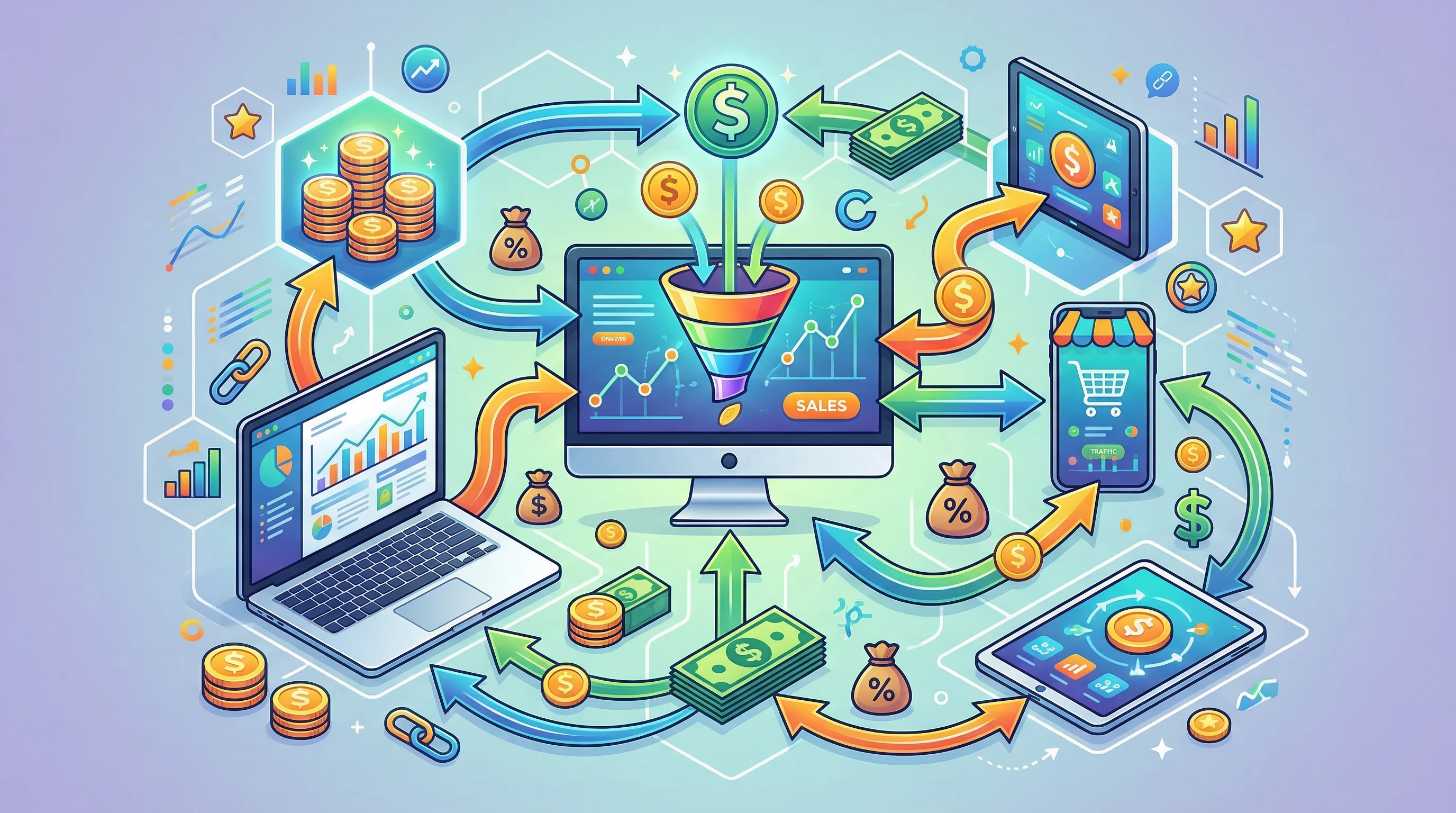
A creative concept image showing a laptop, a flowchart with arrows, and money icons, all representing connections and online earnings, in a colorful illustrative style.

What Is Affiliate Marketing?

Affiliate marketing is a partnership where you (the affiliate) promote someone else’s product or service and get a commission for every sale, or in some cases, every lead or action, that happens because of your efforts. Most of this happens online through unique tracking links that tell the businesses exactly which sale came from you.

Amazon was one of the first big names to use this model, but it’s used everywhere today. From blogging about apps, to YouTube videos about cool kitchen gadgets, to social media posts recommending online courses, affiliate marketing now spans across nearly every niche imaginable.

This system works for all kinds of people: bloggers, influencers, YouTubers, niche website owners, or even folks who just enjoy sharing deals on social platforms. It’s flexible, relatively low cost to start, and can be scaled as you get more experience.

How Does Affiliate Marketing Work?

The mechanics of affiliate marketing are pretty straightforward. Here’s how things usually play out:

  1. Sign Up for an Affiliate Program: You apply to join an affiliate program, usually offered directly by a company or through a platform like Amazon Associates, ShareASale, or CJ Affiliate.
  2. Get Your Unique Tracking Links: Once approved, you get special links that track anyone who clicks and buys as coming from you.
  3. Promote Products or Services: You share these links via websites, blogs, videos, social posts, or emails, wherever your audience hangs out.
  4. Earn Commissions: When someone clicks your link and makes a purchase (or completes the designated action), you get a commission. The rate varies across industries but can be anywhere from a couple of percent to over 50% for some digital products.

Affiliates don’t handle customer service, inventory, or payment processing. Your main job is getting people interested and sending them the right way.

Key Benefits of Affiliate Marketing for Beginners

Affiliate marketing is one of those rare ways to make money online that doesn’t require a warehouse or a huge upfront investment. Here are a few reasons why it’s become so popular with beginners:

  • Low Start Up Costs: You don’t need your own products, and starting a website or social page is fairly inexpensive.
  • No Customer Service: You don’t need to worry about shipping, returns, or payment headaches, the company handles all that.
  • Flexibility: You can work from anywhere and fit affiliate marketing around another job or responsibilities.
  • Scalability: There’s no ceiling. You can promote more products, expand into new topics, or build multiple websites as you go.

This makes it a natural fit for side hustles, stay at home parents, students, freelancers, and really anyone interested in earning online.

Common Affiliate Marketing Terms You’ll See

If you’re new, sometimes the lingo can get confusing. Here are a few terms you’ll run into:

  • Affiliate Link: The special URL assigned to you for tracking sales or leads.
  • Commission: The amount you make per sale, lead, or action.
  • Cookie Duration: How long after someone clicks your link that you get credited for the sale (can range from 24 hours to 90 days or even longer).
  • Conversion Rate: The percentage of people who click your link and end up buying or completing the goal.
  • Affiliate Network: A platform that manages multiple affiliate programs from different companies in one place.

Grabbing a handle on these terms makes moving forward a lot smoother. Understanding them also helps you communicate more confidently with companies, fellow affiliates, and eventually your audience. With the basics in your tool kit, you’re less likely to be tripped up by technical jargon as you grow your affiliate marketing skills.

How to Start Affiliate Marketing as a Beginner

Jumping into affiliate marketing is pretty straightforward, but a bit of planning will help you avoid common missteps. Here’s a step by step approach that works for most people just starting out:

  1. Pick a Niche: Choose a topic you’re interested in. This could be fitness, DIY, tech, parenting, outdoor gear, or nearly anything else. The best niche is usually one with a decent audience and products you actually like.
  2. Choose an Affiliate Platform or Network: Look for companies or networks with good reputations. Amazon Associates is a good place for beginners, but platforms like ShareASale, Rakuten, and CJ Affiliate offer tons of options too.
  3. Set Up Your First Traffic Source: Most people start with a simple blog, YouTube channel, social account, or email newsletter. Don’t try to do everything at once; focus on one channel where you spend the most time or feel most comfortable.
  4. Research Products and Programs: Not all affiliate programs are created equal. Look for solid products, fair commission rates, reliable tracking, and companies that treat affiliates well.
  5. Create Helpful Content: Your content should genuinely help people solve problems, answer questions, or make better choices. Honest reviews, tutorials, product comparisons, and guides usually work best for driving affiliate clicks.
  6. Track Results and Optimize: Use free tools like Google Analytics or the reports from your affiliate platform to see what’s working. Keep testing different types of content and products to find what converts for your audience.

This framework helps new affiliates build a positive reputation and strengthens long-term earning potential. It’s important to remember that patience and consistency matter a lot in affiliate marketing. Your first few months may be slow, but with steady effort, you’ll find what works for your unique setup.

Things to Think About Before Jumping In

While affiliate marketing has a lot going for it, there are some things to be prepared for. Here are a few tips from my own experience:

  • Commission Rates Vary a Lot: Some programs offer small percentages while others pay much more for each sale. Digital products and online courses usually pay higher rates.
  • Building Trust Takes Time: People are more likely to click your links and buy if they trust your recommendations. Avoid jumping into every offer you see. Instead, focus on honest reviews and only promote things you (or people in your audience) would actually use.
  • Not Every Product Sells: Even with lots of effort, some products just don’t convert in your audience or niche. Expect to test and pivot as you go.
  • Stay on Top of Guidelines: Some countries and platforms require you to disclose affiliate relationships. Adding a short notice like “I may earn a commission if you buy through my link” keeps things transparent and builds trust.

Being transparent not only keeps you compliant, but it also builds stronger relationships with your audience in the long run. Think of affiliate marketing as a long game—an honest approach beats quick wins every time.

Factor: Commission Structure

The commission structure of a program has a direct effect on your earnings. Some programs pay per sale, while others pay for leads or clicks. Doing your research helps you decide what works with your goals and content style. For example, if you get lots of clicks but fewer sales, a pay-per-lead model might be more suitable. Always match the structure to your strengths and your audience’s behavior.

Factor: Tracking and Reporting

Reliable tracking means you get credit for your work. Solid affiliate programs offer dashboards where you can monitor clicks, sales, and commissions easily. This info is super useful for figuring out what’s working and what isn’t. Good reporting will save you time and help you spot opportunities to grow.

Factor: Payout Thresholds

Most programs set a minimum amount before they send your earnings. For beginners, lower payout thresholds (like $10 or $20) are helpful for quicker motivation. Double-check payment methods and minimums before signing up—some programs only pay via wire or certain wallets, so look for one that matches your preferences.

Pro Tips for Affiliate Marketing Success

After experimenting with different affiliate programs and platforms, I’ve learned a few things that really make a difference:

  • Focus on Solving Real Problems: Product reviews and “best of” lists are great, but content that zeroes in on a specific pain point or question tends to perform better.
  • Mix Evergreen and Trending Content: Posting about timeless topics (like “how to choose a cordless drill”) builds steady traffic, while hopping on new trends or product releases can attract quick spikes in interest.
  • Revisit and Update Content: Keeping older posts or videos up to date with new products, prices, or insights is one of the best ways to keep your affiliate links converting year round.
  • Join Multiple Programs in Your Niche: This gives you flexibility. If a product becomes unavailable or a program closes, you’re not left empty-handed.
  • Be Patient and Consistent: Affiliate marketing success rarely happens overnight. Regularly publish quality content, engage with your audience, and don’t get discouraged by slow results.
  • Keep Learning: The online world changes fast. Stay curious, jump into new platforms, and learn from other successful affiliates in communities and forums.

By following these tips, you’ll find yourself building a more resilient and rewarding affiliate marketing setup. Consistency and authenticity make all the difference in the long run.

Real-World Examples of Affiliate Marketing

Seeing real examples helps demystify how affiliate marketing looks in action:

  • Bloggers and Review Sites: Many bloggers write in depth product reviews, tutorials, or comparisons that include affiliate links.
  • YouTube Creators: Reviewers and tech creators link to products in video descriptions, making it easy for viewers to find featured items.
  • Social Media Influencers: On platforms like Instagram or TikTok, influencers share affiliate links in their bios, stories, or posts, often for clothing, beauty, or fitness products.
  • Email Newsletters: Some marketers send out curated lists of their favorite gear or books, complete with affiliate links. This is increasingly popular, as it reaches people directly in their inboxes and can lead to higher engagement.

Each of these approaches works for different personalities and comfort levels. Whether you love writing, making videos, or posting on social, affiliate marketing can fit into your style.

Frequently Asked Questions

These are the questions I see all the time from people starting their affiliate marketing adventure:

Question: Do I need a website to start affiliate marketing?
Answer: Having your own website or blog definitely helps, but it’s not the only way. Social media, YouTube channels, email newsletters, and even podcasts can work as starting points. Just choose the outlet that fits your skills and the time you can commit.


Question: How much money can I make with affiliate marketing?
Answer: Income varies a lot. Some people make a few bucks a month, others turn it into full-time businesses. Most beginners see a small trickle at first, then more as their audience and content grow. As you stick with it and fine-tune your approach, there are plenty of opportunities to scale up your earnings.


Question: How do I get people to click my affiliate links?
Answer: Creating genuinely helpful and honest content is key. Sharing personal experience, providing detailed comparisons, or showing how a product solves real problems encourages more clicks. People respond to authenticity, so always put your audience’s needs first.


Getting Started: The Best First Steps

The world of affiliate marketing isn’t reserved for big name influencers or tech pros. Just about anyone can give it a try. Picking a niche you care about, choosing reliable programs, and creating value first content is the recipe I’ve found most rewarding. Over time, small steps build into steady progress and your efforts can start to pay off.

Affiliate marketing continues to open new doors for everyday people to earn from what they know and enjoy sharing. Whether you’re aiming for some extra side cash or building a full scale business, starting out with solid basics puts you in the right spot for long-term success. Stick with it, keep learning, and you’ll soon see the benefits of building your own online income stream.If you have any questions about anything discussed above and would like to learn more, I would be happy to discuss in the comments below.
About Me

Hello everyone! I’m Paul, and I’m thrilled to welcome you to my website dedicated to affiliate marketing. This platform is a labor of love where I channel my passion for helping others into sharing valuable insights about this dynamic industry.

Let’s start with a bit about me. I’m 43 years old and I balance my time between working full-time in security and exploring the thriving world of affiliate marketing. Based in the beautiful city of Cheyenne, Wyoming, USA, I enjoy the best of both worlds – a stable career and an exciting side hustle that connects me with a global community.

Family is a cornerstone of my life. Along with my 2 sisters and 2 brothers, I’ve learned the importance of building strong networks, which completely aligns with the collaborative nature of affiliate marketing.

My main mission here is pretty straightforward: I want to provide accurate and practical information about how affiliate marketing works. Whether you’re just dipping your toes or are a seasoned player, my aim is to give you the tools and knowledge you need to succeed.

I’m driven by a commitment to transparency and community-building. I believe we learn best when we share ideas and experiences, which is why this website isn’t just about me sharing what I know, but also about learning from you.

When I’m not delving into affiliate marketing strategies, I enjoy various hobbies that keep me inspired and grounded. Staying engaged in personal interests helps fuel my dedication to help you better understand the world of affiliate marketing.

So, why affiliate marketing? And how can it transform your approach to online business? In the next section, I’ll be sharing key insights on what makes affiliate marketing an accessible and rewarding avenue for entrepreneurs and explorers alike.

Affiliate Disclosure

In 2015, the Federal Trade Commission released their new rules for Disclosure Compliance. These rules are set in place to ensure that readers or viewers of web media (blogs, Youtube videos, etc.) know if the blogger/presenter is sponsored, endorsed, or partnered with a different company. In blog terms, the readers need to know if the blogger is making money by sharing a link or product.

In compliance with the FTC guidelines, please assume the following about links and posts on this site: Any/all of the links affilnest.com are affiliate links of which I receive a small compensation from sales of certain items.

What are affiliate links?

Purchases are made on external affiliate company websites: When a reader clicks on an affiliate link located on affilnest.com to purchase an item, the reader buys the item from the seller directly (not from affilnest.com). Amazon and/or other companies pay affilnest.com a small commission or other compensation for promoting their website or products through their affiliate program.

Prices are exactly the same for you if your purchase is through an affiliate link or a non-affiliate link. You will not pay more by clicking through to the link.

I use two main types of affiliate programs:

1. Amazon affiliate links.

affilnest.com is a participant in the Amazon Services LLC Associates Program, an affiliate advertising program designed to provide a means for sites to earn advertising fees by advertising and linking to Amazon properties including, but not limited to, amazon.com. Amazon offers a small commission on products sold through their affiliate links.

If a blogger links to an Amazon product (with a special code for affiliates embedded in the link), and a reader places an item in their “shopping cart” through that link within 24 hours of clicking the link, the blogger gets a small percentage of the sale. Amazon links are not “pay per click.” If you click on the product link and stay around Amazon and purchase something else, however, I will get commission on that sale.

Anytime you see a link that looks like astore.com/… or amazon.com… it can be assumed that it is an Amazon affiliate link.

2. Product affiliate links.
These affiliate links work the same way: if you click the link and buy the product, then the blogger gets a percentage of the sale or some other type of compensation. Things like e-book bundles, e-courses, and online packages are usually affiliate links, as well. Again, prices are not different if you use these affiliate links. You will not pay more by clicking through to the link. These links are not “pay per click”, unless otherwise denoted.

What about sponsored content?

I do not write sponsored posts. I want to bring you real, unbiased information. However, if a post is sponsored by a company and it is a paid sponsorship, I will disclose this clearly in the beginning of the post. If you have any questions about anything discussed above and would like to learn more, I would be happy to discuss in the comments below.

Privacy Policy

Who We Are

At [ affilnest.com], we are committed to maintaining the trust and confidence of all visitors to our web site. In particular, we want you to know that [affilnest.com is not in the business of selling, renting or trading email lists with other companies and businesses for marketing purposes.

In this Privacy Policy, we’ve provided detailed information on when and why we collect personal information, how we use it, the limited conditions under which we may disclose it to others, and how we keep it secure.

We take your privacy seriously and take measures to provide all visitors and users of [affilnest.com] with a safe and secure environment.

Cookies

[affilnest.com] may set and access [affilnest.com] cookies on your computer.  Cookies are used to provide our system with the basic information to provide the services you are requesting.  Cookies can be cleared at any time from your internet browser settings.

Google Analytics

When someone visits [affilnest.com] we use a third party service, Google Analytics, to collect standard internet log information and details of visitor behaviour patterns. We do this to track things such as the number of visitors to the various parts of the site and interactions with the site. This information is processed in a way which does not identify anyone. We do not make, and do not allow Google to make, any attempt to find out the identities of visitors to our website.

Website Comments

When someone visits [affilnest.com], there will be an ability to submit comments on particular articles or pages.  When comments are submitted, you are entitled to use aliases or information that completely hides your identity. When a comment is submitted, the relevant details (name, email, website) that you provide are stored.  These details are stored so that we can display your comment back to you, and to anyone viewing the comment sections on the site. We do not verify information entered nor do we require verification.

Third Parties

There may be some circumstances where your IP address, geographic location, and other browser related details may be shared with third party companies.  We may share your above mentioned data with following third party companies from time to time.

Access to Your Personal Information

You are entitled to view, amend, or delete the personal information that we hold. Email your request to our data protection officer [YOUR FIRST NAME] at [EMAIL ADDRESS] and we will work with you to remove any of your personal data we may have.

Changes to Our Privacy Policy

We may make changes to our Privacy Policy in the future, however, the most current version of the policy will govern our processing of your personal data and will always be available to you.

If we make a change to this policy that, in our sole discretion, is material, we will notify you by an update or email, where possible. By continuing to access or use our services, you agree to be bound to the terms of our Privacy Policy.

Affiliate Marketing For Beginners

Affiliate marketing is a pretty accessible way to earn extra income online, as long as you know how to get started. When I first got interested in online business, affiliate marketing’s low cost and flexibility stood out to me. With so many tools and guides out there, getting past the basics is a lot easier than it may seem. Here I’ll walk you through what affiliate marketing is, how it works, and some practical steps to launch your adventure. Whether you’re looking to supplement your income or build a full-time online business, you’ll find some super helpful ideas here.

Understanding Affiliate Marketing For Beginners

Affiliate marketing basically involves promoting products or services for another company and receiving a commission when someone buys through your referral. It’s like being the go-between for brands and customers. As a beginner, you don’t need to create your own products or handle customer service. Instead, you focus on connecting interested buyers with the brands you choose to promote.

Most affiliate programs use tracking links or custom codes to record when your referral leads to a sale. This makes it a win for both you and the company. Brands pay you only when your promotions bring them results, and you earn from your ability to drive interest and sales.

The affiliate marketing industry has grown rapidly, worth over $17 billion in 2023 according to surveys like those from Statista. The rising popularity comes from how simple it is to get started, with entry points for almost anyone willing to learn marketing basics and put in steady effort. These days, more people are choosing affiliate marketing as a flexible way to work from home, set their own schedules, and learn about web tools along the way.

How Affiliate Marketing Works

The workflow for affiliate marketing is actually pretty straightforward. The main steps look something like this:

  • Sign Up For An Affiliate Program: You join a brand’s affiliate program (like Amazon Associates, or direct programs with software companies).
  • Get Your Special Tracking Links: The company provides you with unique links that track referrals from your content or ads.
  • Create and Share Content: You use those links in your blog posts, YouTube videos, emails, or social media posts, recommending the company’s product or service.
  • Earn Commission On Sales: When someone clicks your tracking link and makes a purchase, you receive a commission—either a flat fee or a percentage of the sale, depending on the program.

Some programs pay for leads or clicks, but the classic model pays when a sale occurs. Sometimes companies run special campaigns where affiliates can earn bonuses for driving a certain number of sales or for promoting during a particular season or holiday, providing even more ways to earn.

6-Steps With Getting Started in Affiliate Marketing

Affiliate marketing doesn’t require a big upfront investment, but it does thrive on basic research, honesty, and persistent action. Here’s a solid approach to get yourself off the ground:

  1. Choose a Niche: Pick a subject area—like fitness, technology, cooking, or personal finance—that you actually enjoy and know a bit about. Sticking with a niche you like makes content creation feel less like a chore.
  2. Pick Affiliate Programs: Look for reputable programs within your niche. For example, ShareASale for general goods, Amazon for a massive selection, or specialized companies like Bluehost for web hosting. Read their commission rates, cookie duration, and payment terms before signing up. Taking time to compare programs helps you track down the best deals and highest earnings for your effort.
  3. Start a Platform: Most beginners use a blog, YouTube channel, podcast, or email newsletter. Blogging remains popular because it’s easy to start. WordPress or Squarespace offer simple setups for new bloggers.
  4. Create Helpful Content: Write product reviews, how-to guides, comparisons, or solution-based articles that help people searching for answers. The more value you give, the more likely visitors trust your recommendations. Don’t be afraid to share your personal experiences using the product—readers appreciate honesty and real-life tips, making your content stand out from the rest.
  5. Add Your Affiliate Links: Place your tracking links naturally in your content. Make sure readers understand you may earn from purchases, and be transparent to build trust. Many affiliates include a short disclosure at the top or bottom of their articles to keep things clear.
  6. Promote Your Content: Share your articles or videos on social media, in discussion forums, or with your email list. The more relevant people who see your content, the greater your chances to earn commissions. Try mixing up your channels—Facebook groups, Reddit, Pinterest, and even TikTok offer audiences for just about any niche.

Sticking to ethical recommendations and avoiding anything that sounds too pushy leads to longer-term success. Consistent, quality information shines a light on your expertise and turns first-time readers into loyal followers.

Key Concepts and Vocabulary

If you’re new to the game, you’ll hear some words tossed around that are worth knowing:

  • Affiliate Link: A special URL unique to each affiliate, used to track referrals and sales.
  • Cookies: Small files that store info when someone clicks your link. The “cookie duration” describes how long after a click you can earn commissions if the person buys.
  • Conversion Rate: The percentage of your visitors who complete a purchase via your links.
  • Commission: The money you earn per sale or referral, usually shown as a dollar amount or percent.
  • Disclosure: A simple statement on your page or video telling users you may earn a commission from links. This is required by law in many countries to keep things fair and open.

You’ll run into other terms, such as “EPC” (Earnings Per Click) and “Net Payment Terms,” as you get deeper into it. It’s worth grabbing a notepad or tracking spreadsheet to keep up with these basics, so you won’t get overwhelmed later.

Common Challenges For Beginners (And How To Beat Them)

Nobody gets every detail right on the first try. Here are frequent problems many beginners run into and how I’ve learned to approach them:

  • Choosing a Profitable Niche: Pick something in demand, but not so crowded you can’t compete. Using tools like Google Trends or SEMrush helps find gaps with good search numbers.
  • Cutting Through Competition: Focusing on subniches, such as “plant based meal prep for beginners” instead of just “food,” can help you become the go-to person in that area.
  • Getting Traffic: SEO (search engine optimization) is really important for getting free, long-term website visitors. Regular, high quality content plus basic SEO practices pays off over time. Social media shares can help speed things up early on.
  • Maintaining Trust: Only promote stuff you genuinely like or believe in. Fake reviews usually get caught, and any trust you earned can disappear fast.
  • Understanding Payout Schedules: Some affiliate programs pay monthly, while others might have a minimum payout threshold or longer wait times. Always check payment timing before relying on that income.

Staying Consistent

Most beginners see their first commission after months, not days. Consistency brings results. I found that publishing content weekly—or just sticking with a regular schedule—keeps things moving in the right direction. Don’t let slow beginnings discourage you—each article or video is another step toward steady online earnings.

Pro Tips for Growing as an Affiliate Marketer

Once you’re comfortable, there are simple ways to give your earnings a boost without being aggressive or spammy. Here are some tips that worked for me:

Build an Email List: Collect subscribers using a freebie (like a guide or mini-course). An email list gives you direct access to people who already like your work, so follow-up offers tend to convert better. You can also use email to share seasonal promotions or exclusive deals your audience will love.

Try New Content Types: Testing out videos, infographics, or stepbystep tutorials helps reach a wider audience. Some people prefer watching over reading, and visually rich guides can catch more social media shares.

Optimize for SEO: Good SEO practices such as keyword research, quality internal linking, and fast loading sites do wonders for long-term traffic. This useful Moz beginner SEO guide is worth checking out for foundational tips (Moz Beginner’s SEO Guide).

Track What Works: Most affiliate dashboards show stats on clicks and sales. Google Analytics is also pretty handy for understanding where your visitors come from and which content brings in the most revenue. Regular check-ins help you spot trends and focus your efforts.

Recommended Tools and Resources

Affiliate marketers love tools that save time or give a boost to their efficiency. A few that I keep bookmarked are:

  • WordPress: Userfriendly for launching a blog and adding plugins for SEO, analytics, and forms.
  • Canva: Good for making graphics, banners, and social media images, even if you have zero design skills.
  • Buffer or Hootsuite: Schedule posts across multiple social media accounts with just a few clicks.
  • Google Analytics: Totally free and almost as useful as paid alternatives for beginner tracking needs.
  • Grammarly: Helps keep your writing clean and readable, which builds trust as well.

Real-Life Examples Of Affiliate Marketing Success

The idea that only experts or big influencers can make money with affiliate marketing isn’t accurate. Many bloggers and content creators, myself included, start with very little experience. For instance, I set up my first tech review blog with just a few product comparisons and reviews, and after a couple months, those posts actually resulted in small, regular commissions. Another example: some social media accounts get paid for sharing honest reviews, direct links, or creative unboxings for niche products like hiking gear, planners, or pet care supplies. These small successes often grow over time as your audience expands.

  • Blogging: Niche blogs focused on solving specific questions, such as hiking for beginners or smart home gadget setups, often perform well with affiliate content.
  • YouTube Channels: Product review videos, tutorials, or “favorite products” roundups work for visual learners.
  • Email Newsletters: Weekly recommendations keep regular readers engaged and open to new ideas.

Results aren’t instant, but with steady content and patience, all these methods can work over time. The most important thing is to pick something you’re genuinely passionate about so your work never feels like a grind.

Frequently Asked Questions

Here are a few questions I see often from those starting out:

Question: How much money can you make with affiliate marketing?
Answer: Earnings range from a few bucks to full-time income, depending on your traffic, niche, and how much effort you put in. There’s no guaranteed amount, but there’s real potential with the right strategy. Many people start part-time and grow their earnings as they learn what works best for their audience.


Question: Do I need a website to be an affiliate marketer?
Answer: While having a website really helps with SEO and trust, it’s not required. Social media, YouTube, and podcasts offer plenty of opportunity. Still, websites give you more control over your content and greater flexibility for growth.


Question: Is affiliate marketing legal and legit?
Answer: Yes, as long as you’re honest and disclose your affiliate relationships with readers. Major brands and retailers run their own affiliate programs, and millions participate worldwide. Always stick to the rules and keep your audience’s trust as your top priority.


Getting Started Right

Affiliate marketing for beginners takes patience, research, and consistent action. Start with a niche you care about, pick reputable programs, and focus on sharing genuinely helpful content. Use the free tools out there to make your life easier, and don’t stress if results are slow to start. Building trust and growing an audience does take time, but is super important for achieving long-term success. Jump in, keep learning, and enjoy the process as your online earnings pile up bit by bit. If you have any questions about anything discussed above and would like to learn more, I would be happy to discuss in the comments below.

Categories Uncategorized

The Right Affiliate Program For You

Affiliate marketing can seem like a great way to make some extra income, but picking the right affiliate program is what makes the real difference. There are tons of programs out there, offering everything from physical products to digital services, but not every program is going to fit your style, audience, or goals. I’ve spent plenty of time digging into what makes an affiliate program worthwhile, and in this guide, I’m sharing the process I use to make sure new marketers, just like you, find a program that really feels like a good fit.

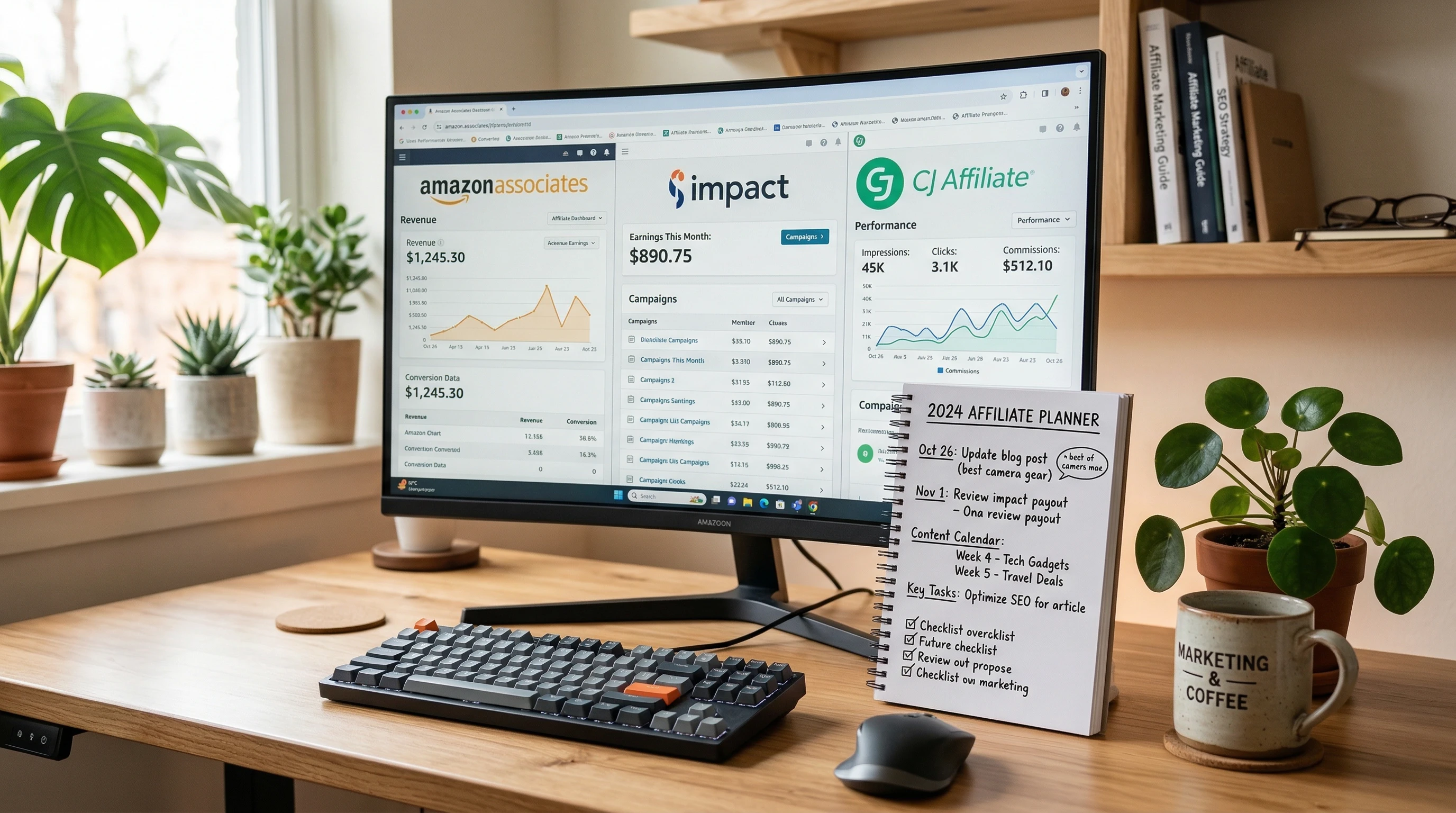
A desktop screen showing affiliate program analytics, a coffee cup, and notepad

Understanding Affiliate Programs: A Quick Overview

Affiliate marketing is all about promoting other people’s products and earning a commission for every sale, lead, or action completed through your unique referral link. The cool thing is you don’t need to create, stock, or ship products. Your job is to connect the right people with the right offer.

Most affiliate programs fall into a few categories:

  • Retail and eCommerce: Amazon Associates and Walmart Affiliates are two popular examples. Great for people with blogs, YouTube channels, or social media focused on products.
  • Digital Products: These range from online courses to downloadable software, like what you find with ClickBank or Udemy’s affiliate program. Commissions here are often higher, but conversion rates might be a bit lower.
  • Service-Based: Think web hosting, VPNs, or financial services. Providers like Bluehost and NordVPN offer ongoing commissions and recurring payouts on subscriptions.

Some programs pay per sale, some by lead, and some on new subscriptions. If you’re curious about how tracking and payment work, most programs use cookies (ranging from one day to 90 days or longer) to monitor who clicks your link and completes an action. Checking the cookie window is super important if you want to make sure you’re getting credit for your referrals.

Getting Started: Questions to Ask Yourself

Before signing up for your first or next affiliate program, there are a few things worth thinking through. I always recommend considering these:

  • What kind of audience do I have (or want to build)? Are they looking for budget deals or premium products?
  • What platforms am I most active on? Certain programs and products convert better on specific platforms like blogs, YouTube, or Instagram.
  • Am I ready to promote products or services I truly believe in? Authenticity is really important. Your audience can tell when you’re promoting stuff just for a commission.

These questions help narrow down where to start looking. There’s no shortage of options, but not every affiliate program will vibe well with your content or your community.

6-Step-by-Step Methods: How to Choose the Right Affiliate Program for You

I’ve broken down the selection process into a series of practical steps. Making informed decisions now can seriously save you headaches (and boost your earnings) down the line. By working through these steps, you’ll have a game plan that lets you grow your affiliate income over time.

  1. Define Your Niche and Audience
    Really understanding who you’re creating content for makes it easier to match affiliate offers to your readers’ or viewers’ interests. For example, if you run a fitness blog, programs for workout equipment, supplements, or health apps are going to be a stronger fit than something unrelated like gardening tools. Take time to figure out exactly who you’re aiming to help, so the offers you choose feel like a natural match.
  2. Compare Commission Rates and Payment Terms
    Payout structures vary widely between programs. Some pay a flat fee per sale, while others offer a percentage. Look at the average order value and expected volume; 10% of a $100 product is quite different from 4% of a $20 item. Also check how and when you get paid (monthly, after a threshold, direct deposit, PayPal, or check). Keeping track of these will keep your expectations practical and help with planning income.
  3. Check Cookie Duration
    Cookie windows matter! If visitors typically wait a few days before buying, longer cookie durations (30+ days) work better. Short windows (24-48 hours) are fine for impulse or low-cost purchases, but can limit earnings on items that require more thought. Remember to factor in your audience’s buying habits, as this directly affects your commission.
  4. Look at the Offer’s Quality and Reputation
    Programs with lots of customer complaints or a sketchy reputation can risk your audience’s trust. Always look for programs with solid reviews and transparent terms. Spend a little time checking review sites or online discussions to see what others have to say.
  5. Assess Support, Tools, and Resources
    Some affiliate programs make things really easy. Look for programs offering creative banners, keyword suggestions, tracking dashboards, and responsive affiliate managers. These extras can help you succeed faster. The better the tools, the more time you’ll save getting your promotions live and tracking results.
  6. Start Small and Test Results
    Don’t try to promote everything at once. Test a few related products or services, track results, and see what performs before adding more offers or applying for additional programs. This way, you’ll catch early wins and avoid overload or loss of focus.

Following these steps lets you take an allinone approach to picking the best affiliate programs for your needs, rather than just jumping at the first opportunity.

Common Mistakes to Avoid

I learned the hard way that not all affiliate programs are designed with your best interests in mind. Here are a few pitfalls to watch out for:

  • Chasing High Commissions Only: Super high payouts can be tempting, but if the product’s a tough sell or feels sketchy, it’s usually more hassle than it’s worth.
  • Ignoring Terms and Conditions: Each program has rules about advertising, promotions, and payouts. Breaking them could mean lost commissions, so give them a read before promoting anything to avoid issues down the road.
  • Signing Up for Too Many Programs at Once: Focus on a handful of strong, relevant programs at first. Managing dozens becomes confusing quickly and can dilute your impact.
  • Overlooking Audience Needs: If you recommend things your readers aren’t interested in, you risk losing credibility and conversions. Spend time getting to know what really resonates with your followers and keep their interests front and center.

Tips for Maximizing Affiliate Success

There are simple actions you can take to get more from your affiliate marketing adventure:

Focus on Honest Reviews: Share personal experience or thorough research on products you promote. I notice readers respond well to authenticity and actual use stories; it makes your recommendations more trustworthy.

Use Multiple Platforms: Many programs let you promote on more than one channel. Try adding links to blogs, video reviews, email newsletters, and even your social media profiles for a wider reach.

Track Results: Don’t just set it and forget it. Use analytics to monitor which offers and platforms perform best so you can double down on what works and drop what doesn’t.

Keep Learning: The top affiliate marketers I know stay up to speed with trends, new tools, and updated program offers. Forums, webinars, and affiliate program blogs are great places to track down new strategies and tips.

Engage With Your Audience: Ask your audience what products or services they actually want to know about. Their feedback helps you choose programs that solve real needs and boost your results.

Real-World Examples: Matching the Right Program With the Right Audience

When I first got started, I wasted time on programs that looked good on paper but didn’t connect with my audience. Now, I always look for this kind of fit:

  • Technology Blogger: Works well with software, web hosting, and gadget affiliate programs. Their readers want reviews, comparisons, and tutorials to help with buying decisions.
  • Food or Recipe Content Creator: Makes sense to partner with kitchenware retailers, meal delivery services, or specialty ingredients where readers want helpful tools or tasty new products.
  • Travel Vlogger: Can try affiliate programs for travel gear, booking platforms, insurance, or local tours. Their viewers look for gear recommendations or local insider deals to smooth the way on future trips.

Matching your affiliate deals to your niche means you’re helping people solve problems they actually have, rather than pushing products no one cares about. Focusing on solutions makes your content more valuable and keeps your followers coming back for advice and ideas.

Frequently Asked Questions

Here are some things people often ask me about affiliate programs:

Question: How do I know if an affiliate program is legitimate?
Answer:Look for established networks (like ShareASale, CJ Affiliate, or Amazon), check reviews, and see if they publicly list payment histories or testimonials from real affiliates. If the terms sound too good to be true, or the site looks unprofessional, I usually steer clear.


Question: What kinds of affiliate programs pay the best?
Answer:Generally, digital products and subscription services offer the highest commissions, but they can also be harder to sell. Physical products (like Amazon or eBay) pay lower per sale, but the scale can make up for it if your audience is big.


Question: How long does it take to get paid from most affiliate programs?
Answer:Every program is different. Some pay monthly, but there’s usually a waiting period so refunds can process (typically 30–60 days). Check each program’s payment policy to avoid surprises.


Key Takeaways: Getting Started the Smart Way

Finding the right affiliate program makes a huge impact on your earnings and your reputation. My advice is to work with programs that fit your content and audience, check those payment and cookie details, and don’t be afraid to test offers until you find what clicks. The right match makes affiliate marketing both enjoyable and rewarding for you and your audience.

Start small, stay authentic, and you’ll find programs that actually help your community while earning you commissions over time. Good luck with your search; stick with it, and affiliate marketing can become a well-earned source of ongoing income for years to come!

If you have any questions about anything discussed above and would like to learn more, I would be happy to discuss in the comments below.

Welcome to Your “Premium” Website!

Welcome to your Premium Level Website!

YES! You’ve done it. Your new website is up and running, and this is the platform from where you’re going to launch and build out your online business venture.

Wealthy Affiliate is no ordinary platform. Here, we strive to turn YOU into our next success story. We equip you with the tools, the skills, and most importantly, the mindset you’ll need to thrive in the challenging yet rewarding world of affiliate marketing.

Now, let’s talk about your new website. 

This isn’t just a website. It’s your “ticket” to a world filled with possibilities. No matter what niche you choose for this website, it is the launchpad for your passion, your ideas, and your business aspirations.  

It is the platform where you are going to be able to help people, to engage with your audience, and ultimately to generate revenue through many different business models. 

Remember, your journey doesn’t stop here…this is really just the start of the fun.

The 4-Steps to Success with Your Wealthy Affiliate Website

The first thing we want to do is break down a success strategy into a digestible, effective path.  People tend to “overthink” the process, which actually leads to less success, not more. 

So here are the four, simple steps that you are going to be learning within the initial “core training” at Wealthy Affiliate to turn you raw website into a profitable venture. 

  • Step One: Choose Your Niche (DONE).  Decision time. Think about what you love, what interests you, and what you can help others learn or discover. Your niche is the corner of the internet where you’ll thrive. It’s the special flavor that sets your site apart from the crowd. You have already chosen your niche, but know that your niche can be changed at any point, and through time you are likely going to be involved in many different niches online!
  • Step Two: Build and Rank Content. This is where the magic happens. Your focus as you build your website is going to be helping your audience, sharing stories, and creating engaging content. This is where ranking comes into play. It’s all about making your content easy for search engines to find and love. So roll up your sleeves and get ready to learn the latest SEO strategies with Wealthy Affiliate (and use the tools within your membership to help you with that).
  • Step Three: Get Traffic. The next stop, traffic. The more visitors you have to your site, the better. It’s simple math. Increased site traffic equals increased visibility, which equals increased potential for profit. As your website starts to rank in search engines, and as you start to implement social media strategies taught here at WA, you are going to see your traffic start to take off.
  • Step Four: Make Money. The moment we’ve all been waiting for – PROFIT. This is where you’ll be adding affiliate links to your website, and start earning money every time a purchase is made through these links. Here’s an example: visit: https://www.wealthyaffiliate.com?a_aid=YOURID …and see how you can incorporate such links to monetize your site. You are automatically approved for the affiliate program here at WA, and you can share that affiliate link at any time and earn recurring revenue when someone joins and upgrades.  There are people here within the community earning 6 figures simply sharing their WA affiliate link on their websites. 

Step by step, we’ll be growing together on this journey. So keep pushing forward, keep learning, and remember – your success is our success. As you move through the core training and working within your Business Hub, you will be guided through this process and building out your website with success in mind.

The Power Wealthy Affiliate for YOUR Business Efficiency

More efficiency leads to more productivity.  More productivity leads to more opportunity.  That is the focus of our training, and our technology, and the platforms that you have available to you within WA. 

You are unlocking “ultra efficiency” by harnessing the Business Hubs platform at Wealthy Affiliate. This is your key to managing and expanding your business with ease and proficiency. The platform’s seamless navigation and intuitive interfaces unleash a new level of control as well as flexibility.

Your Wealthy Affiliate website is backed by our state of the art, “in house” Managed WordPress Hosting.  We lead the industry leader in speed, security, and reliability. The platform’s sophisticated technologies guarantee your website’s performance. NO space for lag, error, or threat!

You now have access to an array of over 5,000+ theme designs and 60,000 plugin theme extensions await you…not to mention key to the community, platforms, and mentorship within WA. 

As an added bonus, you get a FREE domain (and TWO free domains with Premium Plus+) upon upgrading, so you can now get your website over to your own brand (if it isn’t already). Remember, have a domain on your own brand, allows you to start to rank in search engines like Google. Also, all affiliate programs now require you to have your own domain for approval.  So it is requisite for making money online.  

Your journey at Wealthy Affiliate doesn’t or with your brand doesn’t stop here. It’s JUST THE BEGINNING.  It is a breeding ground for a long-term and very successful online business!